
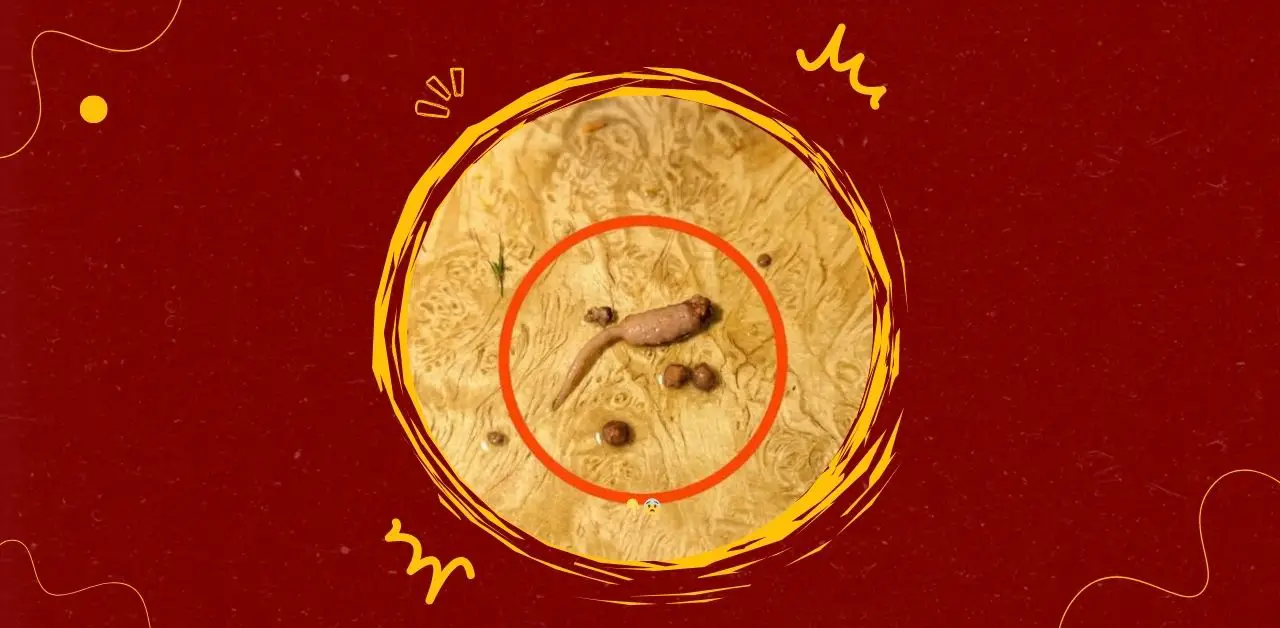
Ground beef is one of the most commonly used ingredients in kitchens worldwide. It is versatile, affordable, and forms the base of countless recipes. Yet, occasionally, home cooks encounter something unusual in their pan—an object that doesn’t look like beef. Such discoveries can be unsettling, raising questions about food safety, processing practices, and what steps to take next.
Why Strange Objects Appear in Ground Beef
Ground beef is produced by grinding cuts of beef together, often from different parts of the animal. During this process, foreign materials or natural tissues may occasionally appear. Common possibilities include:
- Connective Tissue or Cartilage: Small, firm pieces that don’t resemble typical beef.
- Bone Fragments: Tiny, hard shards that can slip through processing equipment.
- Organ Residue: Unusual textures or shapes sometimes result from nearby tissues.
- Processing Debris: Rarely, packaging materials or machine fragments may end up in the product.
Identifying What You Found
When you encounter something odd, consider the following characteristics:
- Texture: Is it hard, rubbery, or soft?
- Color: Does it match beef tones, or is it pale, dark, or unusual?
- Shape: Does it resemble tissue, pellet-like nodules, or foreign material?
These clues can help distinguish between natural animal tissue and actual contamination.
Food Safety Concerns
While most unusual findings are harmless connective tissue or bone fragments, food safety should always be prioritized. Potential risks include:
- Choking Hazard: Hard fragments can be dangerous if consumed.
- Contamination Risk: Non-meat materials may indicate lapses in processing.
- Digestive Discomfort: Certain tissues may be harder to digest.
What To Do If You Find Something Strange
- Stop Cooking and Inspect: Remove the object and examine it carefully.
- Do Not Consume: Avoid eating the questionable piece.
- Save the Evidence: Keep the object and packaging for reference.
- Contact the Store or Brand: Report the issue to the retailer or manufacturer.
- Consider Food Safety Authorities: If contamination seems serious, notify local food safety agencies.
Preventive Measures at Home
- Buy from Trusted Sources: Choose reputable butchers or brands.
- Inspect Before Cooking: Break apart ground beef before adding to the pan.
- Cook Thoroughly: Proper cooking reduces bacterial risks, even if odd tissue is present.
- Store Properly: Refrigerate or freeze promptly to avoid spoilage.
Conclusion
Finding a strange object in ground beef can be alarming, but it is not uncommon. Most cases involve natural tissues like cartilage or bone fragments rather than harmful contamination. Still, caution is wise—inspect carefully, avoid consumption of questionable pieces, and report concerns to the supplier. By staying vigilant, home cooks can continue to enjoy ground beef dishes with confidence and peace of mind.