
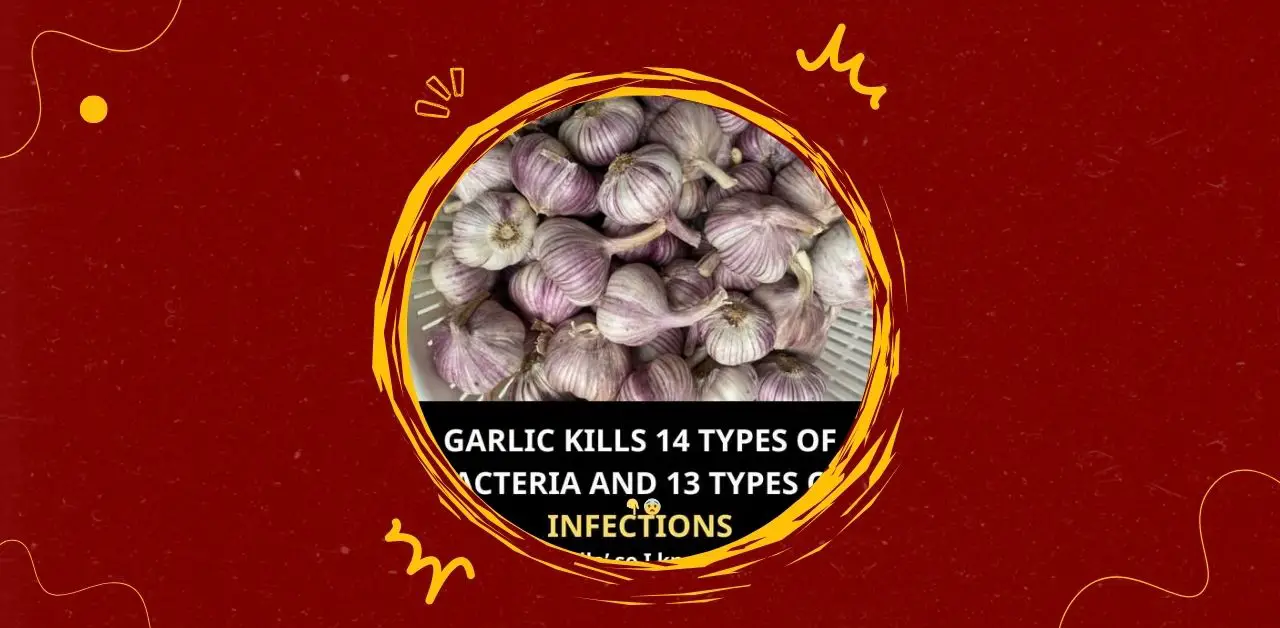
Garlic has been valued for centuries as both a culinary treasure and a natural remedy. Ancient civilizations used it to strengthen the body, ward off illness, and promote vitality. Today, garlic continues to attract attention for its remarkable compounds, especially allicin, which is released when garlic is crushed or chopped. This compound is believed to contribute to garlic’s antibacterial and infection-fighting properties.
The Power of Garlic Compounds
When garlic cloves are broken, they release sulfur-containing compounds that give garlic its distinctive aroma and therapeutic potential. Allicin, the most studied compound, is associated with antibacterial activity and may help inhibit the growth of certain bacteria. Garlic also contains antioxidants that support overall health by reducing oxidative stress.
Garlic and Bacteria
Traditional remedies highlight garlic’s ability to combat harmful microorganisms. Historical accounts suggest garlic was used to cleanse wounds, protect against infections, and preserve food. The claim that garlic can act against multiple types of bacteria reflects its broad-spectrum potential. While scientific studies continue to explore these effects, garlic remains a respected ingredient in natural wellness practices.
Garlic and Infections
Garlic has long been associated with supporting the body during times of illness. Folk medicine traditions describe garlic as a helper against respiratory infections, digestive disturbances, and skin irritations. Its warming nature and strong aroma were believed to drive away harmful influences. Though modern medicine relies on antibiotics and clinical treatments, garlic still holds a place as a supportive food that may help strengthen resilience.
Ways to Use Garlic in Daily Life
- Raw Consumption: Eating raw garlic maximizes allicin release. Many traditions recommend chewing a clove daily for general wellness.
- Cooking: Garlic adds depth to soups, stews, and stir-fries. Though cooking reduces allicin, it still provides beneficial compounds and flavor.
- Infusions: Garlic can be steeped in oil or vinegar to create flavorful bases that may carry some of its properties.
- Topical Uses: In folk remedies, garlic was sometimes applied externally, though this should be done cautiously to avoid skin irritation.
Practical Benefits Beyond Health
Garlic’s antibacterial qualities have also been valued in food preservation. Before refrigeration, garlic was used to help keep foods fresh longer. Its strong aroma and taste also make it a natural deterrent against pests.
Caution and Balance
While garlic is celebrated for its potential, it should be consumed in moderation. Excessive raw garlic can cause digestive discomfort, and topical use may irritate the skin. Garlic should be seen as a supportive food, not a replacement for professional medical care.
Conclusion
Garlic stands as a symbol of nature’s ability to provide both nourishment and protection. Its reputation as a fighter against bacteria and infections reflects centuries of human experience and observation. Whether enjoyed raw, cooked, or infused, garlic continues to enrich meals and inspire wellness practices. In every clove lies a reminder that simple, natural foods can carry profound benefits for the body and spirit.