
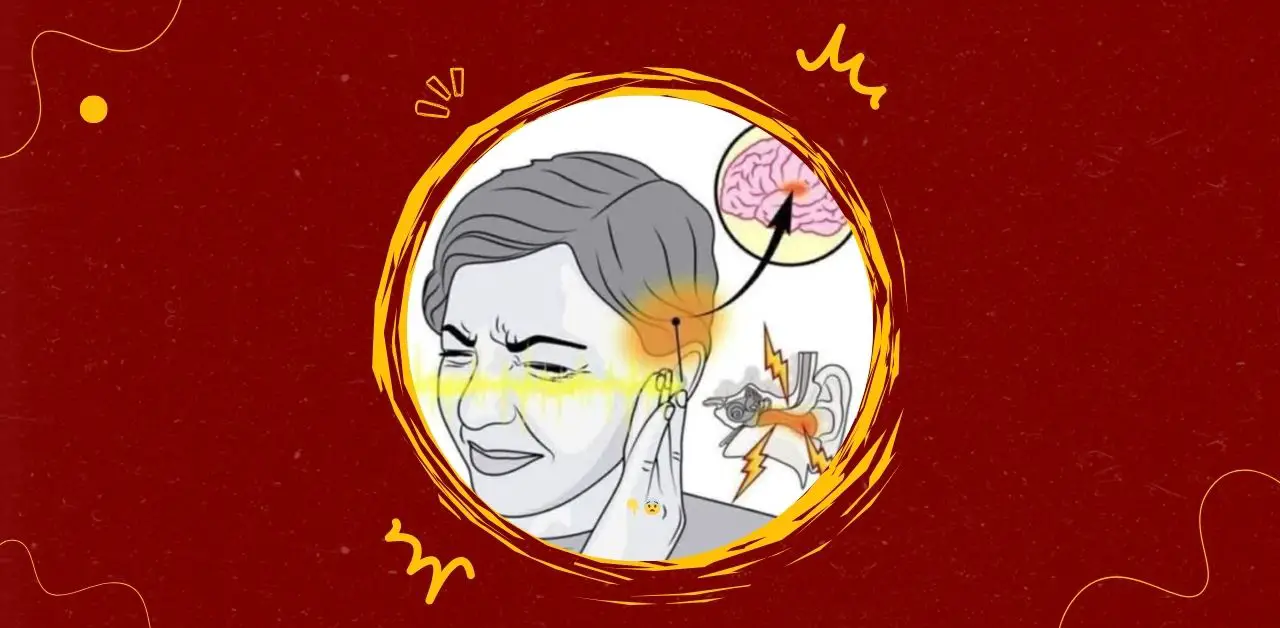
Hearing ringing in your ears (tinnitus) is not a disease itself but a symptom of underlying conditions such as hearing loss, ear injury, circulatory problems, or other health issues. It can affect concentration, sleep, and emotional well-being if left unmanaged.
What Is Tinnitus?
- Tinnitus refers to the perception of sound (ringing, buzzing, hissing, clicking, or roaring) in one or both ears without an external source.
- It affects 15–20% of people worldwide, with higher prevalence in older adults.
Common Causes
- Age-related hearing loss: Damage to delicate inner ear hair cells reduces sound input, leading to phantom noises.
- Noise exposure: Loud concerts, machinery, or firearms can cause permanent hearing damage.
- Ear conditions: Earwax buildup, infections, or fluid blockages.
- Head/neck injuries: Trauma affecting auditory nerves or brain pathways.
- Medications: Certain antibiotics, antidepressants, NSAIDs, cancer drugs, and diuretics may trigger tinnitus.
Less Common Causes
- Meniere’s disease: Inner ear fluid imbalance.
- TMJ disorders: Jaw joint problems can radiate sound sensations.
- Otosclerosis: Abnormal bone growth in the middle ear.
- Blood vessel disorders: High blood pressure or vascular malformations can cause pulsatile tinnitus (ringing in sync with heartbeat).
- Neurological conditions: Multiple sclerosis or acoustic neuroma (benign tumor on hearing nerve).
Risk Factors
- Loud noise exposure (construction, music, firearms).
- Age (nerve fiber decline).
- Sex (men more prone).
- Lifestyle: Smoking and alcohol increase risk.
- Health conditions: Obesity, cardiovascular disease, arthritis, diabetes, thyroid problems.
Possible Complications
Untreated tinnitus can lead to:
- Sleep problems
- Difficulty concentrating
- Memory issues
- Depression and anxiety
- Irritability and stress
- Reduced work and social performance
Management & Treatment
- Address underlying cause: Treat infections, remove earwax, adjust medications.
- Sound therapy: White noise machines, fans, or apps to mask ringing.
- Hearing aids: Improve hearing and reduce tinnitus perception.
- Tinnitus retraining therapy (TRT): Combines counseling with sound therapy.
- Lifestyle changes: Reduce caffeine, salt, and stress; improve sleep hygiene.
Prevention
- Protect your ears: Use earplugs in noisy environments.
- Keep music volume low when using headphones.
- Limit exposure to loud concerts, machinery, or firearms.
Key Takeaway
Ringing in the ears is a warning sign of hearing or health issues, not something to ignore. While tinnitus itself doesn’t shorten life expectancy, its underlying causes—like cardiovascular disease or neurological disorders—can be serious. Early evaluation by a healthcare provider is essential for proper management and improved quality of life.