
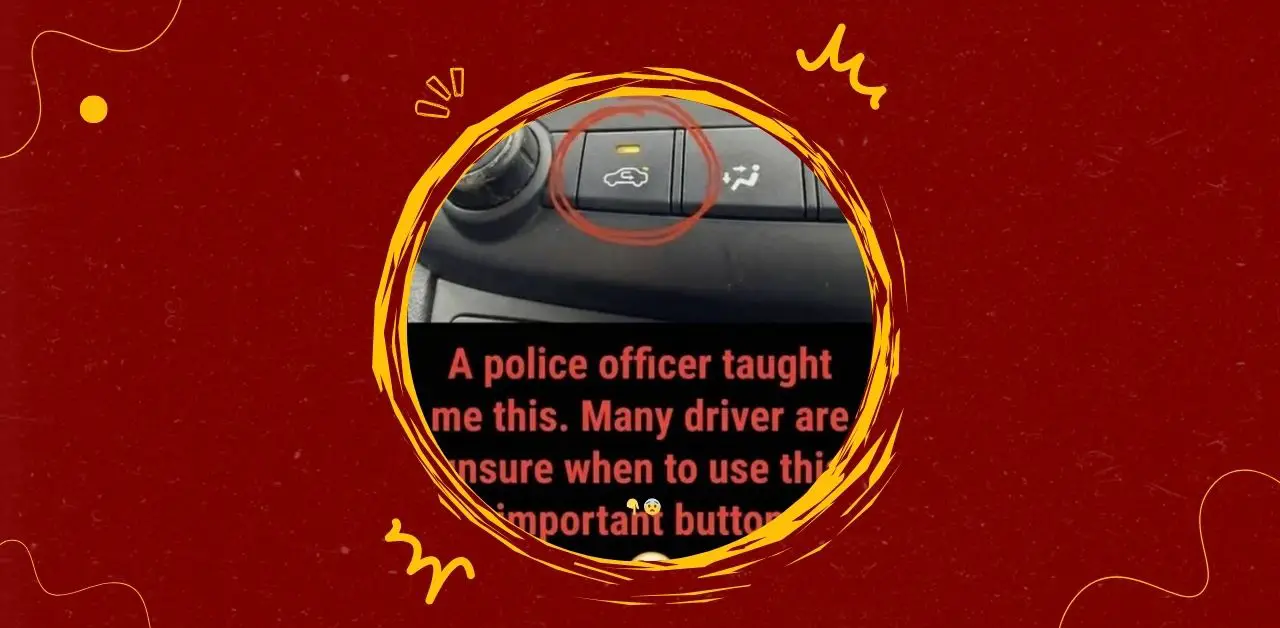
On most car dashboards, there’s a button with a car icon and a circular arrow inside. Many drivers assume it’s decorative or rarely needed, but in reality, this is the air recirculation button, and knowing how to use it properly can improve comfort, safety, and even fuel efficiency.
What the Button Does
- Recirculates Cabin Air: Instead of pulling in fresh air from outside, the system reuses the air already inside the car.
- Blocks Outside Pollutants: Helps prevent dust, smoke, and exhaust fumes from entering the cabin.
- Improves Cooling Efficiency: When the AC is on, recirculating cooler cabin air reduces strain on the system.
When to Use It
- Heavy Traffic or Pollution: If you’re stuck behind vehicles emitting exhaust, recirculation keeps harmful fumes out.
- Hot Weather: Using recirculation with AC cools the car faster and keeps it cooler longer.
- Dusty or Smoky Conditions: Driving through construction zones, wildfires, or dusty roads is safer with recirculation on.
When Not to Use It
- Foggy Windows: Recirculation can trap moisture inside, causing windows to fog. Switch to fresh air mode to clear them.
- Long Drives: Continuous use without fresh air can reduce oxygen levels and make passengers drowsy.
- Cold Weather: Fresh air helps balance humidity and prevents condensation inside the car.
Benefits of Proper Use
- Healthier Cabin Air: Limits exposure to pollutants and allergens.
- Energy Efficiency: Reduces workload on the AC, saving fuel.
- Comfort: Keeps the cabin cooler in summer and cleaner in polluted environments.
Tips for Drivers
- Alternate between recirculation and fresh air modes during long trips.
- Use recirculation strategically—short bursts in traffic or extreme heat, not continuously.
- Pair with regular cabin filter maintenance to maximize air quality.
Conclusion
The air recirculation button is far from decorative—it’s a smart feature designed to protect passengers and improve driving comfort. By understanding when to use it and when to switch it off, drivers can enjoy cleaner air, better cooling, and safer journeys.