
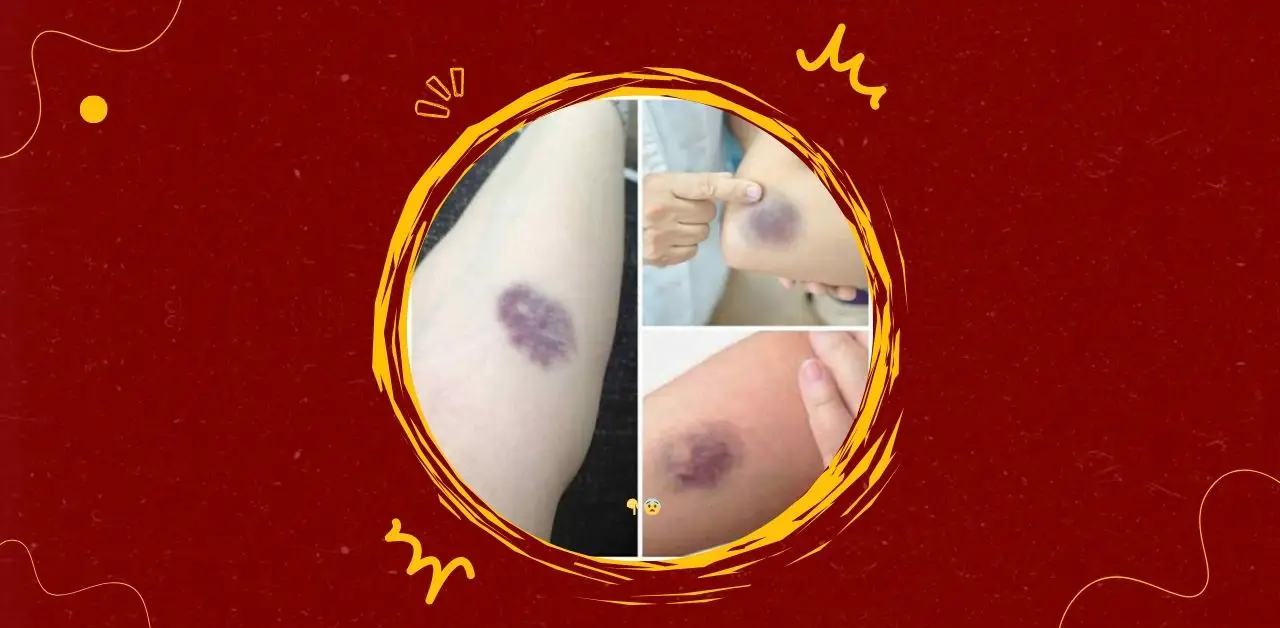
Bruises are one of the most common minor injuries, yet they often raise questions about what is happening beneath the skin. A bruise, medically known as a contusion, occurs when small blood vessels break under the skin due to trauma, allowing blood to leak into surrounding tissues. The result is the familiar discoloration that changes from red to purple, blue, green, and yellow as the body heals.
Common Causes of Bruising
- Physical Trauma: Bumps, falls, or impacts are the most frequent causes.
- Sports and Exercise: Intense physical activity can strain muscles and lead to bruising.
- Medications: Blood thinners, aspirin, and certain steroids increase susceptibility.
- Aging: Older adults bruise more easily due to thinner skin and fragile blood vessels.
- Medical Conditions: Disorders affecting clotting, such as hemophilia or low platelet counts, can cause frequent bruising.
What Bruises Reveal
- Color Changes: The progression of color reflects the breakdown of hemoglobin in the blood.
- Location Matters: Bruises on shins and arms are common, but unexplained bruises on the torso may warrant medical attention.
- Frequency: Occasional bruises are normal, but frequent or severe bruising can signal an underlying health issue.
When to Seek Medical Help
- Bruises that appear without any clear cause
- Excessive pain, swelling, or difficulty moving the affected area
- Bruises accompanied by nosebleeds, gum bleeding, or prolonged bleeding from cuts
- Large, painful bruises that do not improve within two weeks
Care and Management
- Cold Compress: Applying ice within the first 24 hours reduces swelling and bleeding.
- Elevation: Raising the bruised area helps minimize blood flow and swelling.
- Rest: Allowing the body time to heal prevents further injury.
- Warm Compress: After 48 hours, gentle heat can improve circulation and speed recovery.
- Healthy Diet: Vitamin C and K support blood vessel health and clotting.
Conclusion
Bruises are usually harmless signs of everyday bumps and knocks, but they can also be a clear signal of underlying health issues when they occur frequently or without explanation. Paying attention to their appearance, frequency, and healing process helps distinguish between normal bruising and conditions that require medical care. With proper self-care and awareness, most bruises heal naturally, leaving only a reminder of the body’s resilience.