
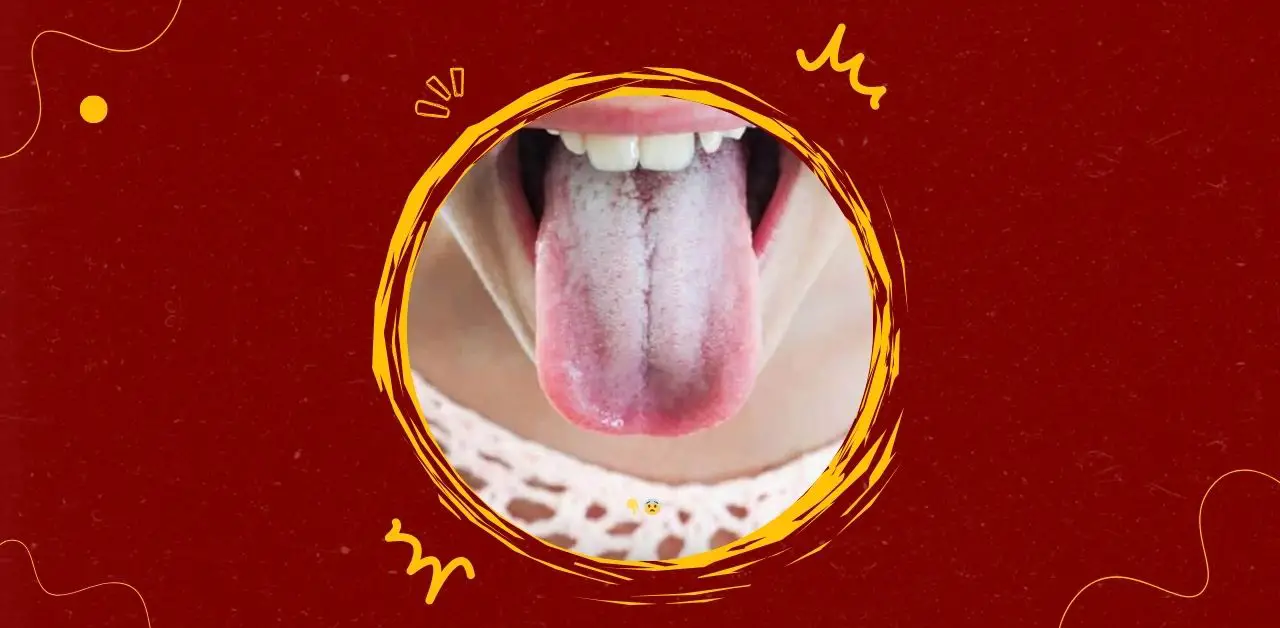
A white coating on the tongue is usually harmless and temporary, often linked to poor oral hygiene, dehydration, or minor infections, but it can sometimes signal more serious conditions like oral thrush, leukoplakia, or lichen planus. If it persists for more than two weeks, causes pain, or interferes with eating and speaking, medical evaluation is recommended.
Common Causes
- Poor oral hygiene: Bacteria, food debris, and dead cells accumulate on the tongue’s surface.
- Dehydration & dry mouth: Reduced saliva allows bacteria to thrive.
- Tobacco & alcohol use: Both irritate the tongue and increase risk of oral disease.
- Mouth breathing: Leads to dryness and coating buildup.
- Dietary factors: Low fiber diets and excess soft foods reduce natural tongue cleaning.
- Medications: Antibiotics can trigger yeast infections (oral thrush).
- Underlying conditions: Geographic tongue, leukoplakia, oral lichen planus, syphilis, or rarely oral cancer.
Symptoms to Watch
- Thick white film or patches on the tongue
- Bad breath or unpleasant taste
- Irritation or soreness when eating spicy or acidic foods
- Difficulty speaking, chewing, or swallowing
- Red or inflamed areas around white patches
Treatment Options
- At-home care:
- Brush teeth twice daily and scrape/brush the tongue.
- Drink at least 8 glasses of water daily.
- Use mild fluoride toothpaste and mouthwash.
- Avoid tobacco, alcohol, and irritating foods.
- Medical treatment (if persistent or severe):
- Oral thrush → antifungal medications (e.g., fluconazole, nystatin).
- Oral lichen planus → steroid mouthwashes or sprays.
- Leukoplakia → removal of patches if cancer risk is suspected.
- Syphilis → antibiotics (penicillin).
Prevention
- Maintain good oral hygiene (brushing, flossing, tongue cleaning).
- Stay hydrated to prevent dry mouth.
- Eat a balanced diet with fresh fruits and vegetables.
- Schedule regular dental checkups every six months.
- Limit or quit tobacco and alcohol use.
When to See a Doctor
- If the white coating lasts longer than two weeks.
- If accompanied by pain, swelling, or difficulty eating/speaking.
- If you have a weakened immune system (e.g., HIV/AIDS, cancer treatment).
- If patches look suspicious or do not improve with hygiene measures.
✅ Bottom line: Most cases of white tongue resolve with better oral hygiene and hydration, but persistent or painful cases should be checked by a healthcare professional to rule out infections or precancerous conditions.