
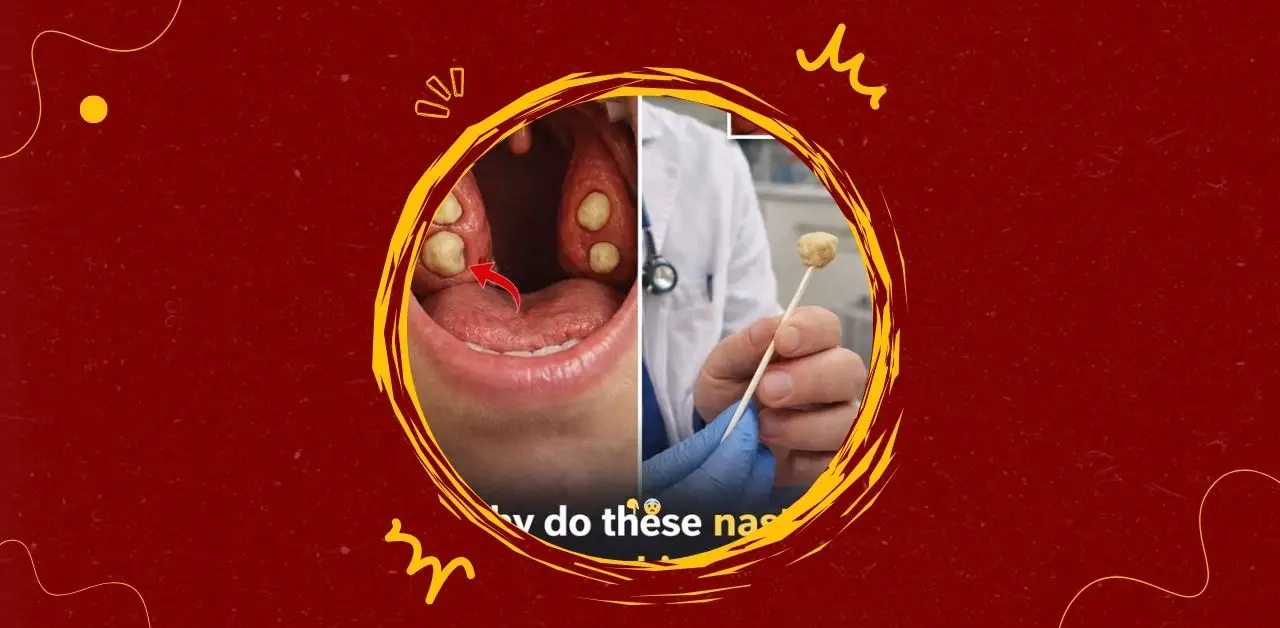
Tonsil stones, medically known as tonsilloliths, are small, calcified formations that develop in the crevices of the tonsils. Though often harmless, they can cause discomfort, bad breath, and a sense of irritation in the throat. Many people are unaware of their existence until they notice white or yellowish lumps at the back of the throat or experience persistent foul odor despite good oral hygiene. Understanding what tonsil stones are, why they form, and how to manage them is key to maintaining oral health.
What Are Tonsil Stones?
Tonsil stones are hardened deposits of debris that accumulate in the tonsillar crypts. These crypts are natural folds and pockets in the tonsils that can trap:
- Food particles
- Dead cells
- Mucus
- Bacteria
Over time, this trapped material calcifies, forming small, irregularly shaped stones that vary in size from tiny grains to larger lumps.
Causes of Tonsil Stones
Several factors contribute to their formation:
- Poor Oral Hygiene: Inadequate cleaning allows bacteria and debris to accumulate.
- Chronic Tonsillitis: Repeated inflammation enlarges tonsil crypts, making them more prone to trapping debris.
- Post-Nasal Drip: Mucus draining into the throat can contribute to buildup.
- Dietary Factors: Sticky or processed foods may leave residues that lodge in the tonsils.
- Dry Mouth: Reduced saliva flow limits natural cleansing, encouraging bacterial growth.
Symptoms and Signs
While some people may not notice tonsil stones, common symptoms include:
- Persistent bad breath (halitosis)
- Visible white or yellow lumps on the tonsils
- Sore throat or irritation
- Difficulty swallowing
- Metallic or unpleasant taste in the mouth
- Ear pain (caused by shared nerve pathways)
Home Remedies and Management
Tonsil stones can often be managed at home with simple techniques:
- Saltwater Gargle: Helps dislodge small stones and reduce bacteria.
- Cotton Swab Removal: Gently pressing with a clean swab can extract visible stones.
- Hydration: Drinking plenty of water prevents dry mouth and reduces buildup.
- Oral Hygiene: Brushing teeth, tongue, and flossing regularly minimizes debris.
- Apple Cider Vinegar Rinse: Diluted vinegar may help dissolve smaller stones.
Medical Treatments
For persistent or severe cases, professional care may be necessary:
- Antibiotics: To treat associated infections.
- Laser Tonsil Cryptolysis: Reshapes tonsil surfaces to reduce crypt depth.
- Coblation Cryptolysis: Uses radiofrequency energy to eliminate crypts.
- Tonsillectomy: Surgical removal of tonsils, considered in chronic or severe cases.
Prevention Tips
- Maintain consistent oral hygiene.
- Avoid smoking, which dries the mouth and worsens bacterial growth.
- Stay hydrated to encourage saliva flow.
- Use mouthwash to reduce bacterial colonies.
- Treat sinus issues promptly to prevent mucus buildup.
Conclusion
Tonsil stones are a common but often overlooked condition that can cause discomfort and embarrassment due to bad breath. While they are generally not dangerous, they can affect quality of life if left unmanaged. Through good oral hygiene, hydration, and preventive care, most cases can be controlled at home. For recurring or severe stones, medical intervention offers effective long-term solutions.