
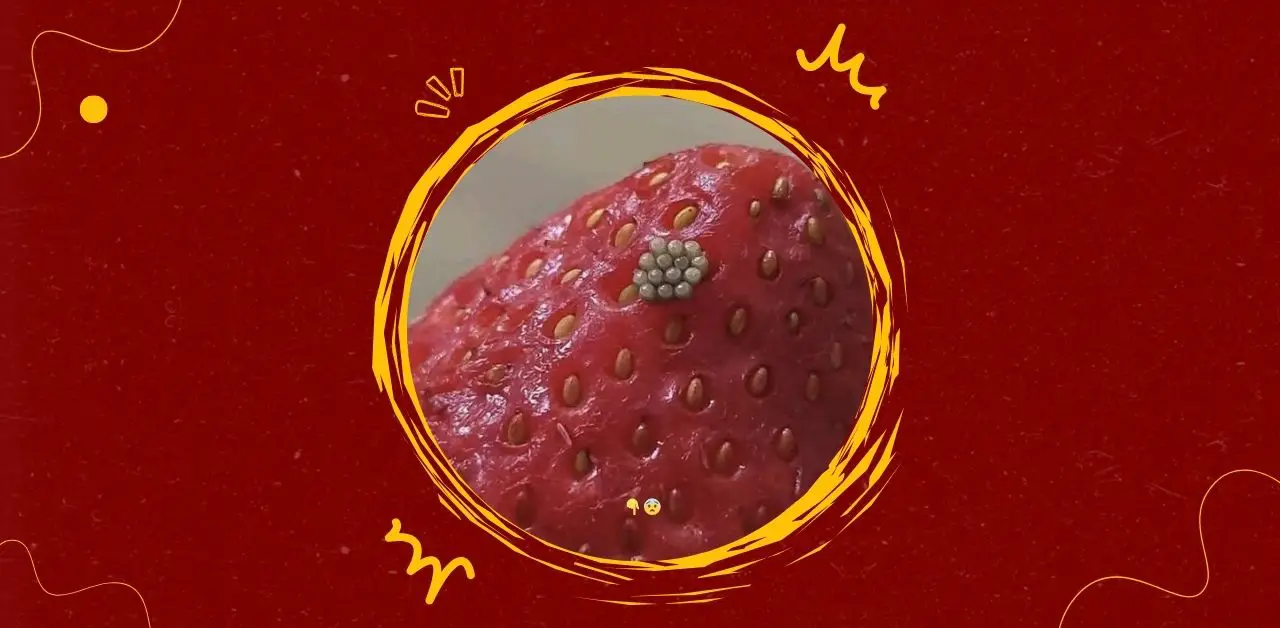
Strawberries are one of the most beloved fruits worldwide, prized for their sweetness, vibrant color, and versatility. However, like many fruits, they are vulnerable to pests and insects that may lay eggs directly on their surface. Discovering clusters of tiny, light-colored eggs on a strawberry can be alarming, especially when the fruit is intended for consumption. Understanding why this happens, the potential risks, and how to prevent it is essential for both home gardeners and consumers.
Why Insects Lay Eggs on Strawberries
- Fruit Attractiveness: Strawberries emit a strong, sweet aroma that attracts insects seeking food and shelter.
- Soft Surface: The skin of strawberries is delicate, making it easy for insects to attach eggs.
- Moisture and Nutrients: The fruit provides a nutrient-rich environment for larvae once the eggs hatch.
- Common Culprits: Flies, beetles, and certain moth species are known to lay eggs on soft fruits, including strawberries.
Risks of Consuming Contaminated Strawberries
- Health Concerns: While most insect eggs themselves are not toxic, consuming contaminated fruit can expose individuals to bacteria or parasites carried by the insects.
- Food Spoilage: Eggs and larvae accelerate fruit decay, making strawberries unfit for consumption.
- Allergic Reactions: Some people may experience mild allergic responses to insect contamination.
- Psychological Discomfort: Even if harmless, the idea of eating fruit with insect eggs is unpleasant for most consumers.
Prevention Strategies for Gardeners
- Regular Inspection: Check plants frequently for signs of insect activity, especially during fruiting season.
- Protective Netting: Use fine mesh covers to prevent insects from reaching the fruit.
- Natural Repellents: Neem oil, garlic spray, or vinegar solutions can deter insects without harming plants.
- Companion Planting: Growing herbs like basil, mint, or marigolds nearby can repel pests naturally.
- Proper Hygiene: Remove fallen or damaged fruit promptly to reduce breeding grounds for insects.
Safe Handling for Consumers
- Washing Thoroughly: Rinse strawberries under running water and gently scrub the surface to remove eggs or residues.
- Saltwater Soak: Soaking strawberries in a mild saltwater solution can help dislodge eggs.
- Vinegar Rinse: A diluted vinegar wash (1 part vinegar to 3 parts water) is effective against bacteria and pests.
- Refrigeration: Store strawberries in a cool environment to slow down insect activity and fruit decay.
- Discard Contaminated Fruit: If eggs or larvae are visible, it is best to discard the affected strawberry rather than risk consumption.
Long-Term Solutions
For commercial growers, integrated pest management (IPM) strategies—combining biological controls, natural repellents, and careful monitoring—are the most effective way to reduce insect egg contamination. Consumers can support sustainable farming practices by purchasing strawberries from trusted sources that prioritize pest control and hygiene.
Conclusion
Finding insect eggs on strawberries is a reminder of the natural challenges involved in growing fresh produce. While the sight may be unsettling, the issue can be managed with proper prevention, careful handling, and safe washing techniques. By staying informed and proactive, both gardeners and consumers can enjoy strawberries at their best—fresh, clean, and delicious.