
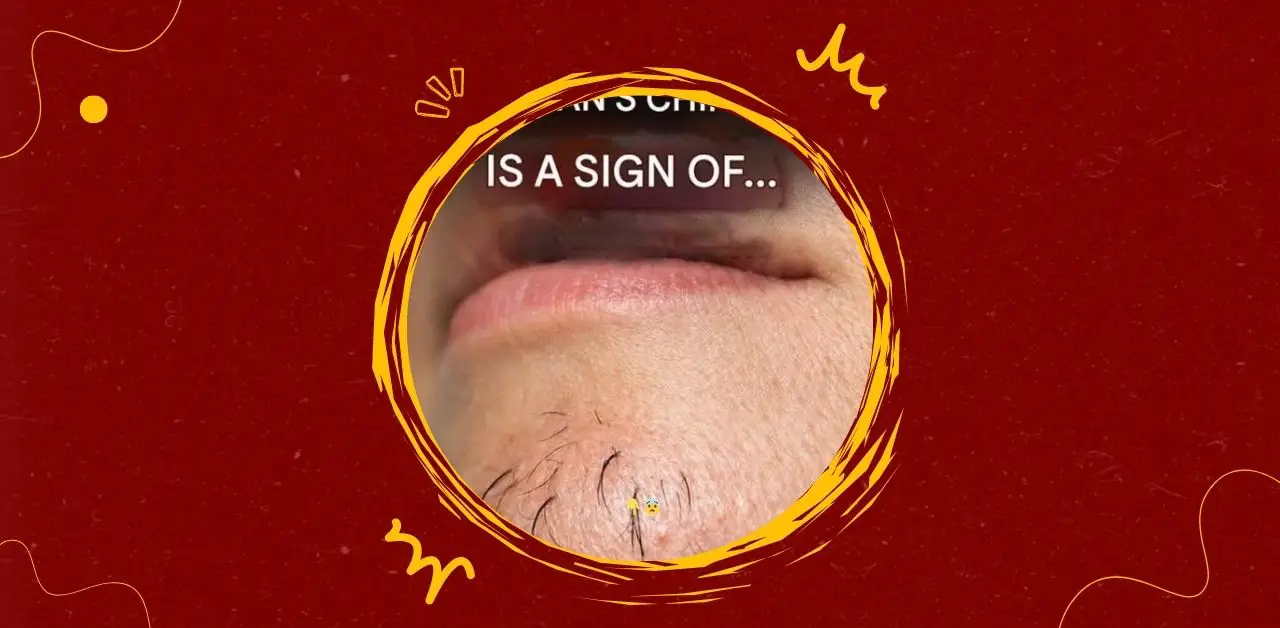
Chin hair in women is usually linked to hormonal changes, genetics, or conditions like polycystic ovary syndrome (PCOS), and while it is common, sudden or excessive growth can sometimes signal an underlying health issue.
Causes of Chin Hair in Women
- Hormonal fluctuations
- Puberty, pregnancy, and menopause can all trigger changes in androgen levels, leading to facial hair growth.
- Estrogen decline with age often leaves testosterone more dominant, causing coarse chin hairs to appear.
- Polycystic Ovary Syndrome (PCOS)
- Affects 5–15% of women of reproductive age.
- Causes excess androgen production, irregular periods, acne, and sometimes significant facial hair growth.
- Genetics and Heritage
- Women of Mediterranean, Middle Eastern, South Asian, and Hispanic descent are more likely to experience hirsutism (excess facial hair).
- Family history often plays a role in hair growth patterns.
- Medical Conditions
- Diabetes/Insulin resistance: Can raise testosterone levels, leading to facial hair.
- Cushing’s syndrome: Excess cortisol may cause hair growth along with weight gain and other symptoms.
- Adrenal or ovarian tumors: Rare but can increase androgen production.
- Congenital adrenal hyperplasia: A hereditary adrenal disorder that can cause excess hair growth.
- Medications
- Certain drugs, including anabolic steroids, chemotherapy, and epilepsy treatments, list hair growth as a side effect.
When to Seek Medical Advice
- Sudden increase in coarse, dark chin hair
- Accompanied by symptoms such as irregular periods, acne, weight changes, or deepening of the voice
- Rapid changes during menopause or pregnancy that feel unusual
These may indicate a hormonal imbalance or a condition like PCOS, and consulting a doctor can help identify the cause.
Safe Hair Removal Options
- Tweezing: Best for occasional stray hairs.
- Threading or sugaring: Gentler alternatives to waxing, especially for sensitive skin.
- Depilatory creams: Dissolve hair but may irritate skin—always patch test first.
- Laser hair removal or electrolysis: Long-term solutions, particularly effective for darker hair.
- Bleaching: Makes hair less visible without removing it.
Avoid harsh methods like unclean tweezers, dull razors, or aggressive waxing, which can cause irritation or infection.
Conclusion
Chin hair in women is a common and natural occurrence, often tied to age, genetics, or hormonal changes. While it can be bothersome, it is not inherently harmful. However, if growth is sudden, excessive, or accompanied by other symptoms, it may be worth seeking medical evaluation. For most women, managing chin hair comes down to personal preference, with safe removal methods available to suit different needs and sensitivities.