
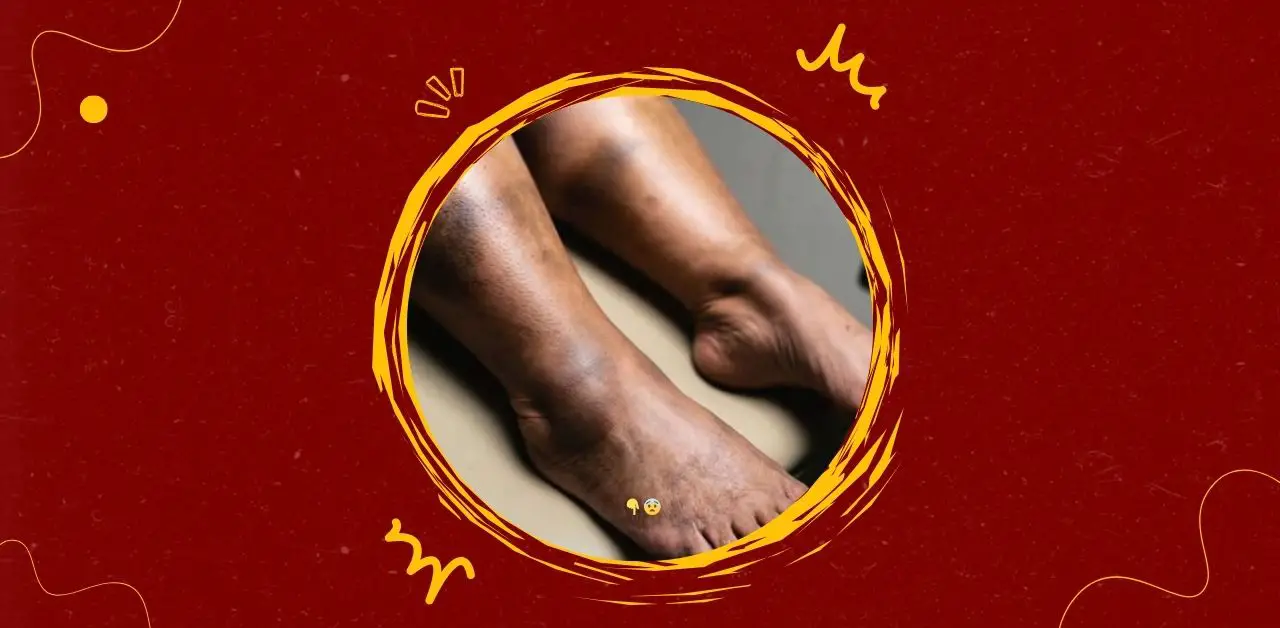
Sleep is essential for restoring the body, but the way we sleep can sometimes contribute to health problems. When legs are positioned poorly during rest, or when circulation is restricted, noticeable changes can occur in the lower extremities. Discoloration, swelling, and discomfort in the legs or feet may be linked to sleeping habits, underlying circulation concerns, or environmental factors. Understanding these consequences can help prevent complications and encourage healthier sleep routines.
How Sleep Position Affects the Legs
- Restricted Blood Flow
- Sleeping with legs bent tightly or pressed against hard surfaces can reduce circulation.
- Poor blood flow may lead to swelling, numbness, or discoloration.
- Pressure on Veins
- Crossing legs or keeping them in awkward positions for long periods can strain veins.
- This may contribute to visible skin changes, especially around the ankles and shins.
- Fluid Retention
- Lying flat for extended hours can cause fluid to pool in the lower extremities.
- Swelling may be more noticeable in the morning.
Visible Consequences
- Skin Discoloration: Dark patches or uneven pigmentation may appear due to circulation issues.
- Swelling: Ankles and feet can become puffy if fluid is not properly distributed.
- Discomfort or Pain: Restricted blood flow may cause aching or heaviness in the legs.
- Delayed Healing: Pressure points can slow recovery from minor injuries or bruises.
Preventive Measures
- Change Sleep Position: Avoid crossing legs or keeping them pressed against firm surfaces.
- Elevate Legs Slightly: Using a pillow under the calves or feet can improve circulation.
- Stay Hydrated: Proper hydration supports healthy blood flow.
- Stretch Before Bed: Gentle stretching helps relax muscles and reduce tension.
- Use Supportive Bedding: A mattress and pillows that support natural alignment reduce pressure on the legs.
When to Seek Medical Advice
If discoloration, swelling, or pain persists despite adjusting sleep habits, it may indicate an underlying condition such as venous insufficiency or circulation problems. Consulting a healthcare professional ensures proper evaluation and guidance.
Conclusion
Sleeping habits can have a direct impact on leg health. Poor positioning or restricted circulation during rest may lead to swelling, discoloration, and discomfort. By adopting supportive sleep routines—such as elevating the legs, stretching before bed, and maintaining hydration—you can reduce these risks and promote healthier, more restorative sleep. Persistent symptoms should always be discussed with a medical professional to ensure long‑term well‑being.