
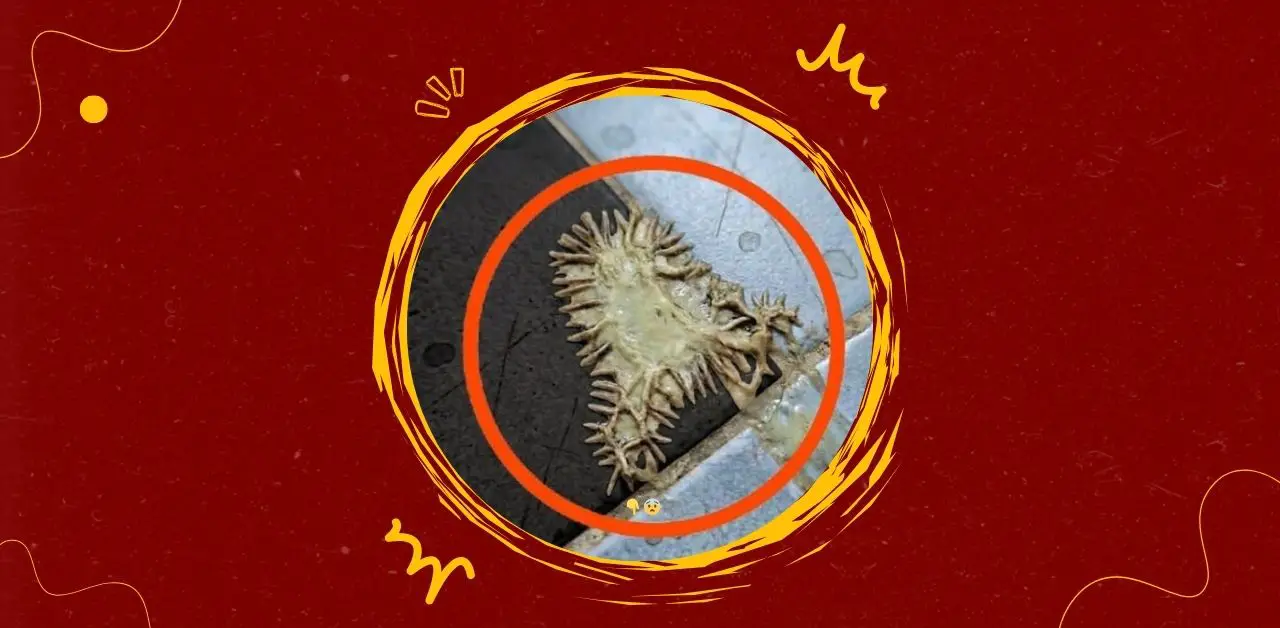
Discovering an unusual formation in a bathroom can be both puzzling and concerning. Bathrooms, with their constant exposure to moisture, warmth, and cleaning products, often become places where unexpected residues or growths appear. The peculiar branching, coral-like structure you found highlights how everyday environments can produce surprising patterns that are not immediately recognizable.
Possible Explanations
- Mineral Deposits: Hard water often leaves behind calcium or lime deposits. Over time, these can form irregular, spiky shapes that resemble coral or stone-like growths.
- Soap Scum Residue: A mixture of soap, minerals, and cleaning agents can harden into unusual textures, especially in tile grout lines.
- Mold or Mildew: Bathrooms are prone to fungal growth due to humidity. Some molds form branching or spiky colonies that look unusual compared to typical dark spots.
- Cleaning Chemical Reaction: Certain cleaning products, when mixed or left to dry, can crystallize into odd formations.
- Organic Debris: Occasionally, residues from natural materials (like plant matter or dust) can combine with moisture to create strange patterns.
Why It Happens in Bathrooms
- High Humidity: Steam from showers creates a damp environment perfect for deposits or growths.
- Tile Grout: The porous surface of grout can trap minerals, soap, and organic matter.
- Limited Ventilation: Without proper airflow, moisture lingers, encouraging unusual formations.
What You Can Do
- Inspect Closely: Determine if it feels hard (mineral deposit) or soft (possible mold).
- Clean Safely: Use a mild cleaning solution like vinegar or baking soda for mineral buildup, or a gentle antifungal cleaner if it seems organic.
- Improve Ventilation: Keep the bathroom well-ventilated to reduce moisture.
- Monitor Changes: If it reappears quickly after cleaning, it may be linked to water quality or persistent humidity.
Conclusion
The strange coral-like structure in your girlfriend’s bathroom is most likely a harmless residue or mineral deposit, though mold or mildew is also possible. Bathrooms naturally encourage these kinds of formations due to moisture and tile grout. With careful cleaning and better ventilation, you can usually eliminate and prevent such growths.