
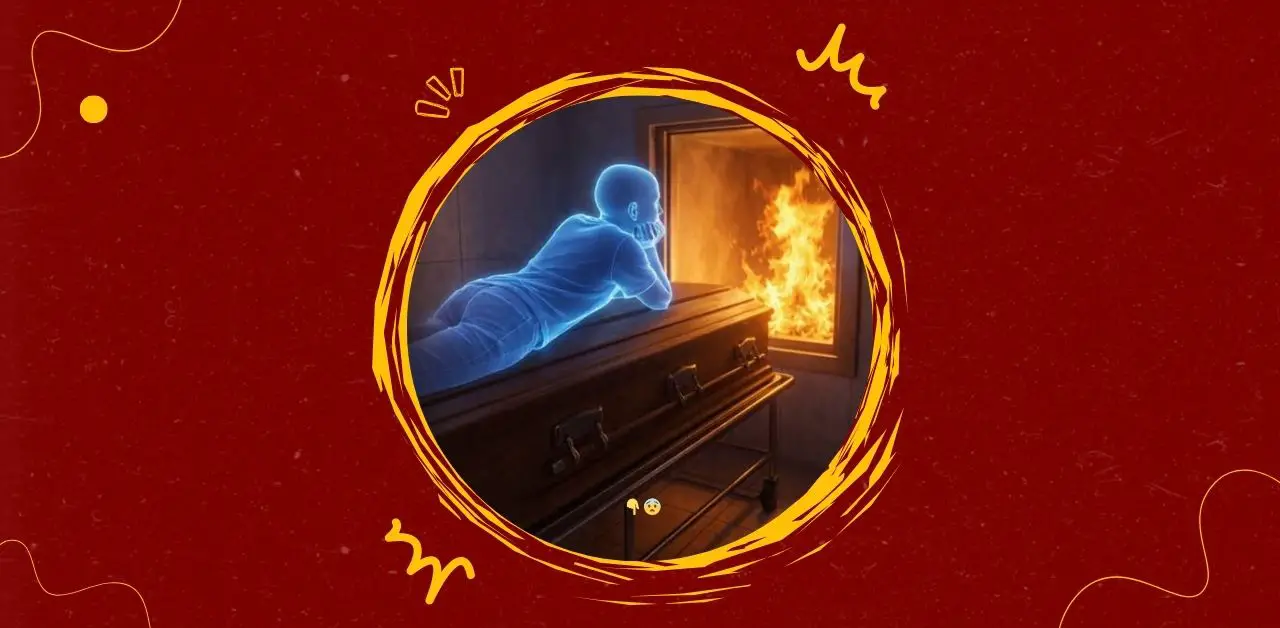
Cremation has long been practiced across cultures as both a practical and spiritual ritual. Beyond the physical act of reducing the body to ashes, it carries profound symbolic meaning about life, death, and what lies beyond. The imagery of a soul watching over its own cremation reflects humanity’s enduring belief in the separation of spirit from matter, and the continuation of existence in another form.
Historical and Cultural Perspectives
- Hinduism: Cremation is seen as a way to release the soul from the physical body, allowing it to move toward reincarnation or liberation.
- Buddhism: Fire symbolizes transformation, purifying the body and helping the soul progress on its journey.
- Western traditions: While burial has historically been more common, cremation is increasingly accepted, often viewed as a return to elemental simplicity.
- Indigenous practices: Many cultures use fire as a sacred tool, symbolizing renewal and the cycle of life.
Spiritual Symbolism
- Fire as purification: Flames represent cleansing, burning away earthly ties and impurities.
- Soul’s release: The image of a glowing figure above the coffin embodies the belief that consciousness transcends physical death.
- Transition to afterlife: Cremation is often seen as a gateway, marking the passage from the material world to spiritual realms.
- Cycle of existence: Ashes returning to the earth reflect the natural cycle of birth, death, and rebirth.
Psychological Meaning
Witnessing or imagining the soul observing its own cremation can be a powerful metaphor for acceptance:
- Letting go: It symbolizes detachment from worldly possessions and ego.
- Transformation: Death is not an end but a change in form, a continuation of energy.
- Comfort for the living: Believing the soul is at peace can ease grief and provide closure.
Modern Reflections
In contemporary society, cremation is often chosen for practical reasons, but its deeper meaning persists. Many people scatter ashes in places of personal significance, symbolizing freedom and eternal connection. The act becomes not just a farewell, but a celebration of life and a reminder of continuity.
Conclusion
Cremation is more than a physical process—it is a ritual steeped in symbolism, representing purification, release, and transformation. The vision of a soul watching over the flames captures humanity’s timeless hope: that death is not the end, but a passage into another state of being.