
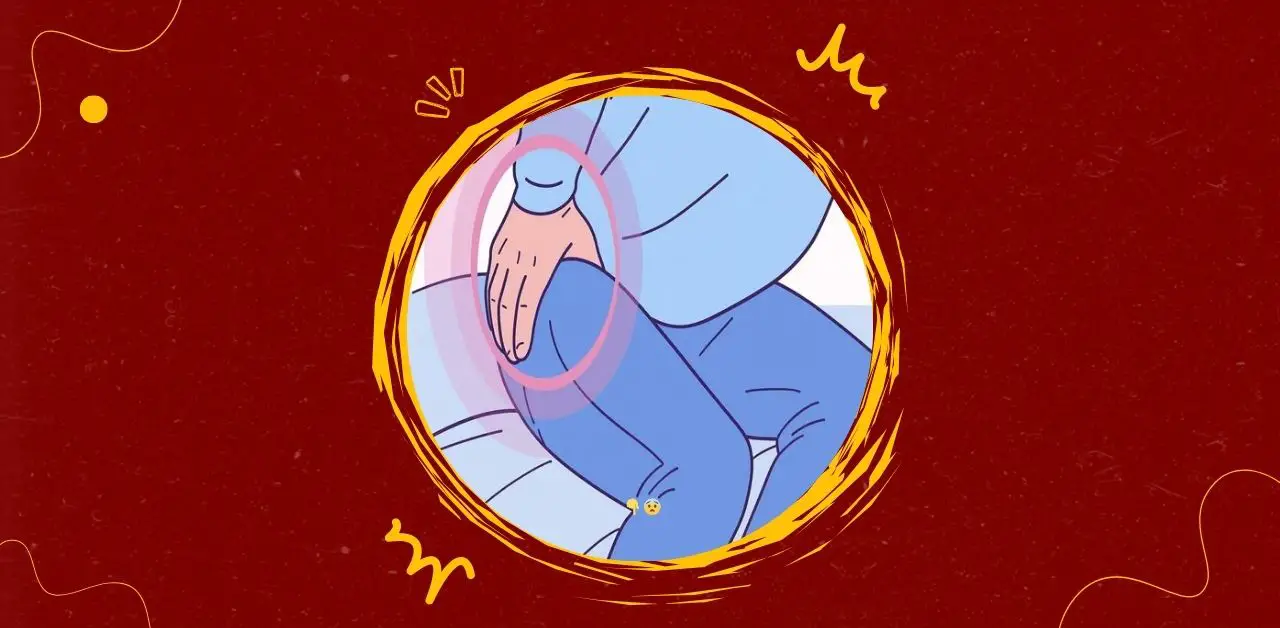
Hip pain is not something to ignore. While occasional discomfort may result from overuse or minor strain, persistent or sharp pain in the hip region often signals an underlying issue that requires attention. Understanding the causes, symptoms, and management strategies can help individuals take proactive steps toward relief and long-term health.
Common Causes of Hip Pain
- Arthritis: Osteoarthritis and rheumatoid arthritis are leading causes of chronic hip pain, often accompanied by stiffness and reduced mobility.
- Bursitis: Inflammation of the bursae (fluid-filled sacs that cushion the hip joint) can cause sharp pain, especially when walking or climbing stairs.
- Tendonitis: Overuse or repetitive movements may inflame tendons around the hip, leading to aching discomfort.
- Muscle Strain: Sports, heavy lifting, or sudden movements can strain hip muscles, resulting in soreness and limited range of motion.
- Hip Fractures: More common in older adults due to weakened bones, fractures cause severe pain and require immediate medical care.
- Nerve Issues: Conditions like sciatica can radiate pain from the lower back into the hip area.
Symptoms That Should Not Be Ignored
- Persistent pain lasting more than a few days
- Pain that worsens with activity or at night
- Swelling, redness, or warmth around the hip joint
- Difficulty standing, walking, or bearing weight
- Clicking, popping, or grinding sensations in the hip
These signs may indicate a serious condition that needs medical evaluation.
Management and Relief Strategies
- Rest and Activity Modification: Avoiding activities that aggravate pain can help reduce strain.
- Cold and Heat Therapy: Ice packs reduce inflammation, while heat can relax tight muscles.
- Stretching and Strengthening Exercises: Gentle exercises improve flexibility and support the hip joint.
- Weight Management: Maintaining a healthy weight reduces stress on the hip.
- Supportive Footwear: Proper shoes can improve posture and reduce hip strain.
- Medical Treatment: Depending on the cause, doctors may recommend physical therapy, anti-inflammatory medications, or in severe cases, surgical intervention.
When to Seek Medical Help
Hip pain is a clear sign that something is wrong, especially if it interferes with daily activities or worsens over time. Consulting a healthcare professional ensures proper diagnosis and treatment, preventing complications and promoting recovery.
Conclusion
Hip pain should never be dismissed as a minor inconvenience. It can be a symptom of conditions ranging from simple muscle strain to serious joint disease. By recognizing the signs early and adopting appropriate management strategies, individuals can protect their mobility, reduce discomfort, and maintain a healthier lifestyle.