
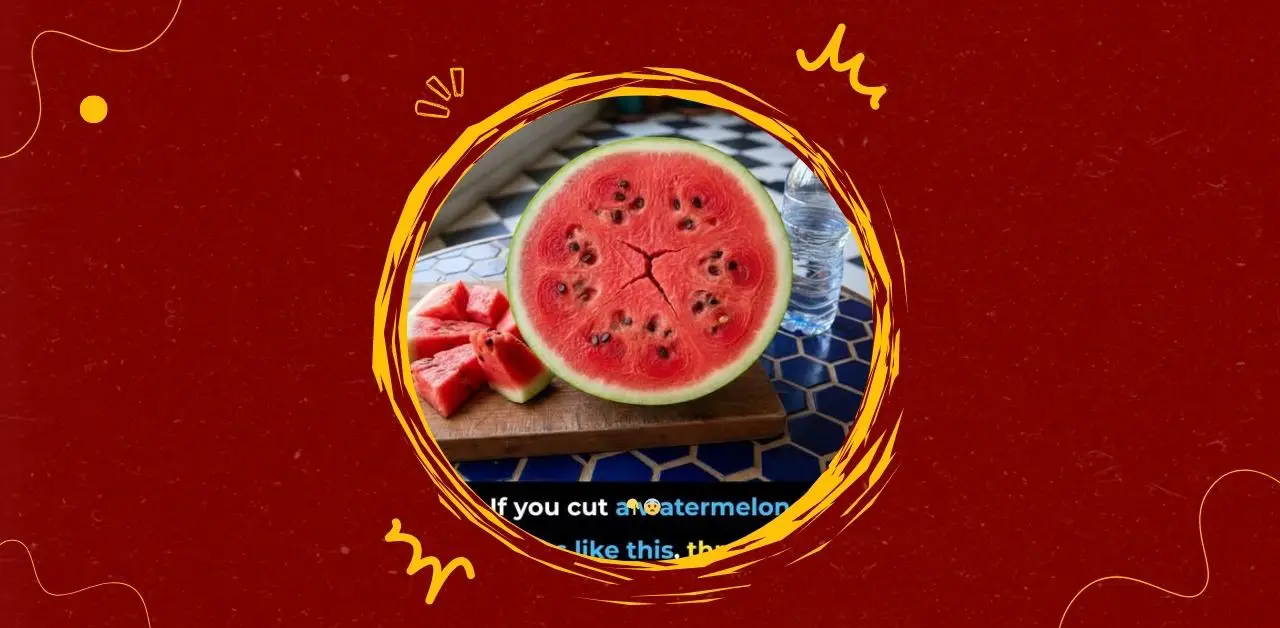
Watermelon is one of the most refreshing fruits, especially in the summer months. However, sometimes when you cut into a watermelon, you may notice unusual cracks or fissures running through the flesh. While this can look alarming, it is important to understand what these signs mean and whether the fruit is safe to eat. Food safety experts emphasize that certain appearances in watermelon can indicate spoilage or poor quality, and in some cases, it is best to discard the fruit.
Why Do Watermelons Crack Inside?
Cracks or fissures in the flesh of a watermelon can occur for several reasons:
- Overripening: When a watermelon matures beyond its ideal stage, the flesh can split internally.
- Rapid Growth: Excessive rain or sudden changes in temperature can cause the fruit to grow too quickly, leading to internal cracking.
- Storage Conditions: Improper storage, such as leaving the fruit in hot or humid environments, can accelerate spoilage.
Signs That a Watermelon Should Be Discarded
- Unusual Texture: If the flesh appears mushy, slimy, or overly watery, it may be spoiled.
- Off Odor: A sour or fermented smell is a clear indicator that the fruit is no longer fresh.
- Discoloration: Dark patches, grayish tones, or uneven coloring can signal bacterial growth.
- Excessive Cracking: Large fissures that look unnatural may suggest the fruit has deteriorated internally.
Health Considerations
Eating spoiled watermelon can cause digestive discomfort, including nausea or stomach upset. While most cases are mild, food safety guidelines recommend avoiding consumption of fruit that shows clear signs of spoilage.
How to Choose and Store Watermelon Safely
- Selection: Choose watermelons with a uniform shape, a creamy yellow spot on the underside, and a hollow sound when tapped.
- Storage: Keep whole watermelons at room temperature until cut. Once sliced, refrigerate in airtight containers and consume within 3–4 days.
- Avoid Heat Exposure: Do not leave cut watermelon out in warm conditions, as bacteria can multiply quickly.
Conclusion
If you cut a watermelon and notice deep cracks, unusual discoloration, or an off smell, it is safest to throw it away. While not every crack means the fruit is spoiled, combining visual cues with smell and texture helps determine freshness. By selecting watermelons carefully and storing them properly, you can enjoy this fruit at its best while avoiding potential health risks.