
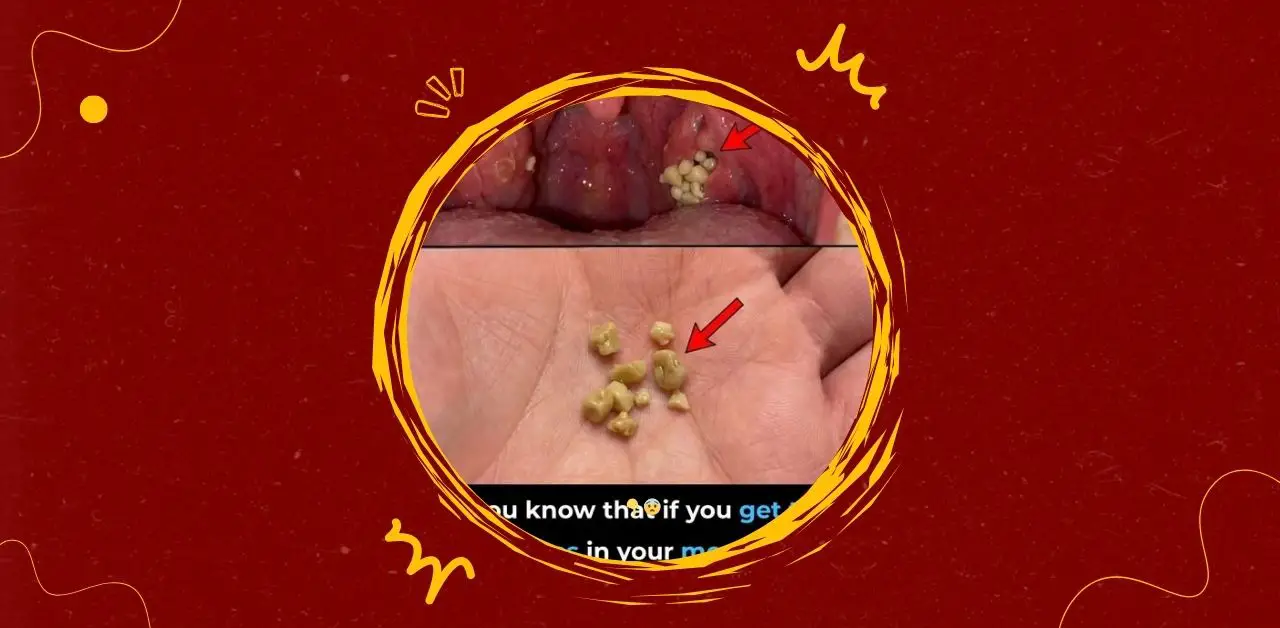
Those small, white or yellowish lumps that sometimes appear near the tonsils are known as tonsil stones, or tonsilloliths. While they may look alarming, they are actually quite common and usually harmless. However, their presence can indicate underlying issues with oral hygiene, diet, or chronic inflammation in the throat. Understanding what they are, why they form, and how to manage them can help you maintain better oral and overall health.
What Are Tonsil Stones?
Tonsil stones are hardened deposits that form in the crevices of the tonsils. The tonsils contain small pockets called crypts, which can trap food particles, dead cells, mucus, and bacteria. Over time, these trapped materials calcify, turning into small, pebble-like lumps. They vary in size, from tiny grains to larger, more noticeable stones.
Causes of Tonsil Stones
Several factors contribute to their formation:
- Poor oral hygiene: Not brushing or flossing regularly allows bacteria and debris to accumulate.
- Chronic tonsillitis: Repeated inflammation of the tonsils increases the likelihood of crypts filling with debris.
- Dietary habits: Sticky or processed foods can leave residues that lodge in the tonsils.
- Post-nasal drip: Mucus draining from the sinuses can collect in the throat and contribute to stone formation.
- Dry mouth: Reduced saliva flow makes it harder to wash away bacteria and particles.
Symptoms and Signs
While some people may not notice tonsil stones at all, others experience:
- Bad breath (halitosis) caused by sulfur-producing bacteria.
- Sore throat or irritation when stones press against surrounding tissue.
- Difficulty swallowing if stones are large.
- Ear pain due to shared nerve pathways.
- Visible white or yellow lumps near the tonsils.
Health Implications
Tonsil stones are generally not dangerous, but they can be uncomfortable and socially embarrassing due to persistent bad breath. In rare cases, very large stones may cause significant throat discomfort or infection. Their presence often signals that oral hygiene routines need improvement, or that chronic tonsil inflammation is occurring.
Management and Prevention
- Good oral hygiene: Brush teeth twice daily, floss, and use antibacterial mouthwash.
- Hydration: Drink plenty of water to keep the mouth moist and reduce bacterial growth.
- Dietary adjustments: Limit sugary and sticky foods that leave residues.
- Saltwater gargles: Help dislodge small stones and soothe irritation.
- Manual removal: Some people gently remove stones with cotton swabs, though care must be taken to avoid injury.
- Medical intervention: In severe or recurrent cases, a doctor may recommend laser treatment, cryptolysis, or even tonsillectomy.
Conclusion
Tonsil stones are a common occurrence that often reflects oral hygiene and throat health. While usually harmless, they can cause discomfort and bad breath. By maintaining proper oral care, staying hydrated, and seeking medical advice when necessary, you can reduce their impact and prevent recurrence. Recognizing these small lumps as a sign of what’s happening in your throat helps you take proactive steps toward better health.