
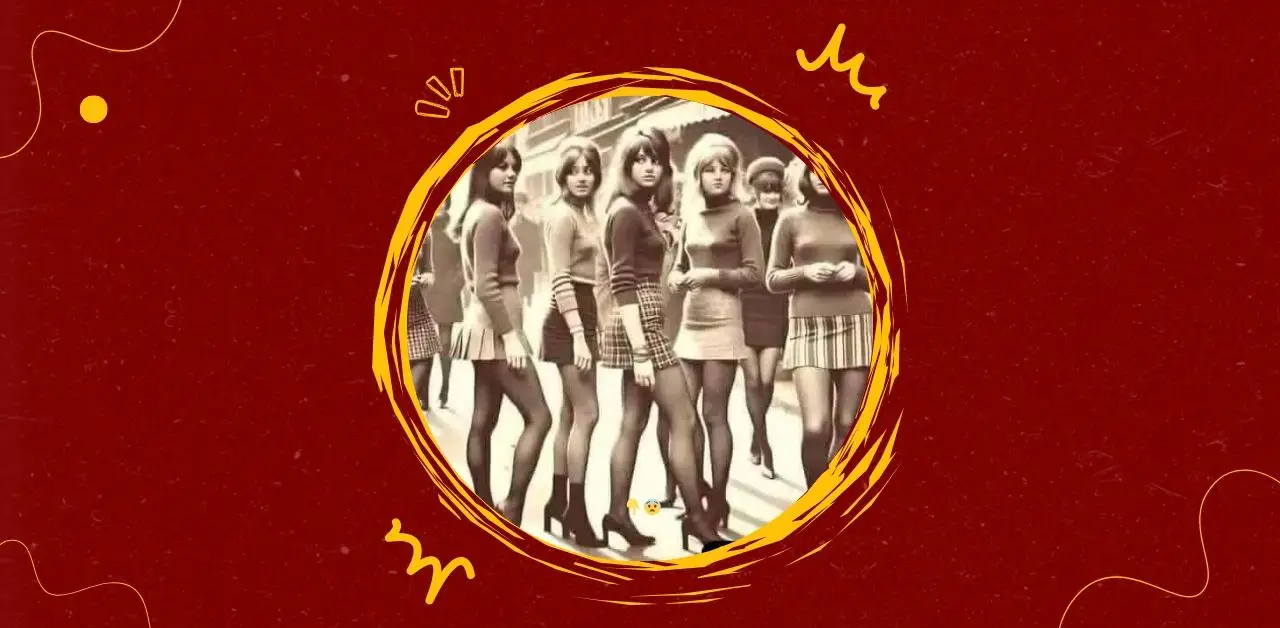
The 1960s was a decade of transformation, rebellion, and self-expression. Among the many cultural shifts that defined the era, fashion stood out as a powerful symbol of change. One of the most iconic styles to emerge was mod fashion, a bold and youthful movement that originated in London and quickly spread across Europe and beyond. Characterized by short skirts, sleek silhouettes, and striking accessories, mod fashion captured the spirit of independence and modernity.
Origins of Mod Style
The term “mod” comes from “modernist,” a label first used to describe young people in Britain who embraced jazz, scooters, and a forward-looking lifestyle. By the early 1960s, this modernist culture had evolved into a fashion revolution. Designers like Mary Quant popularized the miniskirt, while boutiques on Carnaby Street became hubs for daring new looks. The style was not just about clothing—it was about attitude. Mod fashion represented freedom from traditional norms, a rejection of conservative dress codes, and a celebration of individuality.
Key Elements of Mod Fashion
- Miniskirts and dresses: Hemlines rose dramatically, symbolizing liberation and confidence.
- Bold tights: Dark or patterned tights became essential, adding contrast to short skirts.
- Structured tops: Long-sleeved blouses and fitted jackets created clean, geometric lines.
- Footwear: Heeled boots and sleek shoes completed the look, often paired with pointed toes.
- Colors and patterns: While early mod fashion leaned toward monochrome, later styles embraced bright colors, stripes, and bold prints.
Cultural Impact
Mod fashion was more than a trend—it was a statement. Women embraced shorter skirts as a declaration of independence, while men adopted slim suits and sharp tailoring to reflect modern sophistication. The look was youthful, energetic, and urban, perfectly suited to the bustling streets of London and other European cities. It also influenced music and art, with bands like The Beatles and The Rolling Stones embodying the mod spirit in their early years.
Everyday Expression
For many young women, mod fashion was a way to stand out in the crowd. Walking down city streets in short skirts and boots was both a fashion choice and a social statement. The style was practical yet stylish, allowing freedom of movement while projecting confidence. It became a uniform of sorts for a generation that wanted to be seen, heard, and recognized as different from their parents’ generation.
Legacy of Mod Fashion
Though the mod movement faded by the late 1960s, its influence remains strong. The miniskirt is now a staple in wardrobes worldwide, and the clean lines of mod design continue to inspire contemporary fashion. Vintage photographs of women in mod attire remind us of a time when fashion was not just about clothing but about identity, freedom, and cultural revolution.
Conclusion
The rise of mod fashion in the 1960s marked a turning point in style and society. It was daring, youthful, and unapologetically modern. By embracing short skirts, bold tights, and sleek footwear, women of the era redefined what it meant to be fashionable. More importantly, they redefined what it meant to be free. Today, mod fashion stands as a timeless reminder that clothing can be more than fabric—it can be a powerful expression of change.