
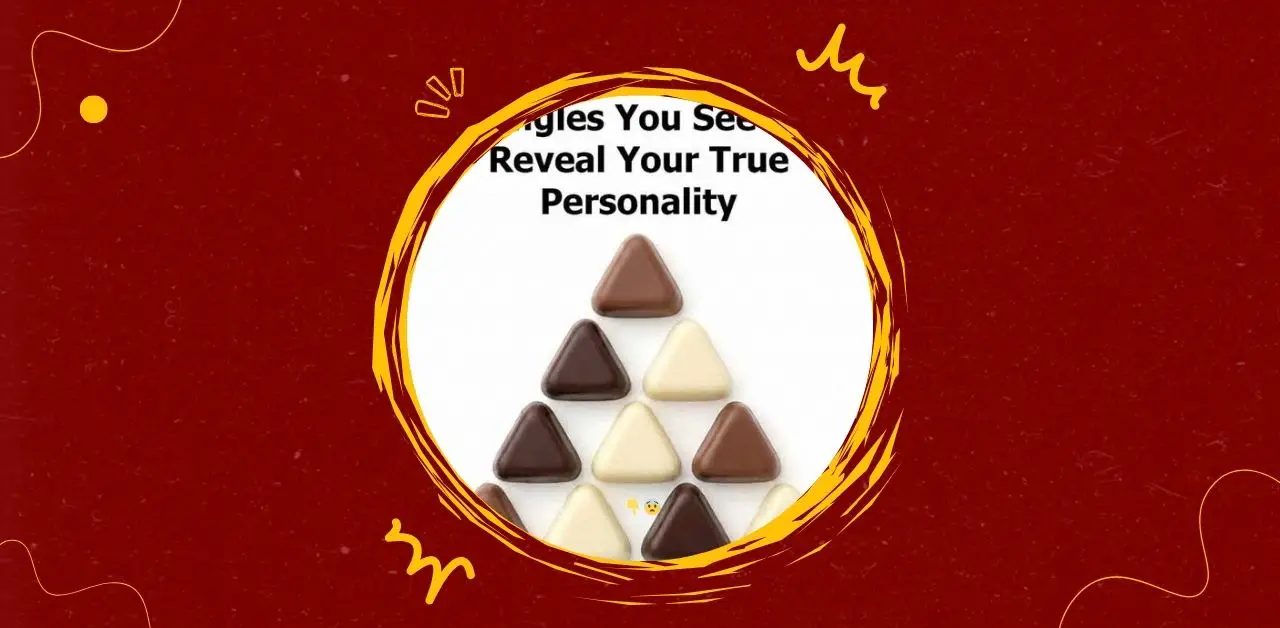
Optical illusions and visual puzzles have long fascinated people because they invite us to see beyond the obvious. One such puzzle is the “triangle count test”—an arrangement of overlapping shapes where the number of triangles you perceive is said to reveal aspects of your personality. While not scientifically validated, these puzzles are popular because they spark curiosity, self-reflection, and conversation.
🧩 How the Puzzle Works
- You are shown a pyramid-like arrangement of triangles.
- Some people count only the obvious individual shapes.
- Others notice hidden or overlapping triangles formed by combining smaller ones.
- The total number you identify is then linked to personality traits.
🎭 Personality Interpretations
Here’s how different counts are often interpreted in popular psychology circles:
- Few Triangles (e.g., 6–8):
- Suggests a practical, straightforward thinker.
- You focus on what’s visible and tangible, preferring clarity over complexity.
- Moderate Triangles (e.g., 9–12):
- Indicates balance between logic and imagination.
- You notice details but don’t get lost in them, showing adaptability and perspective.
- Many Triangles (e.g., 13+):
- Reflects creativity, abstract thinking, and curiosity.
- You enjoy exploring hidden meanings and possibilities others might overlook.
🌟 Why People Love These Tests
- Entertainment: They’re fun conversation starters in social settings.
- Self-Reflection: Even if symbolic, they encourage people to think about how they approach problems.
- Community: Sharing results online creates playful debates and bonding moments.
⚠️ A Note of Caution
While engaging, these puzzles are not scientific personality assessments. They don’t replace validated tools like the Big Five or Myers-Briggs. Instead, they’re best enjoyed as lighthearted activities that spark curiosity and dialogue.
✅ Key Takeaway
The triangle personality puzzle is less about uncovering deep truths and more about how you see and interpret the world. Whether you count a few or many, the exercise highlights your unique way of processing patterns—and that in itself is a reflection of personality.