
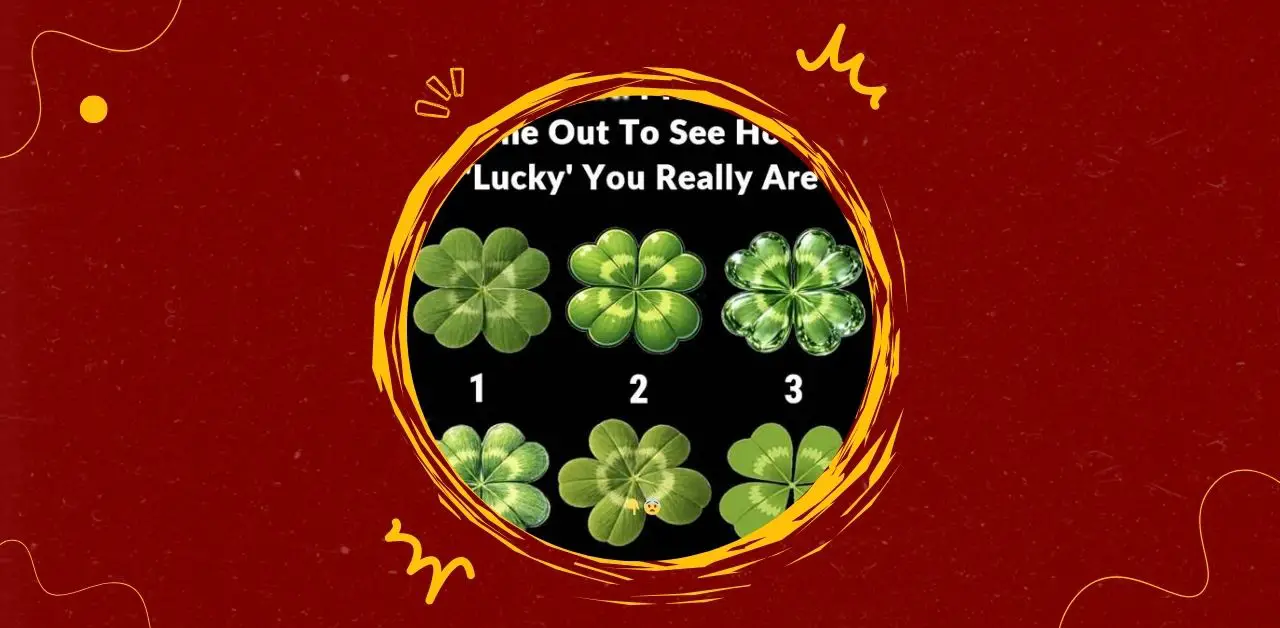
Visual puzzles have long been used to test attention, focus, and perception. One popular challenge involves identifying the “odd one out” among a group of similar shapes or symbols. At first glance, all the items may appear identical, but closer inspection reveals subtle differences. This type of puzzle is not only entertaining but also provides insight into how our brains process detail, pattern recognition, and concentration. The idea of linking the puzzle to “luck” adds a playful twist, suggesting that keen observation may be connected to fortune.
Why Odd One Out Puzzles Are Effective
Odd one out puzzles rely on the human brain’s ability to detect irregularities. Our visual system is trained to notice patterns, and when something breaks that pattern, it stands out. However, when differences are subtle—such as a missing detail, a reversed shape, or a slight variation in size—our brains must work harder to identify them. This makes the puzzle a test of patience and focus rather than chance.
The Role of Attention and Perception
- Selective Attention: These puzzles require filtering out similarities to focus on small differences.
- Pattern Recognition: The brain naturally seeks order, so spotting the odd one out challenges that instinct.
- Cognitive Flexibility: Sometimes the difference is not in shape but in orientation or detail, requiring flexible thinking.
Linking Observation to “Luck”
The idea that solving such puzzles reveals how “lucky” you are is symbolic rather than literal. Luck in this context refers to the ability to notice opportunities that others might miss. Just as spotting the odd clover requires sharp eyes, recognizing chances in life often depends on awareness and attentiveness. Those who train themselves to observe carefully may feel “luckier” because they are more likely to seize opportunities.
Benefits of Engaging with Puzzles
- Improved Focus: Regular practice sharpens concentration.
- Stress Relief: Puzzles provide a relaxing yet stimulating activity.
- Mental Agility: They encourage flexible thinking and problem‑solving.
- Confidence Boost: Successfully identifying differences reinforces a sense of accomplishment.
Conclusion
Odd one out puzzles are more than just games; they are exercises in observation, patience, and mental sharpness. While the connection to “luck” is playful, the underlying message is clear: those who pay attention to detail often find themselves better prepared to recognize and act on opportunities. Whether used for entertainment or self‑improvement, these puzzles remind us that careful observation can make all the difference.