
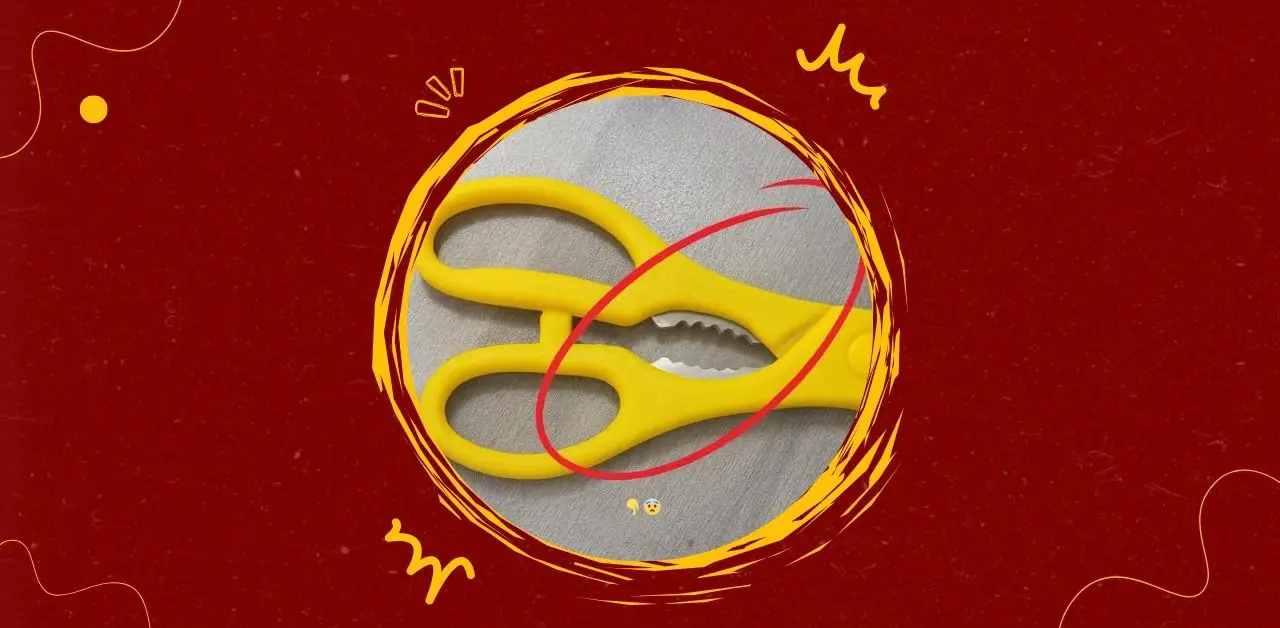
Scissors are among the most common household tools, used daily for cutting paper, fabric, packaging, and countless other materials. Yet many modern designs incorporate additional features that often go unnoticed. One such feature is the serrated section located between the handles, which is frequently overlooked but adds significant versatility. This design element transforms scissors from a simple cutting tool into a multifunctional household aid.
The Primary Function: Cutting
At their core, scissors are designed for cutting. The sharp blades, aligned at an angle, allow for precise slicing through materials ranging from thin paper to thicker fabrics. The ergonomic handles provide leverage, making the tool efficient and easy to use. This basic function has remained unchanged for centuries, but innovations in design have expanded their utility.
The Serrated Section Between Handles
The serrated area between the handles is a clever addition. It is typically used as a built-in bottle or jar opener, capable of gripping and twisting caps or cracking open stubborn lids. The textured surface provides friction, allowing the user to apply pressure without slipping. This feature is particularly useful in kitchens, where scissors often serve multiple purposes beyond cutting.
Additional Uses of Multifunctional Scissors
- Nut Cracker: The serrated section can also be used to crack small nuts, providing a quick solution without needing a separate tool.
- Wire Cutter: Some scissors include a notch near the blades designed to cut thin wires, making them useful for light electrical or craft work.
- Herb Stripper: Certain designs incorporate small holes along the handles for stripping herbs like rosemary or thyme, streamlining food preparation.
- Safety Cap Opener: The serrated grip is often strong enough to open safety caps on bottles, reducing strain on the hands.
Practical Benefits
The multifunctional design of scissors saves space and reduces the need for multiple tools. In kitchens, craft rooms, or offices, having one tool that performs several tasks increases efficiency. It also reflects a broader trend in product design: combining utility with convenience.
Maintenance and Care
To ensure longevity, scissors should be cleaned regularly, especially when used for food preparation. Wiping the blades and serrated section after use prevents buildup of residue. Sharpening the blades periodically maintains cutting efficiency, while storing them in a dry place prevents rust.
Conclusion
Scissors are more than simple cutting tools. The addition of serrated sections and other multifunctional features makes them versatile instruments suited for a variety of household tasks. Recognizing and utilizing these hidden functions enhances their value, turning an everyday object into a practical multitool. This design innovation demonstrates how small adjustments can significantly expand the usefulness of familiar items, making daily routines easier and more efficient.