
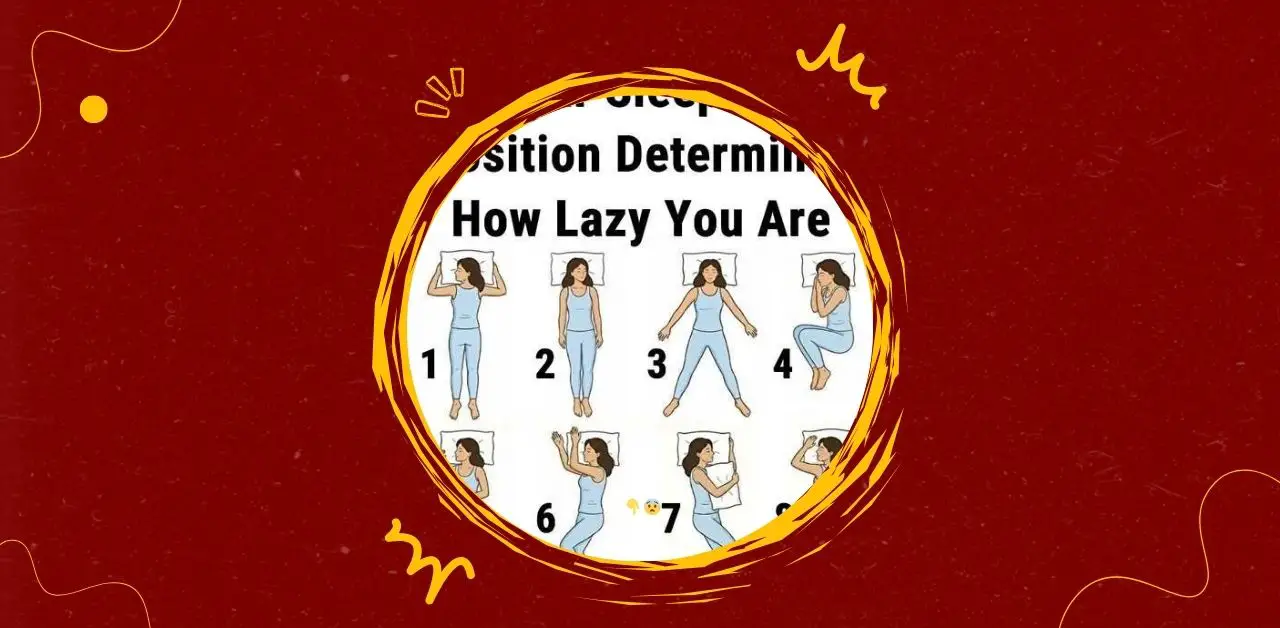
Sleep is not only a biological necessity but also a window into our subconscious habits and personality traits. The way we position ourselves during rest can reflect comfort preferences, physical needs, and even emotional states. While science does not directly link laziness or productivity to sleeping posture, cultural interpretations and humorous takes often suggest otherwise. Exploring these positions helps us understand how body language continues even when we are asleep, offering insights into relaxation, stress, and lifestyle.
INGREDIENTS:
- A bed or sleeping surface
- Pillows and blankets for comfort
- Eight common sleeping positions (back, stomach, side, fetal, starfish, soldier, log, and freefall)
- Awareness of body posture during rest
- A curious mind to interpret meanings
INSTRUCTION:
- Identify Your Position: Observe how you naturally fall asleep. Do you lie flat on your back, curl into a ball, or sprawl across the bed?
- Understand the Basics:
- Back with arms at sides (Soldier): Suggests discipline and structure, though it may increase snoring.
- Back with arms up (Starfish): Indicates openness and a relaxed personality, but can strain shoulders.
- Stomach (Freefall): Often linked to boldness, though it may cause neck discomfort.
- Side with legs straight (Log): Reflects sociability and trust, but may restrict circulation.
- Side with legs bent (Fetal): Shows sensitivity and a need for comfort, common among adults.
- Mixed or shifting positions: Suggest adaptability and restlessness.
- Consider Health Implications: Side sleeping can reduce acid reflux, back sleeping supports spinal alignment, while stomach sleeping may cause strain.
- Reflect on Lifestyle: While humorous charts may label certain positions as “lazy,” the truth is that posture often reflects physical comfort and stress levels rather than motivation.
- Experiment: Try adjusting your sleeping position to improve rest quality. For example, side sleeping with a pillow between the knees can ease back pain.
SERVINGS:
This exploration serves anyone curious about their sleep habits. It is not limited by age or lifestyle—whether you are a student, professional, or retiree, your sleeping position offers clues about your comfort and personality.
NOTE:
Sleeping positions are fascinating but should not be taken as strict indicators of laziness or productivity. They are shaped by anatomy, health conditions, and personal comfort. While cultural humor often exaggerates their meanings, the real takeaway is that sleep quality matters more than posture. Prioritizing rest, adjusting your environment, and listening to your body are the true recipes for energy and well-being.