
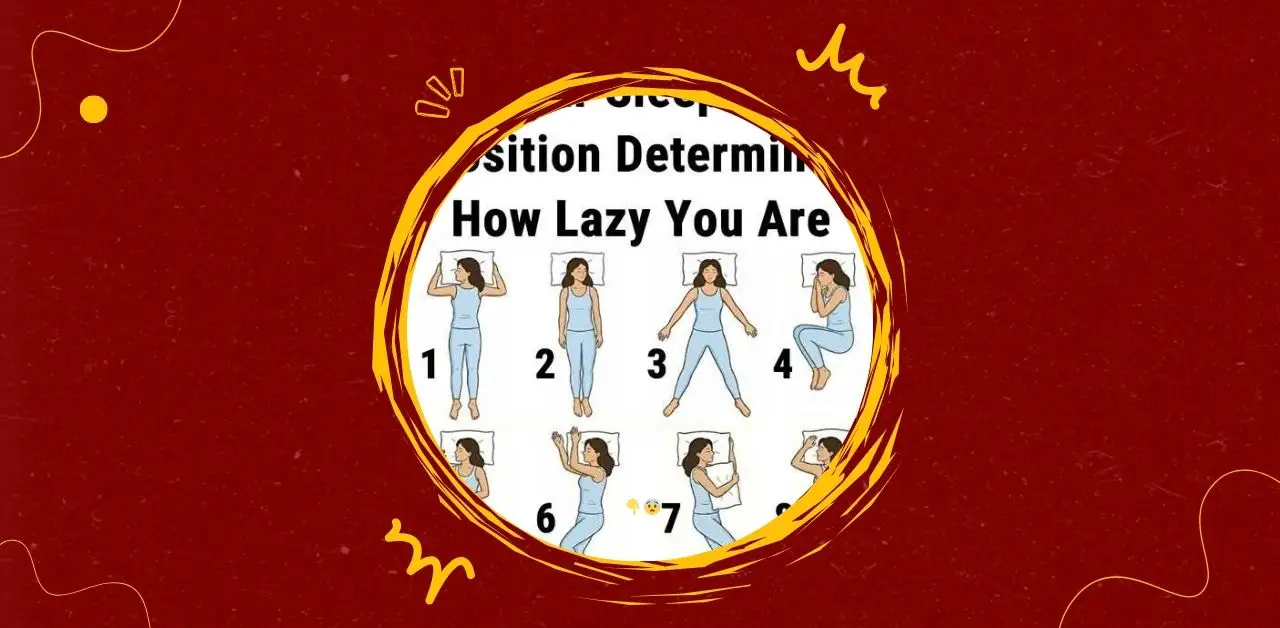
Sleep is a universal necessity, yet the way individuals position themselves during rest varies widely. Some lie flat on their backs, others curl tightly on their sides, while many adopt unique postures that blend comfort with habit. Across cultures, sleeping positions have been interpreted as reflections of personality, health, and even energy levels. A playful notion suggests that the way one sleeps can reveal how “lazy” they are, though this interpretation is more symbolic than scientific. Examining these positions provides insight into both humor and psychology.
Back Sleeping Positions
- Flat on the Back, Arms Down: This posture conveys discipline and calmness. It suggests a personality that values structure and order. In humorous terms, it may be seen as the “least lazy” position, reflecting readiness and composure.
- Back with Hands on Stomach: This position indicates thoughtfulness and introspection. It may suggest a personality that is reflective and deliberate. From a playful perspective, it could be seen as moderately lazy, as the body is relaxed but still centered.
- Back with Arms Spread Out: This open posture symbolizes generosity and comfort. It may be interpreted as indulgent, reflecting a willingness to fully surrender to rest. Humorously, it could be labeled “extra lazy,” as the body sprawls without restraint.
Side Sleeping Positions
- Curled on the Side (Fetal Position): This common posture reflects sensitivity and a need for security. It is often associated with emotional depth. In playful terms, it may be seen as “comfortably lazy,” prioritizing coziness above all else.
- Side with One Arm Extended: This posture reflects adaptability and balance. It suggests practicality and flexibility. Humorously, it may be considered “efficiently lazy,” as the body rests while maintaining a sense of readiness.
- Side Hugging a Pillow: This position conveys affection and a desire for comfort. It may suggest a nurturing personality. From a humorous perspective, it could be seen as “lovingly lazy,” indulging in the extra comfort of a pillow companion.
- Side with Arms Bent and Leg Raised: This posture reflects relaxation and creativity. It may suggest a laid-back personality. Humorously, it could be labeled “playfully lazy,” as the body adopts a carefree, casual stance.
Mixed Sleeping Position
- Back with One Arm and One Leg Bent: This hybrid posture reflects individuality and spontaneity. It may suggest a personality that resists conformity. Humorously, it could be seen as “uniquely lazy,” blending comfort with eccentricity.
Health Considerations
Beyond humor, sleeping positions have practical implications for health. Back sleeping can reduce pressure on joints but may worsen snoring. Side sleeping is often recommended for digestion and circulation. Fetal positions may relieve stress but can cause stiffness if curled too tightly. Stomach sleeping, though not listed here, is generally discouraged due to strain on the neck and spine.
Cultural and Symbolic Interpretations
In many traditions, sleep posture is viewed as a window into the subconscious. Open positions are associated with confidence, while curled positions suggest introspection. The playful idea of linking posture to laziness reflects a cultural tendency to connect physical behavior with personality traits, even when not scientifically proven.
Conclusion
Sleeping positions are shaped by comfort, habit, and health needs, yet they also carry symbolic meaning. Whether lying flat, curled on the side, or sprawling across the bed, each posture reflects aspects of personality and lifestyle. The humorous notion that sleeping positions determine laziness highlights the fascination with everyday behaviors and their deeper interpretations. Ultimately, sleep is less about laziness and more about the body’s natural search for rest and renewal.