
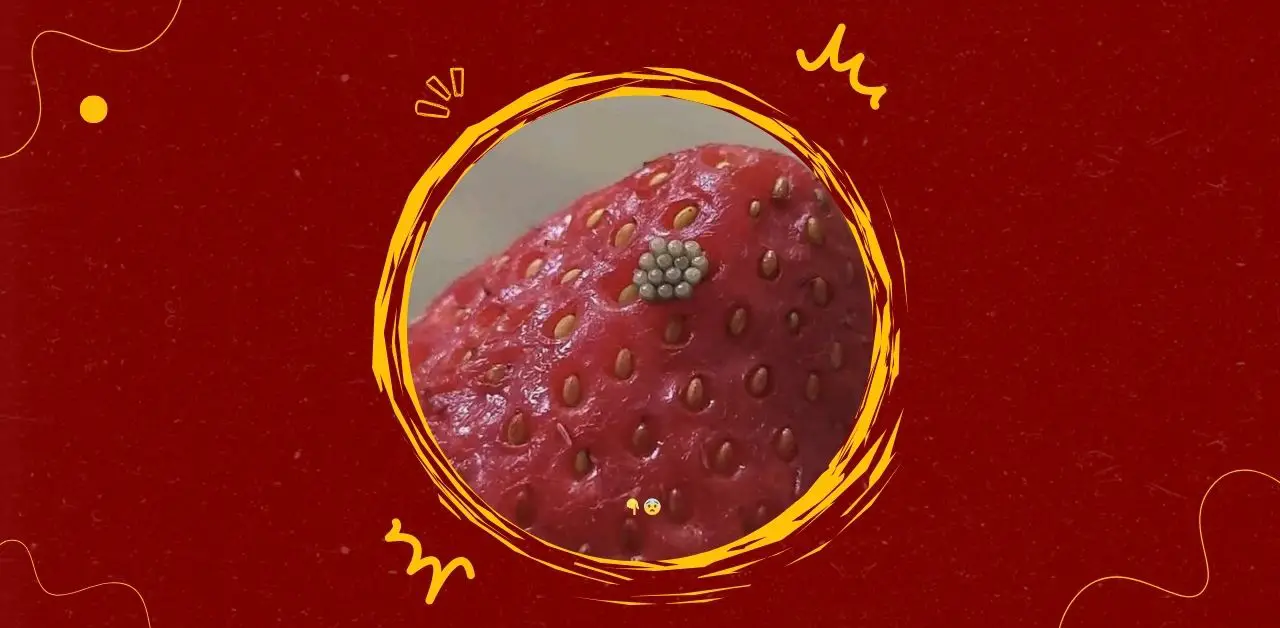
Discovering tiny white wiggling organisms emerging from strawberries after a saltwater soak can be unsettling. Many people have shared similar experiences, often wondering whether the fruit is safe to eat or if it should be discarded. This phenomenon is not uncommon, and understanding why it happens, what risks it poses, and how to handle contaminated fruit is essential for both home consumers and gardeners.
Why Worms Appear After a Saltwater Soak
- Fruit Fly Larvae: The most common culprits are larvae of fruit flies, particularly spotted wing drosophila. These insects lay eggs inside soft fruits like strawberries.
- Saltwater Effect: Soaking strawberries in saltwater creates an osmotic imbalance that forces larvae to wriggle out of the fruit.
- Natural Occurrence: This is part of the life cycle of insects attracted to sweet, moist fruits. It does not necessarily mean the fruit is unsafe, but it does highlight contamination.
Health Risks of Consuming Contaminated Strawberries
- Generally Harmless: Most fruit larvae are not toxic to humans. Eating them accidentally is unlikely to cause illness.
- Potential Discomfort: Some individuals may experience mild stomach upset or psychological discomfort.
- Food Safety Concerns: Larvae may carry bacteria or accelerate fruit spoilage, making strawberries less suitable for consumption.
Should You Throw Them Away?
- If Larvae Are Present: It is best to discard heavily infested strawberries.
- Mild Cases: If only a few larvae are found, thorough washing and trimming may make the fruit usable, though many prefer not to eat it.
- Personal Choice: Ultimately, whether to consume or discard depends on comfort level. Most people choose to throw away contaminated fruit.
Prevention Strategies
- Inspect Before Eating: Check strawberries for soft spots or unusual markings.
- Wash Thoroughly: Rinse under running water and soak briefly in saltwater or vinegar solution.
- Buy from Trusted Sources: Strawberries from farms with good pest management are less likely to be infested.
- Refrigeration: Store strawberries in a cool environment to slow insect activity.
- Garden Practices: For home growers, use protective netting and natural repellents to reduce infestation.
Conclusion
Finding worms in strawberries after a saltwater soak is a natural but unpleasant occurrence. While consuming them is generally not harmful, most people prefer to discard affected fruit. Preventive measures such as careful washing, proper storage, and sourcing from reliable growers can minimize the risk. By staying informed and cautious, you can continue to enjoy strawberries safely and confidently.