
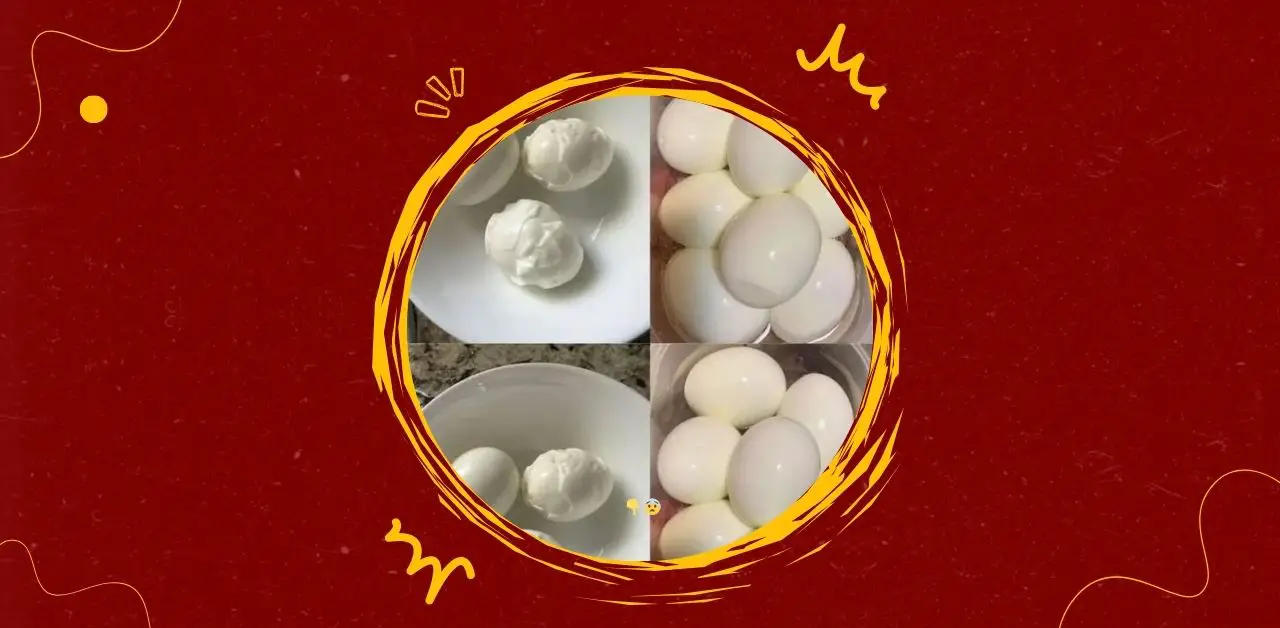
Hard-boiled eggs are a versatile staple in kitchens worldwide, but peeling them can often be frustrating. Rough, damaged surfaces occur when shells cling stubbornly to the egg whites, leaving behind unattractive results. With the right technique, however, you can achieve smooth, flawless eggs every time. This recipe focuses on creating perfectly peeled hard-boiled eggs by combining proper cooking, cooling, and peeling methods. The result is a reliable process that produces eggs ideal for salads, garnishes, or simply enjoying on their own.
Ingredients
- 6 large eggs
- Water (enough to cover eggs in pot)
- 1 teaspoon salt (optional, helps prevent cracking)
- Ice cubes for cooling bath
Instructions
- Prepare the pot: Place eggs in a single layer at the bottom of a saucepan. Add enough cold water to cover them by about one inch. Optionally, add salt to reduce cracking.
- Heat gradually: Place the saucepan on medium-high heat and bring the water to a gentle boil. Avoid rapid boiling, which can cause shells to crack.
- Cook the eggs: Once boiling, reduce heat slightly and cook for 9–12 minutes depending on desired firmness. Nine minutes yields slightly softer yolks, while twelve minutes ensures fully firm yolks.
- Cool immediately: Transfer eggs to a bowl of ice water. Let them sit for at least 10–15 minutes. Rapid cooling helps separate the membrane from the shell, making peeling easier.
- Peel carefully: Tap each egg gently on a hard surface to crack the shell, then roll it lightly to loosen. Begin peeling from the wider end, where the air pocket is located. This often makes the process smoother.
- Serve or store: Enjoy immediately or refrigerate peeled eggs in an airtight container for up to one week.
Servings
This recipe makes 6 servings (one egg per serving).
Note
The key to perfectly peeled eggs lies in the cooling process. Placing eggs directly into an ice bath after boiling is essential for loosening the shells. Older eggs also tend to peel more easily than very fresh ones, so using eggs that have been stored for a few days can improve results. By following these steps, you can consistently achieve smooth, attractive hard-boiled eggs suitable for any dish.
Extended Guide (500+ Words)
Hard-boiled eggs are deceptively simple, yet many home cooks struggle with peeling them cleanly. The frustration of shells sticking to the whites often leads to ragged, unattractive eggs. This recipe provides a structured approach to solving that problem.
The process begins with selecting the right eggs. Fresh eggs, while delicious, are notoriously difficult to peel because their lower pH causes the whites to bond tightly to the inner shell membrane. Eggs that have been stored for several days develop a slightly higher pH, which makes peeling easier. For best results, choose eggs that are not brand new from the carton.
Cooking technique also plays a crucial role. Placing eggs in cold water before heating ensures gradual temperature change, reducing the risk of cracking. Bringing water to a gentle boil rather than a rapid one prevents shells from breaking under pressure. Timing is equally important: nine minutes produces a yolk that is firm but still slightly creamy, while twelve minutes yields a fully set yolk ideal for slicing or chopping.
The cooling stage is the most critical factor in achieving smooth peeling. Transferring eggs immediately into an ice bath halts the cooking process and causes the egg whites to contract slightly, pulling away from the shell membrane. This separation makes peeling significantly easier. Allowing eggs to cool for at least ten minutes ensures optimal results.
When peeling, technique matters. Cracking the shell gently and rolling the egg helps loosen the shell evenly. Starting from the wider end, where the natural air pocket resides, often allows the peel to lift away more smoothly. Running the egg under a thin stream of water while peeling can also help remove stubborn fragments.
The finished product should be smooth, glossy eggs with intact whites. These are perfect for slicing onto salads, chopping into egg salad, or serving as a protein-rich snack. Properly peeled eggs also make attractive garnishes for dishes like ramen or deviled eggs, where presentation is important.
By following this method, you can eliminate the frustration of poorly peeled eggs and consistently produce professional-quality results. The combination of careful cooking, rapid cooling, and mindful peeling transforms a simple recipe into a reliable kitchen technique.