
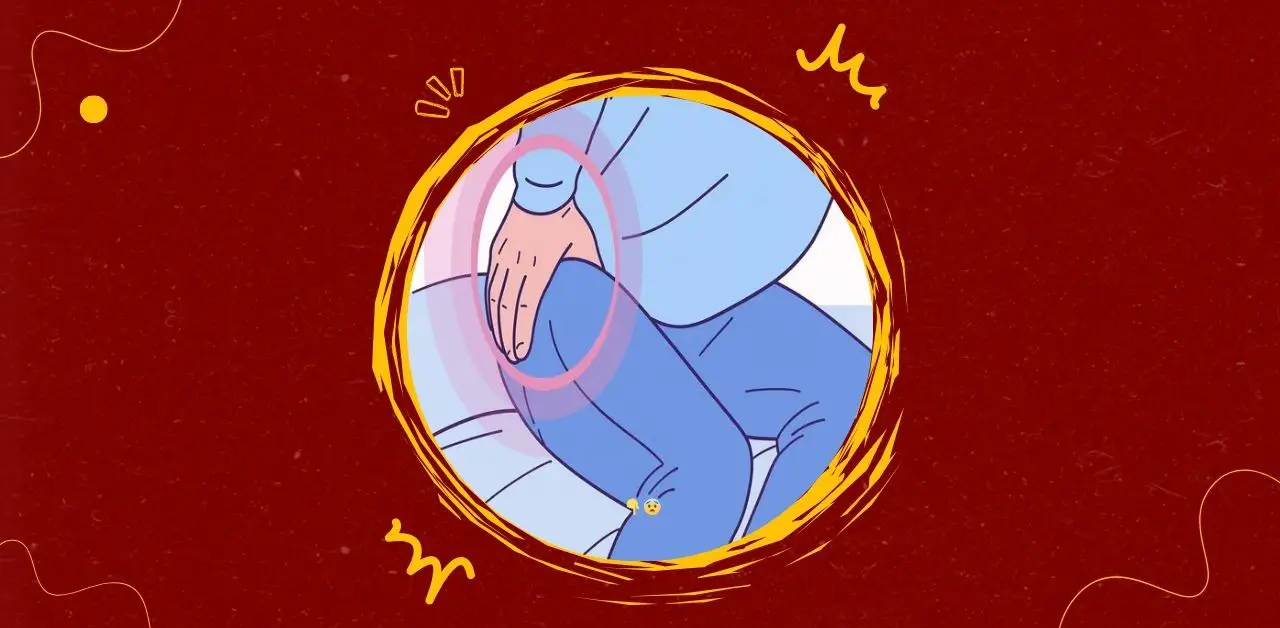
Lower back and hip discomfort is one of the most common health issues worldwide, affecting individuals across age groups and lifestyles. This type of pain can range from mild stiffness to severe, limiting mobility and daily activities. Because the lower back and hips form the central support system of the body, any strain or imbalance in this region can have widespread effects. Exploring the causes, contributing factors, and practical care strategies provides insight into how to manage and prevent such discomfort.
Common Causes
- Muscle Strain: Overexertion, improper lifting, or sudden movements can strain muscles in the lower back and hips.
- Poor Posture: Sitting for long periods, slouching, or standing unevenly places stress on the spine and hip joints.
- Arthritis: Degenerative conditions such as osteoarthritis can affect the hip joint and lower spine, leading to stiffness and pain.
- Sciatica: Compression of the sciatic nerve, often due to a herniated disc, can cause radiating pain from the lower back into the hips and legs.
- Injury or Trauma: Falls, accidents, or sports injuries may damage muscles, ligaments, or bones in the region.
- Lifestyle Factors: Lack of exercise, obesity, or repetitive strain from certain occupations can contribute to chronic discomfort.
Symptoms
Lower back and hip pain may present as:
- Dull aching or sharp stabbing sensations.
- Stiffness, especially after prolonged sitting or standing.
- Radiating pain into the thighs or buttocks.
- Reduced range of motion in the hips.
- Difficulty performing daily tasks such as bending, lifting, or walking.
Preventive Habits
- Maintain Good Posture: Keeping the spine aligned while sitting and standing reduces unnecessary strain.
- Exercise Regularly: Strengthening core and hip muscles provides stability and support.
- Stretching: Gentle stretches improve flexibility and reduce stiffness.
- Balanced Weight: Maintaining a healthy weight lessens pressure on the spine and hips.
- Ergonomic Adjustments: Using supportive chairs, proper footwear, and correct lifting techniques helps prevent injury.
Practical Care Approaches
- Rest and Recovery: Short periods of rest can ease acute pain, though prolonged inactivity should be avoided.
- Heat and Cold Therapy: Applying heat relaxes muscles, while cold packs reduce inflammation.
- Gentle Movement: Walking or light stretching promotes circulation and healing.
- Supportive Sleep Position: Sleeping on the side with a pillow between the knees can reduce hip and back strain.
- Professional Guidance: Physical therapy, massage, or medical evaluation may be necessary for persistent or severe pain.
Psychological Impact
Chronic discomfort in the lower back and hips can affect mood, productivity, and quality of life. Stress and anxiety may intensify pain perception, creating a cycle of discomfort. Incorporating relaxation techniques such as deep breathing, meditation, or mindfulness can help manage both physical and emotional aspects of pain.
Conclusion
Lower back and hip pain is a multifaceted issue influenced by posture, lifestyle, injury, and underlying conditions. While it is common, it need not be debilitating. Preventive habits, practical care strategies, and professional support can significantly reduce discomfort and improve mobility. By understanding the causes and adopting mindful routines, individuals can protect the central support system of the body, ensuring strength, flexibility, and resilience throughout daily life.