
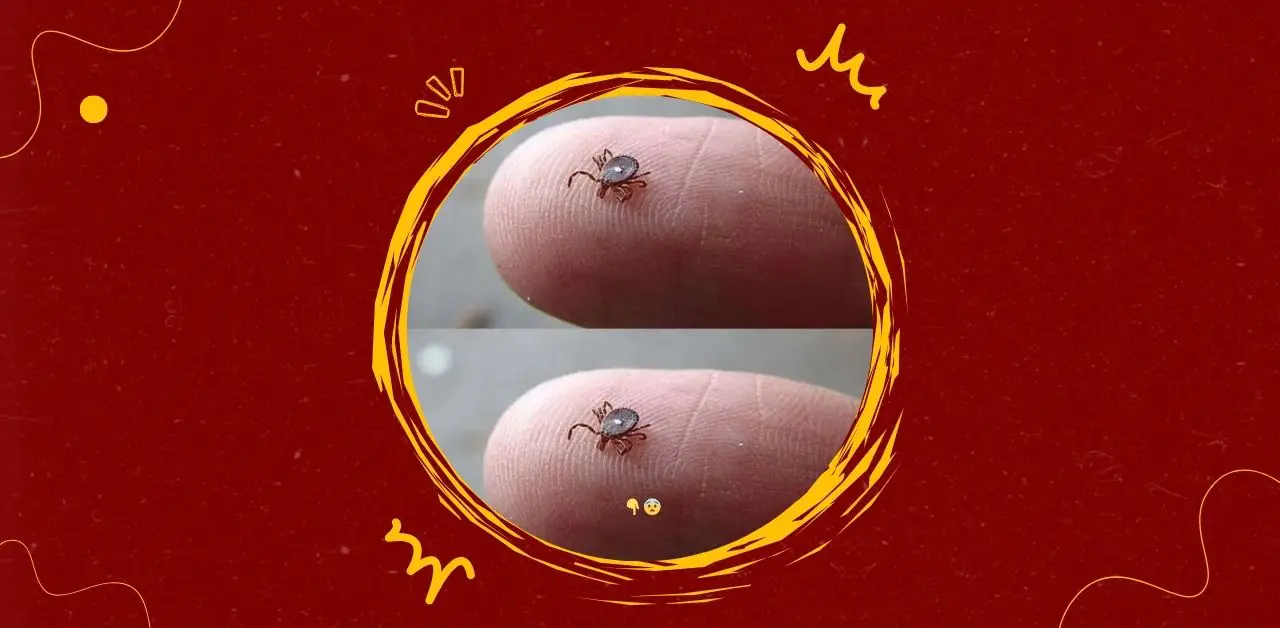
Finding a small, dark insect crawling on a child’s skin after a walk in the woods can be alarming. Ticks are tiny arachnids that feed on blood and are common in grassy, wooded, or humid environments. Their appearance—rounded body, reddish‑brown legs, and sometimes a pale or white spot—can cause concern, especially for parents worried about health risks. Understanding what ticks are, how to respond to a bite, and when to seek medical advice is essential for safety.
What Are Ticks?
Ticks are parasites related to spiders and mites. They attach to the skin of humans and animals to feed on blood. Some species have distinctive markings, including pale spots or patterns on their backs, which can make them look unusual.
Are Ticks Dangerous?
- Most tick bites are harmless, causing only mild redness or irritation.
- Some ticks can transmit illnesses such as Lyme disease or other tick‑borne infections.
- The risk of disease transmission increases the longer a tick remains attached.
What To Do If You Find a Tick
- Remove Safely:
- Use fine‑tipped tweezers to grasp the tick close to the skin.
- Pull upward steadily without twisting to avoid leaving mouthparts behind.
- Clean the Area:
- Wash the bite site with soap and water after removal.
- Dispose of the Tick:
- Seal it in a bag or flush it away.
- Monitor Symptoms:
- Watch for rash, fever, or flu‑like symptoms in the days following a bite.
When To Seek Medical Advice
- If the tick was attached and feeding.
- If your child develops a rash, swelling, or flu‑like symptoms.
- If you are unsure whether the tick was removed completely.
Prevention Tips
- Dress children in long sleeves and pants when walking in wooded or grassy areas.
- Use insect repellent recommended for tick protection.
- Check skin and clothing after outdoor activities, especially around legs, arms, and scalp.
- Keep yards trimmed and free of leaf litter to reduce tick habitats.
Conclusion
Ticks may look intimidating, especially when they have unusual markings, but most encounters are not dangerous. The key is safe removal, careful monitoring, and preventive measures to reduce future risk. If symptoms appear after a tick bite, consulting a healthcare professional ensures peace of mind and proper care.