
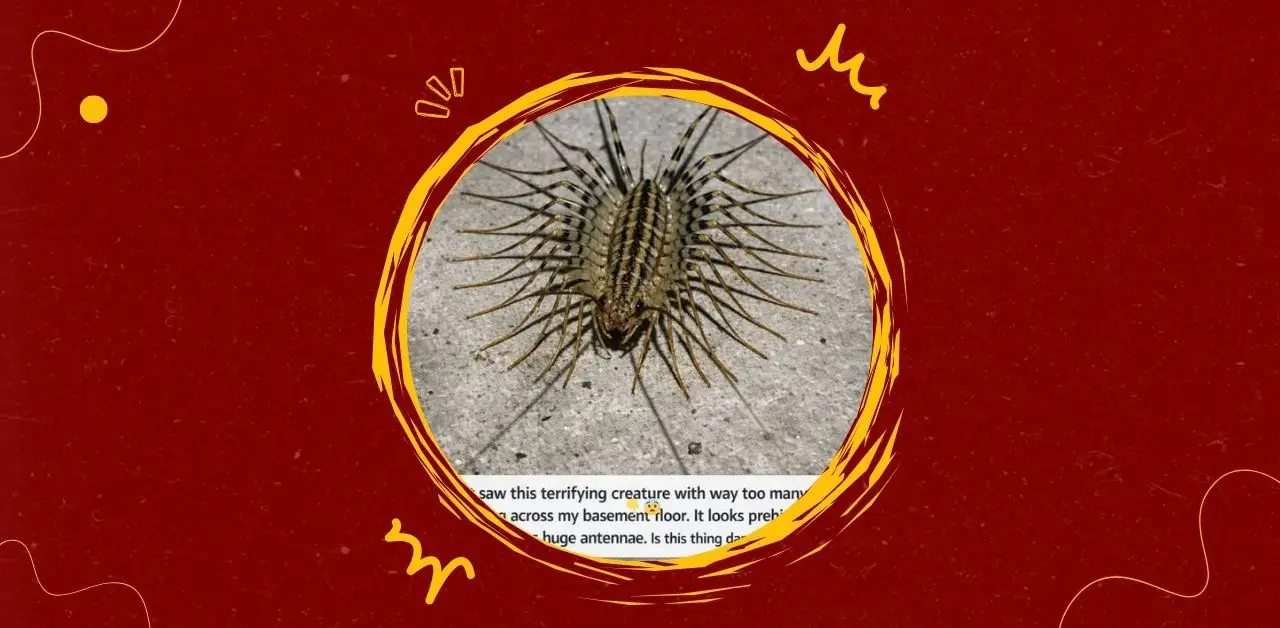
Spotting a house centipede darting across the floor can be alarming. With its long body, dozens of legs, and whip‑like antennae, it looks like something out of a prehistoric era. Despite its frightening appearance, dermatologists and pest experts emphasize that house centipedes are not dangerous to humans. In fact, they are often considered beneficial because they prey on other household pests.
What Is a House Centipede?
The house centipede (Scutigera coleoptrata) is a small arthropod commonly found in basements, bathrooms, and damp areas of homes. It has:
- A segmented body with dark stripes.
- Fifteen pairs of long, delicate legs.
- Two long antennae for sensing movement.
- A rapid, darting motion that makes it seem more threatening than it is.
Are House Centipedes Dangerous?
- To Humans: They are not harmful. House centipedes rarely bite, and when they do, the bite is mild and less painful than a bee sting. Most people never experience bites at all.
- To Pets: They pose no threat to cats or dogs.
- To Homes: They do not damage furniture, clothing, or structures.
Benefits of House Centipedes
Although unsettling to look at, house centipedes are natural pest controllers. They feed on:
- Cockroaches
- Ants
- Silverfish
- Termites
- Spiders
By keeping these pests in check, house centipedes contribute to a healthier indoor environment.
Why Do They Appear Indoors?
House centipedes are attracted to:
- Moisture: Basements, bathrooms, and kitchens provide damp conditions.
- Shelter: Cracks, crevices, and clutter offer hiding spots.
- Food: The presence of other insects draws them inside.
How to Manage Them
If you prefer not to have house centipedes indoors, consider these steps:
- Reduce Moisture: Use dehumidifiers and fix leaks.
- Seal Entry Points: Close cracks and gaps in walls, floors, and foundations.
- Declutter: Remove piles of paper, cardboard, or debris where they can hide.
- Control Other Pests: Since centipedes feed on insects, reducing their food source will discourage them from staying.
Conclusion
House centipedes may look intimidating, but they are not dangerous. They are beneficial predators that help control unwanted pests in your home. If their presence bothers you, simple measures like reducing moisture and sealing entry points can minimize encounters. Rather than fearing them, it helps to understand their role as part of the natural balance indoors.