
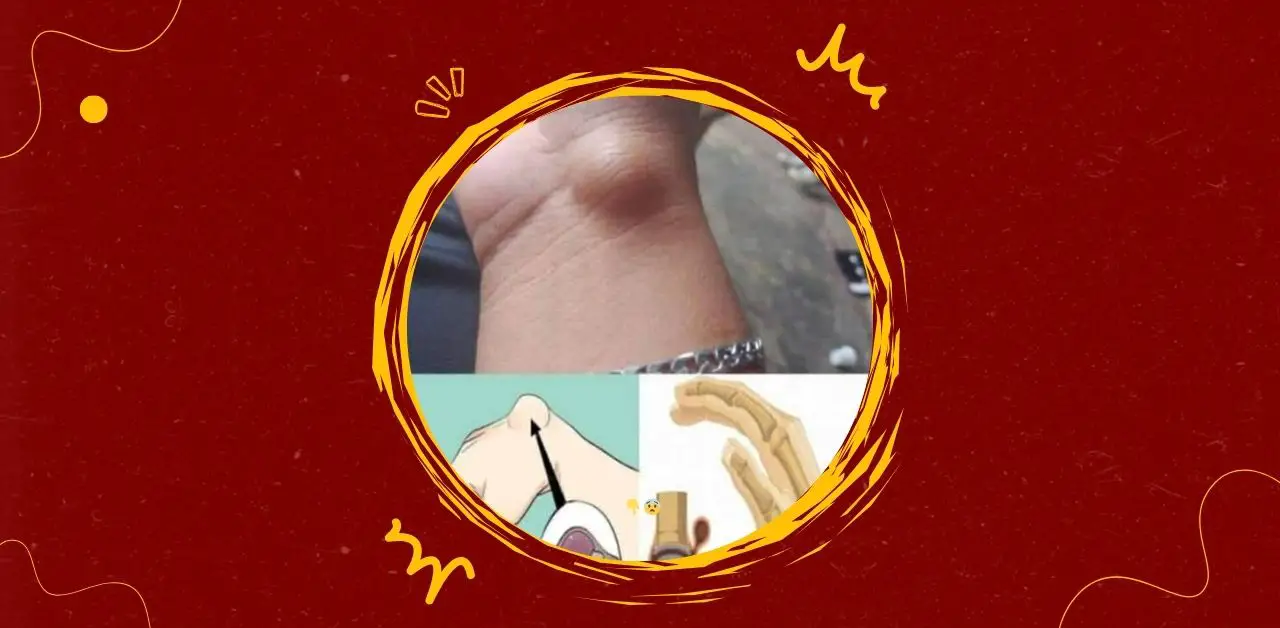
Ganglion cysts are noncancerous, fluid-filled lumps that most often appear on the wrist or hand. They can cause pain, tingling, or weakness if pressing on a nerve, but many are harmless and may disappear on their own. Treatment ranges from observation and splints to aspiration or surgical removal if symptoms persist.
📌 What Is a Ganglion Cyst?
- A ganglion cyst is a round or oval lump filled with jelly-like fluid.
- Commonly develops along tendons or joints of the wrist, hand, ankle, or foot.
- Size can vary, often enlarging with activity and shrinking with rest.
- They are benign (not cancerous) and pose no long-term health threat.
🔎 Causes and Risk Factors
- Exact cause unknown; thought to arise from joint or tendon lining bulging out.
- Age & Gender: Most common in women aged 20–40.
- Repetitive stress: Activities like gymnastics or jobs requiring wrist strain increase risk.
- Arthritis: Especially osteoarthritis in finger joints near the nails.
- Previous injury: Trauma to joints or tendons may predispose cyst formation.
⚠️ Symptoms
- Visible lump near wrist, hand, or finger joint.
- May cause pain, tingling, numbness, or weakness if pressing on nerves.
- Lump may change size with activity.
- Some cysts are hidden under the skin (occult ganglions) and detected only by imaging.
🩺 Diagnosis
- Physical exam: Doctors check lump’s size, tenderness, and translucence with a light.
- Imaging: X-rays rule out arthritis or bone tumors; MRI/ultrasound confirm cyst presence.
🛠️ Treatment Options
Nonsurgical
- Observation: Safe if painless; many cysts resolve naturally.
- Immobilization: Splints or braces reduce activity-related swelling.
- Aspiration: Needle drainage of fluid; relief may be temporary as cysts often recur.
Surgical
- Excision (ganglionectomy): Removal of cyst and its stalk/root.
- Usually outpatient; recovery in 2–6 weeks.
- Small chance of recurrence (5–15%).
✅ Key Takeaways
- Ganglion cysts are common, benign, and often harmless.
- Seek medical advice if the lump causes pain, weakness, or cosmetic concern.
- Non-surgical care is often effective, but surgery may be needed if symptoms persist or cysts recur.
- They rarely cause permanent disability and most patients recover fully after treatment.