
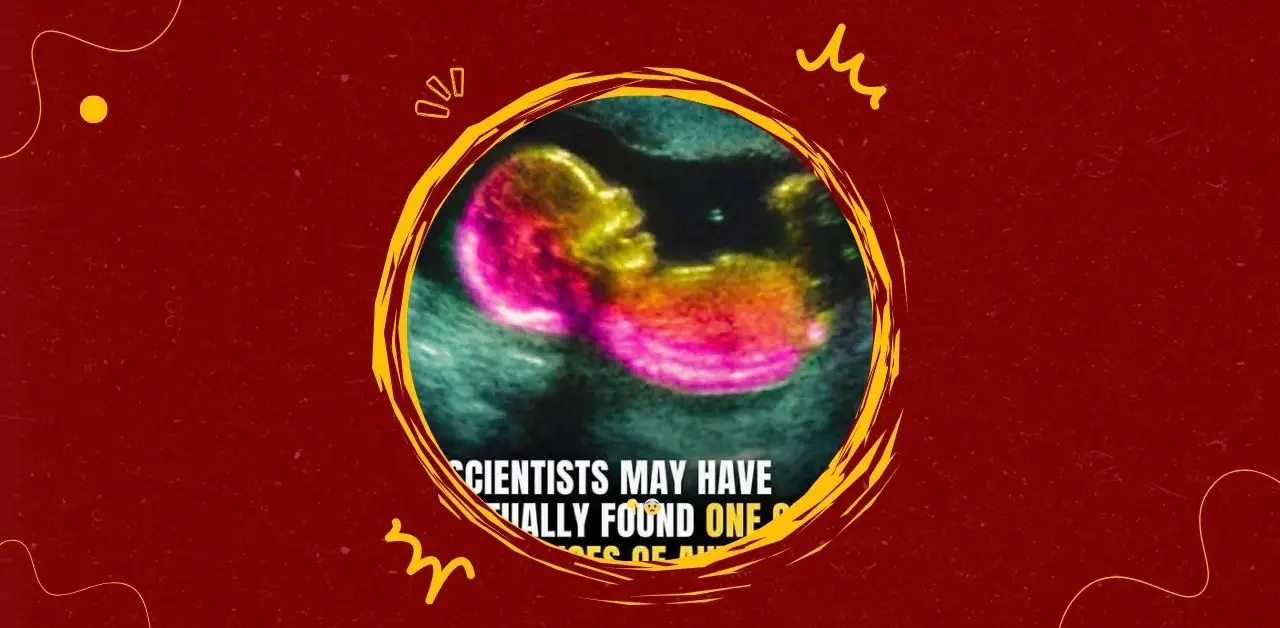
Autism spectrum disorder (ASD) is a complex neurodevelopmental condition characterized by differences in communication, social interaction, and behavior. For decades, scientists have sought to understand its origins, recognizing that autism does not stem from a single cause but rather from a combination of genetic, biological, and environmental influences. Recent research continues to shed light on possible contributing factors, offering new perspectives on how autism develops and how early interventions may be designed.
Genetic Foundations
Genetics play a significant role in autism. Studies have identified hundreds of genes associated with brain development and function that may contribute to ASD. These genes influence how neurons connect and communicate, shaping the architecture of the brain. While no single gene causes autism, combinations of genetic variations increase susceptibility. Family studies and twin research strongly support the idea that heritability is a major factor.
Prenatal and Developmental Influences
Beyond genetics, prenatal development is critical. Scientists have investigated how factors such as maternal health, immune responses, and exposure to toxins during pregnancy may affect fetal brain development. For example:
- Maternal immune activation: Infections during pregnancy may trigger immune responses that influence neurodevelopment.
- Nutritional factors: Deficiencies in folate or other essential nutrients during pregnancy have been linked to higher risks of developmental differences.
- Environmental exposures: Certain chemicals or pollutants may interfere with brain development, though evidence remains under study.
These findings suggest that the prenatal environment interacts with genetic predispositions, shaping outcomes in complex ways.
Brain Structure and Connectivity
Research using imaging technologies has revealed differences in brain structure and connectivity among individuals with autism. Some studies show variations in the size of certain brain regions, while others highlight differences in how networks communicate. These differences may explain challenges in social interaction, sensory processing, and communication. Importantly, such findings emphasize that autism is rooted in biology rather than external behaviors alone.
Early Developmental Signals
Scientists have also explored early developmental markers that may indicate autism risk. Differences in eye contact, response to social cues, or sensory sensitivities can appear in infancy. Identifying these signals allows for earlier support, which can improve outcomes by fostering communication and adaptive skills during critical developmental windows.
The Role of Environment and Interaction
While genetics and biology are central, environment and interaction also shape development. Supportive caregiving, early education, and therapeutic interventions can significantly influence how individuals with autism thrive. This highlights the importance of understanding autism not only in terms of causes but also in terms of opportunities for growth and adaptation.
Conclusion
Autism spectrum disorder arises from a complex interplay of genetic, prenatal, and environmental factors. Scientists continue to uncover potential causes, ranging from genetic variations to prenatal influences and differences in brain connectivity. While research has advanced, autism remains a multifaceted condition with diverse presentations. Recognizing its biological roots helps reduce stigma and emphasizes the importance of early support and inclusive environments. Ultimately, the search for causes is not only about understanding autism but also about creating pathways for individuals to live fulfilling, empowered lives.