
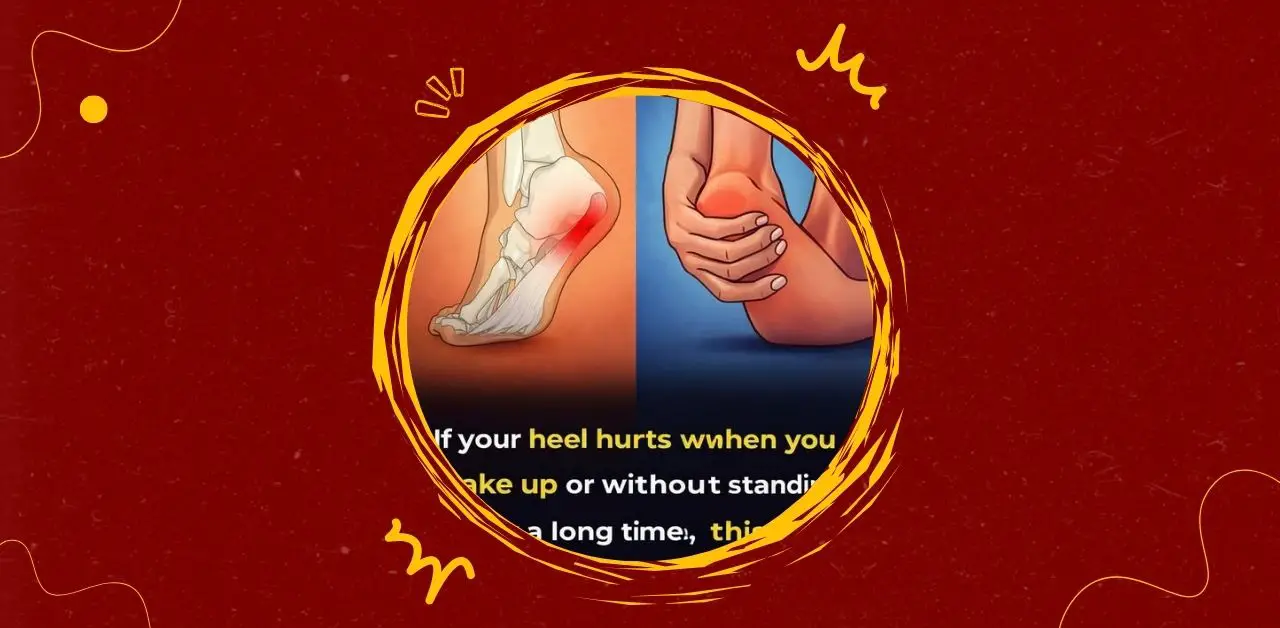
Heel pain is a common issue that many people notice when they first wake up or after sitting for long periods. The discomfort often eases once you start moving, but the underlying cause is usually linked to how the foot’s tissues respond to rest and strain. Understanding why this happens can help you manage it better and prevent long-term problems.
The Most Common Cause: Plantar Fasciitis
- What it is: Inflammation of the plantar fascia, a thick band of tissue running along the bottom of the foot that supports the arch.
- Why mornings are worse: During sleep or rest, the fascia tightens. When you take your first steps, the sudden stretch causes sharp pain in the heel.
- Typical signs: Pain at the bottom of the heel, worse with the first steps of the day, improving with movement but returning after long periods of sitting.
Other Possible Causes
- Heel Spurs
- Calcium deposits that form on the heel bone.
- Often linked to plantar fasciitis, adding extra pressure and pain.
- Achilles Tendon Tightness
- The tendon connecting calf muscles to the heel can stiffen overnight.
- Morning steps stretch it suddenly, causing discomfort.
- Arthritis
- Joint inflammation in the foot can cause stiffness and pain after rest.
- Nerve Compression
- Conditions like tarsal tunnel syndrome can create burning or tingling heel pain.
Self-Care and Relief Strategies
- Stretch before standing: Flex your foot and stretch your calf muscles before getting out of bed.
- Supportive footwear: Wear shoes with cushioned soles and good arch support.
- Avoid barefoot walking on hard floors: This increases strain on the heel.
- Ice massage: Roll a frozen water bottle under your foot for 10–15 minutes to reduce inflammation.
- Gentle exercise: Walking or light stretching helps keep tissues flexible.
When to Seek Medical Advice
- Pain persists for more than a few weeks.
- Discomfort worsens despite home care.
- You notice swelling, redness, or difficulty walking.
- Pain spreads beyond the heel into the arch or ankle.
Final Note
Heel pain in the morning is often a sign that your foot tissues are under stress, most commonly from plantar fasciitis. While it usually improves with movement, consistent care—stretching, supportive footwear, and gentle exercise—can make a big difference. If the pain continues or worsens, consulting a healthcare professional ensures you get the right treatment and prevent further complications.