
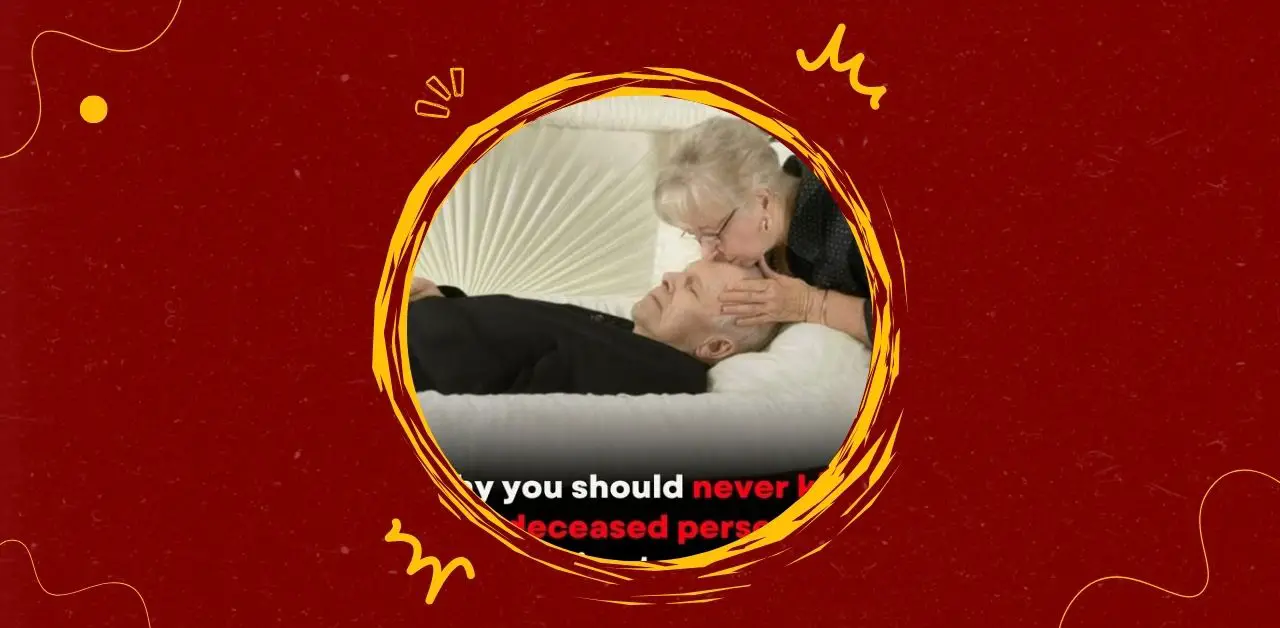
Funerals are deeply emotional moments. Acts of affection—like kissing a loved one goodbye—can feel natural and comforting. Yet medical experts caution against physical contact with the deceased, especially kissing, due to health and safety concerns. Understanding why can help families honor traditions while protecting themselves.
🧠 The Medical Risks
- Bacterial Transmission: After death, the body’s immune system no longer functions. Bacteria that were harmless during life can multiply unchecked, potentially spreading to those who touch or kiss the body.
- Viral Concerns: Certain viruses may remain active for hours or even days after death. Direct contact with mucous membranes (mouth, nose, eyes) increases the risk of transmission.
- Chemical Exposure: If the body has been embalmed, chemicals like formaldehyde may be present on the skin or lips. These substances are not safe for ingestion or prolonged contact.
- Open Wounds or Fluids: In some cases, bodily fluids may still be present, posing additional infection risks.
🌍 Cultural Practices vs. Medical Advice
In many cultures, kissing or touching the deceased is a way of showing respect and love. Doctors acknowledge the importance of these rituals but advise safer alternatives:
- Gentle Touch on the Hand or Clothing: Less risk of exposure compared to kissing the face.
- Symbolic Gestures: Placing flowers, saying prayers, or writing farewell notes can provide closure without physical contact.
- Viewing Without Touching: Simply being present and expressing grief verbally can be equally meaningful.
🛡️ Safer Ways to Say Goodbye
- Verbal Farewell: Whispering words of love or gratitude.
- Personal Tokens: Leaving a keepsake, letter, or photo in the casket.
- Group Rituals: Singing, chanting, or collective prayers that honor the deceased without physical contact.
⚖️ Balancing Emotion and Safety
Grief often overrides caution, and families may feel compelled to kiss their loved one one last time. Doctors emphasize that while the gesture is understandable, it’s important to weigh emotional comfort against potential health risks. Choosing safer alternatives ensures that the farewell remains heartfelt without compromising well-being.
✅ Final Thoughts
Kissing a deceased loved one may feel like the ultimate act of devotion, but medical experts advise against it. Respecting both cultural traditions and health guidelines allows families to honor their loved ones safely. In the end, love is not measured by physical contact—it’s carried in memory, ritual, and the bonds that endure beyond life.