
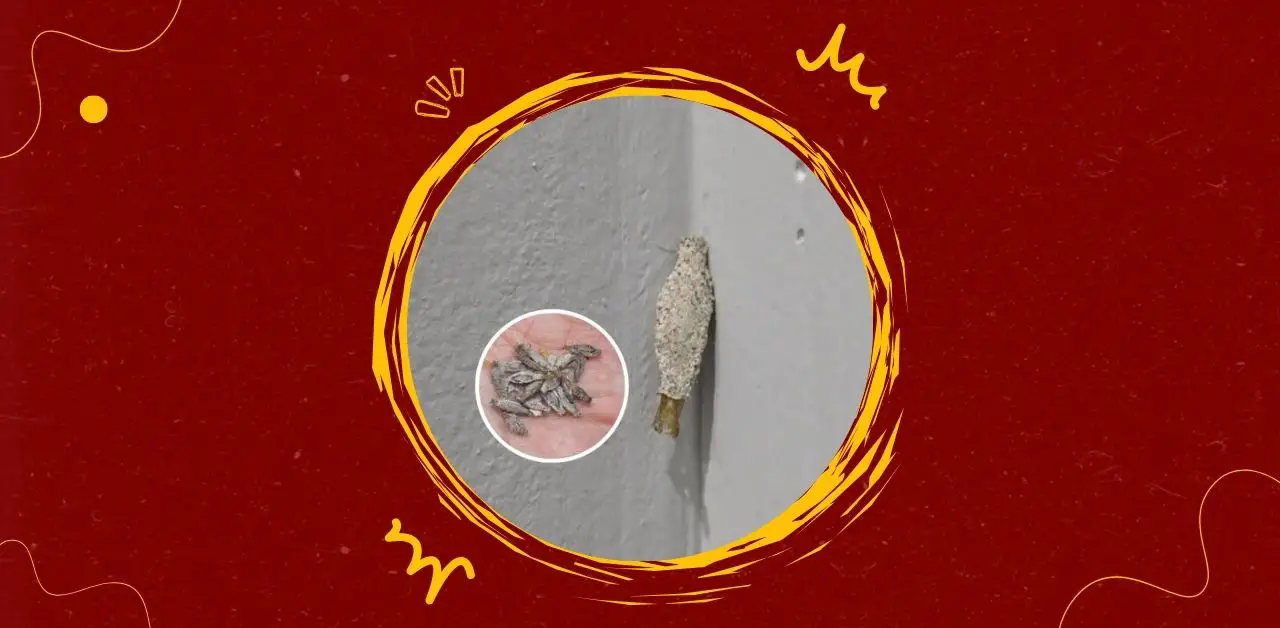
Bagworms are small but destructive insects that can cause significant damage if left unchecked. While they are most commonly associated with trees and shrubs, they can occasionally be found on walls, fences, or other structures around the home. Their presence indoors or on exterior walls is a warning sign that they may be spreading nearby. Regular inspection of your walls and surroundings helps prevent infestations from escalating and protects both your property and garden.
What Are Bagworms?
Bagworms are the larvae of a type of moth. They construct protective cases, or “bags,” made of silk and materials from their environment such as twigs, leaves, or sand. These cases camouflage them and make them difficult to spot. The larvae live inside these bags, feeding on foliage and expanding their cases as they grow.
- Appearance: Elongated, textured cases that blend with surroundings.
- Behavior: They remain attached to surfaces while feeding or resting.
- Lifecycle: Eggs hatch in spring, larvae feed through summer, and pupation occurs inside the bag.
Why They Appear on Walls
Bagworms typically attach to trees, but walls and fences can serve as resting or pupation sites. If you notice them on walls, it may mean:
- Nearby vegetation is infested.
- They are seeking sheltered spots to pupate.
- They are spreading beyond their usual habitat.
Risks of Bagworm Infestation
- Damage to Plants: Bagworms feed on leaves and needles, stripping trees and shrubs of foliage. Severe infestations can kill plants.
- Spread: Once established, they can multiply quickly, with each female producing hundreds of eggs.
- Structural Presence: While they don’t damage walls directly, their presence indicates a larger infestation nearby.
How to Identify Them
- Look for small, hanging cases attached to walls, fences, or plants.
- Cases may appear like bits of debris but contain larvae inside.
- In summer, you may see movement as larvae extend from the bag to feed.
Prevention and Control
- Regular Inspection: Check walls, fences, and plants for bagworm cases, especially in spring and summer.
- Manual Removal: If only a few are present, remove and destroy the bags before eggs hatch.
- Garden Care: Keep trees and shrubs healthy, as stressed plants are more vulnerable.
- Professional Help: For larger infestations, pest control services may be necessary.
Safety Considerations
Bagworms themselves are not harmful to humans, but their infestations can devastate gardens. Removing them early prevents long-term damage. Always wear gloves when handling them to avoid direct contact with larvae.
Conclusion
Bagworms are small insects with the potential to cause big problems. Their presence on walls is a sign that they may be spreading from nearby vegetation. By checking your walls regularly, you can catch infestations early, protect your plants, and maintain a healthier environment. Prevention and vigilance are key—removing bagworms before they multiply ensures your home and garden remain safe from their destructive impact.