
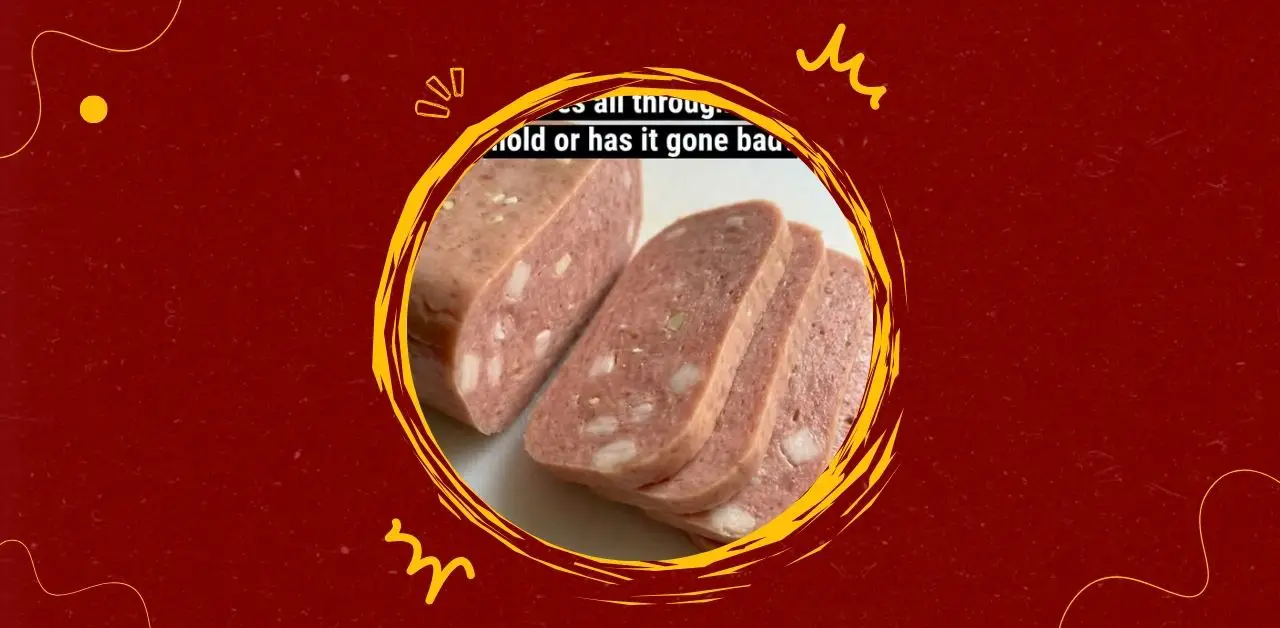
Spam is a processed meat product made from pork, ham, salt, water, sugar, and preservatives. Because of its texture and preparation, it can sometimes contain unusual-looking bits that raise questions about whether the product is safe to eat. One common concern is the appearance of hard white pieces inside the loaf. While many assume this could be mold or spoilage, the reality is usually different.
What the White Pieces Usually Are
- Fat Deposits
- Pork naturally contains fat, and during processing, small pockets of fat can solidify into white specks.
- These are harmless and part of the meat’s composition.
- Salt Crystals
- In some cases, the curing process can cause salt to crystallize, appearing as hard white flecks.
- This is not a sign of spoilage but rather a byproduct of preservation.
- Protein Separation
- When meat is cooked and processed, proteins can bind unevenly, leaving lighter-colored fragments.
- These may look unusual but are safe to consume.
Signs of Spoilage to Watch For
While white pieces are usually natural, it’s important to recognize when Spam has actually gone bad:
- Unpleasant odor (sour or rancid smell).
- Slimy texture on the surface.
- Discoloration (green, black, or fuzzy growth).
- Swollen or leaking can before opening.
If any of these signs are present, the product should not be eaten.
Storage Tips for Safety
- Unopened cans: Store in a cool, dry place.
- Opened Spam: Keep in an airtight container in the refrigerator and consume within 3–5 days.
- Freezing: Spam can be frozen to extend shelf life, though texture may change slightly.
Conclusion
The hard white pieces you sometimes see in Spam are usually fat deposits, salt crystals, or natural protein fragments—not mold or spoilage. As long as the product smells fresh, looks normal, and has been stored properly, it is safe to eat. Paying attention to clear signs of spoilage is the best way to ensure food safety.