
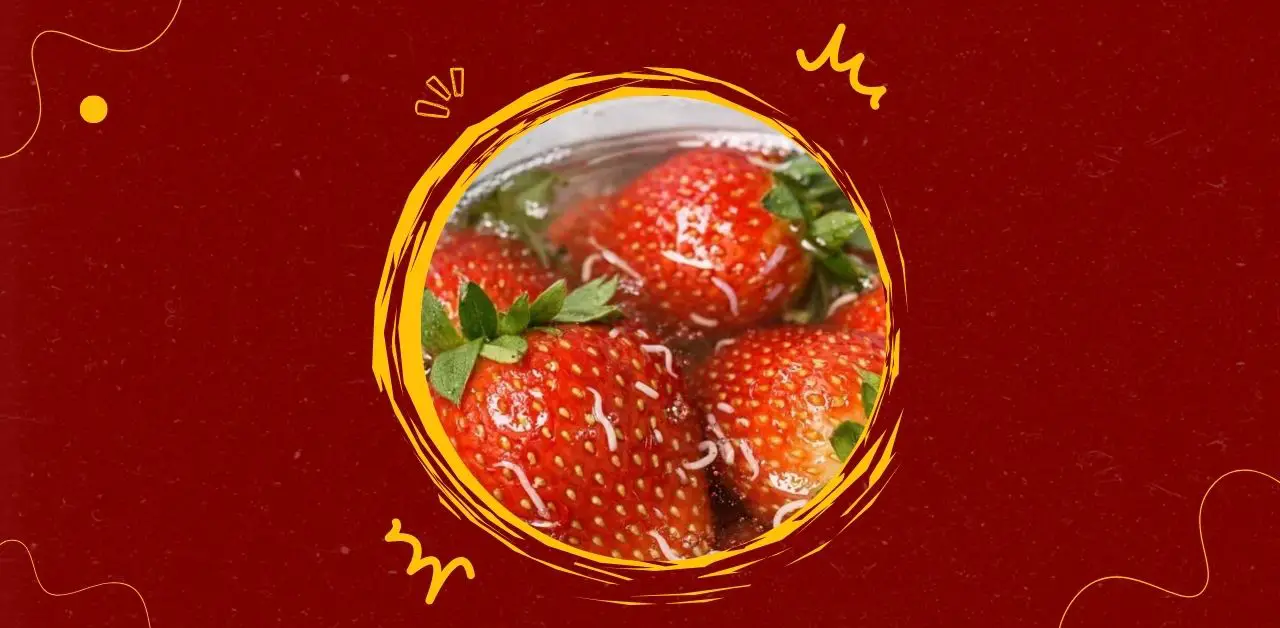
Many people are surprised when soaking strawberries in salt water reveals tiny white, worm-like organisms wriggling out of the fruit. While this can be unsettling, it is actually a natural occurrence linked to how strawberries grow and the environments they thrive in. Understanding why this happens can help consumers make informed choices about food safety and preparation.
Why It Happens
Strawberries grow close to the ground, often in moist environments where insects and larvae can thrive. The small white organisms that sometimes emerge are typically larvae of fruit flies or other tiny insects. These larvae can burrow into the fruit while it is developing, feeding on sugars and plant tissue. Because strawberries are porous and soft, they are more susceptible to such infestations compared to thicker-skinned fruits.
The Role of Salt Water
When strawberries are soaked in salt water, the solution creates an environment that irritates or dislodges any hidden larvae. The salt penetrates the fruit’s surface, forcing the organisms to wriggle out. This is why salt water is often recommended as a cleaning method—it reveals what may otherwise remain unseen.
Is It Harmful?
The presence of larvae in strawberries is generally not harmful to human health. These organisms are tiny and often consumed unknowingly when eating fresh fruit. However, for many people, the idea of eating fruit with hidden pests is unpleasant. Washing and soaking strawberries can reduce this concern.
Food Safety Practices
To minimize the risk of consuming unwanted organisms, consider the following steps:
- Rinse thoroughly: Wash strawberries under running water before eating.
- Salt water soak: Soak in a salt water solution for 5–10 minutes to draw out hidden pests.
- Vinegar rinse: A mild vinegar solution can also help clean fruit and reduce bacteria.
- Inspect carefully: Check for visible damage or holes in strawberries before purchase.
- Choose fresh sources: Buying from trusted suppliers or local farms may reduce the likelihood of infestation.
Emotional Perspective
Discovering worms in strawberries can be unsettling, but it is important to remember that this is a natural part of farming and fruit production. Many fruits and vegetables host small organisms that are harmless when consumed. The key is practicing good cleaning habits to ensure peace of mind.
Final Thought
Soaking strawberries in salt water and seeing white worms emerge is a reminder of the natural world hidden within our food. While it may be surprising, it is not dangerous. With proper washing and preparation, strawberries remain a safe, delicious, and nutritious fruit. Understanding this phenomenon helps consumers appreciate the importance of food safety while continuing to enjoy one of nature’s sweetest treats.