
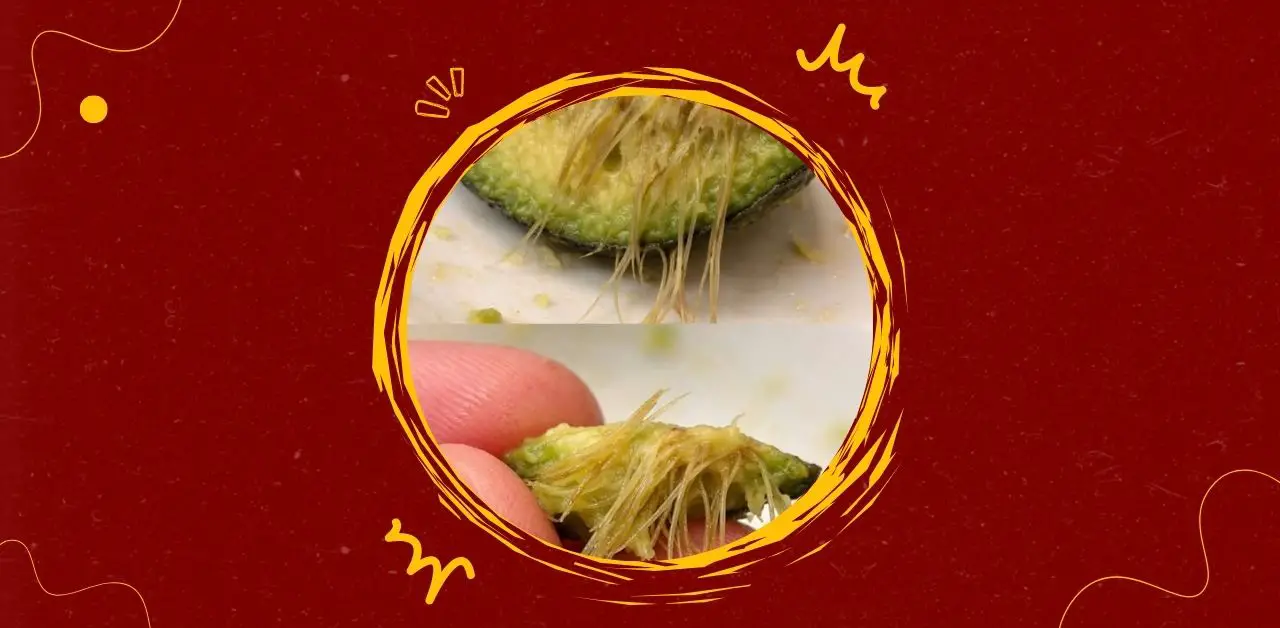
Avocados are celebrated worldwide for their creamy texture, rich flavor, and versatility in both savory and sweet dishes. However, not every avocado meets expectations. Sometimes, when you cut into one, instead of smooth flesh you find stringy fibers running through it. This fibrous texture can be surprising and even disappointing, especially if you were expecting the buttery consistency that avocados are known for. Understanding why this happens requires looking at the fruit’s growth, ripening process, and environmental factors.
What Causes Fibrous Avocados?
1. Overripe Fruit
When avocados are left on the tree or stored too long after ripening, their flesh can develop fibers. As the fruit ages, cell walls break down unevenly, leading to stringy strands.
2. Varietal Differences
Not all avocados are the same. Some varieties naturally have more fibrous flesh than others. For example, certain tropical cultivars are more prone to stringiness compared to the popular Hass variety, which is known for its creamy texture.
3. Growing Conditions
Environmental stress plays a role. Avocados grown in poor soil, exposed to drought, or subjected to irregular watering may develop fibrous flesh. The tree responds to stress by producing tougher tissue, which shows up as fibers in the fruit.
4. Handling and Storage
Improper storage—such as keeping avocados in overly warm or humid conditions—can accelerate ripening and cause uneven texture. Similarly, bruising during transport can damage the flesh, leading to stringy patches.
Is It Safe to Eat?
Yes, fibrous avocados are safe to eat. The fibers are simply part of the fruit’s natural structure. While the texture may be less appealing, the nutritional value remains intact. Avocados are still rich in healthy fats, fiber, potassium, and vitamins, even when stringy.
How to Use Fibrous Avocados
- Smoothies: Blend them with other fruits and liquids to mask the texture.
- Dressings and sauces: Pureeing fibrous avocados with lemon juice, olive oil, and herbs creates a creamy dressing where fibers are less noticeable.
- Baking: Use mashed avocado in cakes or brownies, where texture is hidden in the batter.
- Spreads: Mash thoroughly with seasonings for toast or sandwiches; fibers soften when mixed.
Preventing Fibrous Avocados
- Choose the right variety: Hass avocados are less likely to be fibrous compared to other types.
- Check ripeness: Gently press the avocado; it should yield slightly but not feel mushy. Overripe fruit is more likely to be stringy.
- Store properly: Keep unripe avocados at room temperature. Once ripe, refrigerate to slow further ripening.
- Buy from reliable sources: Avocados handled carefully during transport are less likely to develop damaged, fibrous flesh.
Conclusion
Fibrous avocados may not deliver the silky texture most people expect, but they are still nutritious and usable in many recipes. The stringiness often results from variety, growing conditions, or overripeness rather than any flaw in the fruit’s safety. By understanding why this happens and learning how to use fibrous avocados creatively, you can still enjoy their flavor and health benefits.
Instead of discarding them, think of fibrous avocados as an opportunity to experiment—whether in smoothies, baked goods, or sauces. Each avocado, creamy or stringy, is a reminder of nature’s variability and the importance of appreciating food in all its forms.