
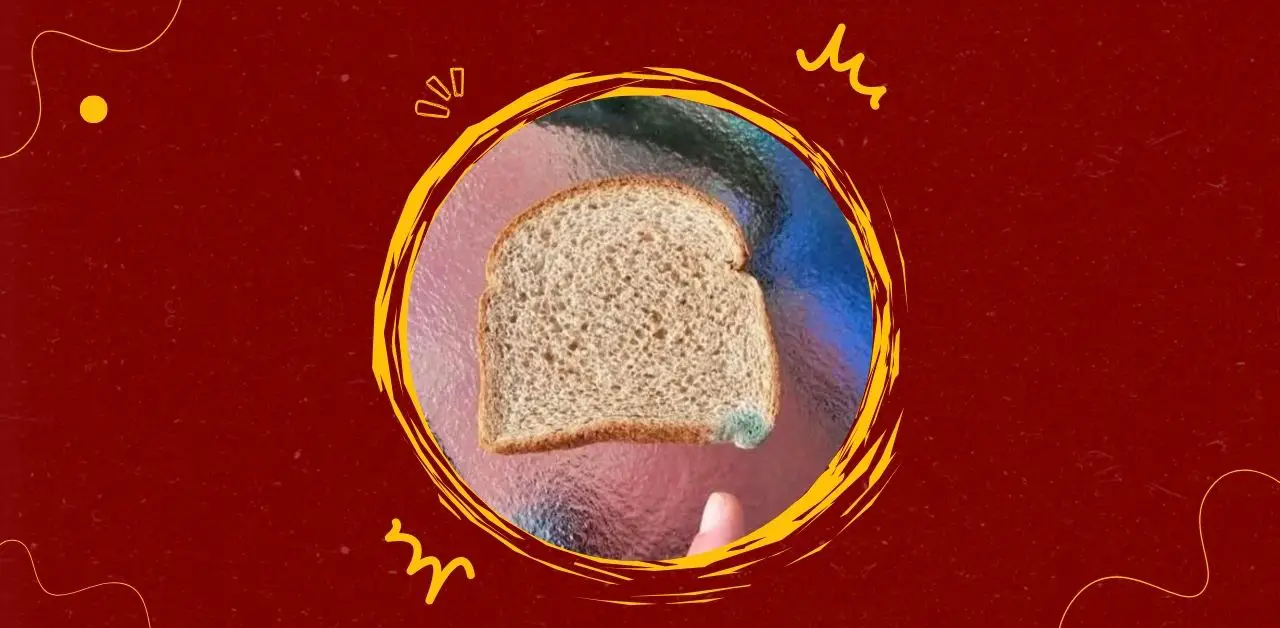
- Invisible Spread: Mold doesn’t just stay on the surface. Even if you cut away the green or fuzzy patch, the rest of the bread may already be contaminated.
- Mycotoxins: Some molds produce toxic compounds called mycotoxins, which can be harmful if ingested. These toxins are resistant to heat, so toasting or baking won’t make the bread safe.
- Health Risks: Eating moldy bread can lead to nausea, vomiting, diarrhea, or allergic reactions. People with weakened immune systems are especially vulnerable.
- Cross-Contamination: Mold spores can spread to other foods stored nearby, accelerating spoilage.
Why People Sometimes Think It’s Safe
Older generations often believed that cutting off the moldy part was enough, especially when food scarcity made people reluctant to waste anything. While this practice may have seemed practical, modern food safety knowledge shows that it’s risky. Bread is porous, and mold can spread quickly throughout the loaf. Unlike hard cheeses or firm vegetables, where mold can sometimes be safely trimmed away, bread is too soft and absorbent to guarantee safety.
Safe Practices for Bread Storage
- Cool, Dry Storage: Keep bread in a cool, dry place. Humidity accelerates mold growth.
- Freezing: If you don’t plan to eat bread quickly, freeze it. Frozen bread can last for weeks without mold.
- Refrigeration: While refrigeration slows mold growth, it can make bread stale faster. Freezing is a better option.
- Proper Packaging: Store bread in airtight bags or containers to reduce exposure to moisture and spores.
What To Do If Bread Is Moldy
- Dispose Safely: Throw away the entire loaf. Do not attempt to salvage it.
- Clean Surroundings: Wipe down the storage area to prevent spores from contaminating other foods.
- Check Other Foods: Inspect nearby items for signs of mold, as spores can spread easily.
Emotional Aspect of Food Waste
It’s understandable to feel reluctant about throwing away food, especially when you’ve invested money and effort into buying or baking it. However, food safety must come first. The small cost of replacing bread is far less than the potential health risks of consuming mold. Choosing to discard moldy bread is not wasteful—it’s responsible. You’re protecting yourself and your family from illness.
Conclusion
Bread with visible mold should never be eaten, even if only a small patch is present. Mold spreads invisibly, produces harmful toxins, and poses real health risks. The safest choice is to discard the entire loaf and take steps to store bread properly in the future. Freezing extra bread, buying smaller quantities, and keeping storage areas clean are all effective ways to reduce waste while ensuring safety. In the end, prioritizing health over saving a few slices is always the wiser decision.