
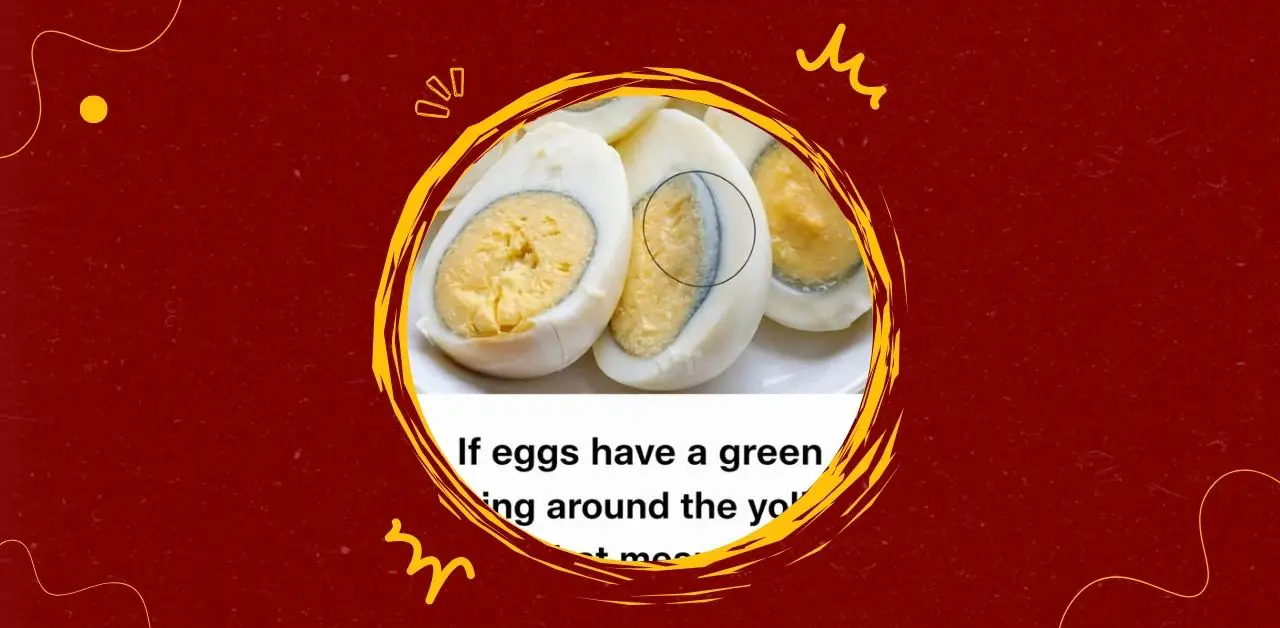
Hard-boiled eggs are a staple in kitchens worldwide, valued for their simplicity, nutrition, and versatility. Yet, many people notice a curious phenomenon when preparing them: a greenish-gray ring forming around the yolk. While it may look unusual, this ring is a common occurrence and has a straightforward explanation. Understanding why it happens not only eases concerns but also helps improve cooking techniques to achieve perfectly boiled eggs every time.
The Science Behind the Ring
The green ring around the yolk is the result of a natural chemical reaction. When eggs are boiled for too long or at too high a temperature, sulfur from the egg white reacts with iron in the yolk. This reaction produces ferrous sulfide, which appears as a green or gray discoloration. Though the color may seem unappetizing, the egg is still safe to eat. The ring is purely cosmetic and does not affect the nutritional value of the egg.
Common Causes
Several factors contribute to the formation of the ring:
- Overcooking: Prolonged boiling increases the chance of sulfur and iron combining.
- High Heat: Cooking eggs at a rapid boil rather than a gentle simmer accelerates the reaction.
- Iron Content in Water: Water with higher iron levels can intensify the discoloration.
- Cooling Method: Allowing eggs to cool slowly after boiling can also encourage the ring to form.
Recognizing these causes helps in adjusting cooking methods to minimize the effect.
How to Prevent the Ring
Achieving perfectly yellow yolks without discoloration is possible with a few simple steps:
- Gentle Cooking: Place eggs in a pot of cold water, bring to a gentle boil, then reduce heat to a simmer.
- Timing: Cook eggs for 9–12 minutes depending on size. Avoid boiling for longer periods.
- Rapid Cooling: Transfer eggs immediately to an ice water bath after cooking. This halts the reaction and makes peeling easier.
- Proper Storage: Keep boiled eggs refrigerated to maintain freshness and prevent further changes in appearance.
These techniques ensure eggs remain visually appealing and delicious.
Nutritional Value Remains Intact
Despite the discoloration, eggs with a green ring are still nutritious. They retain their protein, vitamins, and minerals, making them a valuable food source. The ring does not indicate spoilage or harm—it is simply a sign of cooking conditions. This reassurance allows individuals to enjoy their eggs without worry, even if the yolk appears less vibrant.
Culinary Perspective
In professional kitchens, presentation matters, so chefs often take extra care to avoid the green ring. However, in home cooking, the focus is often on taste and nutrition. Whether served in salads, sandwiches, or eaten on their own, hard-boiled eggs remain versatile and satisfying. The green ring may be a minor aesthetic issue, but it does not diminish the egg’s role as a wholesome ingredient.
Conclusion
The green ring around hard-boiled egg yolks is a natural reaction between sulfur and iron, triggered by overcooking or improper cooling. While it may look unusual, it is harmless and does not affect the egg’s nutritional value. By adjusting cooking methods—using gentle heat, proper timing, and rapid cooling—you can enjoy perfectly boiled eggs with bright yellow yolks. This simple knowledge transforms a common kitchen mystery into an opportunity for better cooking, ensuring that every egg is as appealing as it is nourishing.