
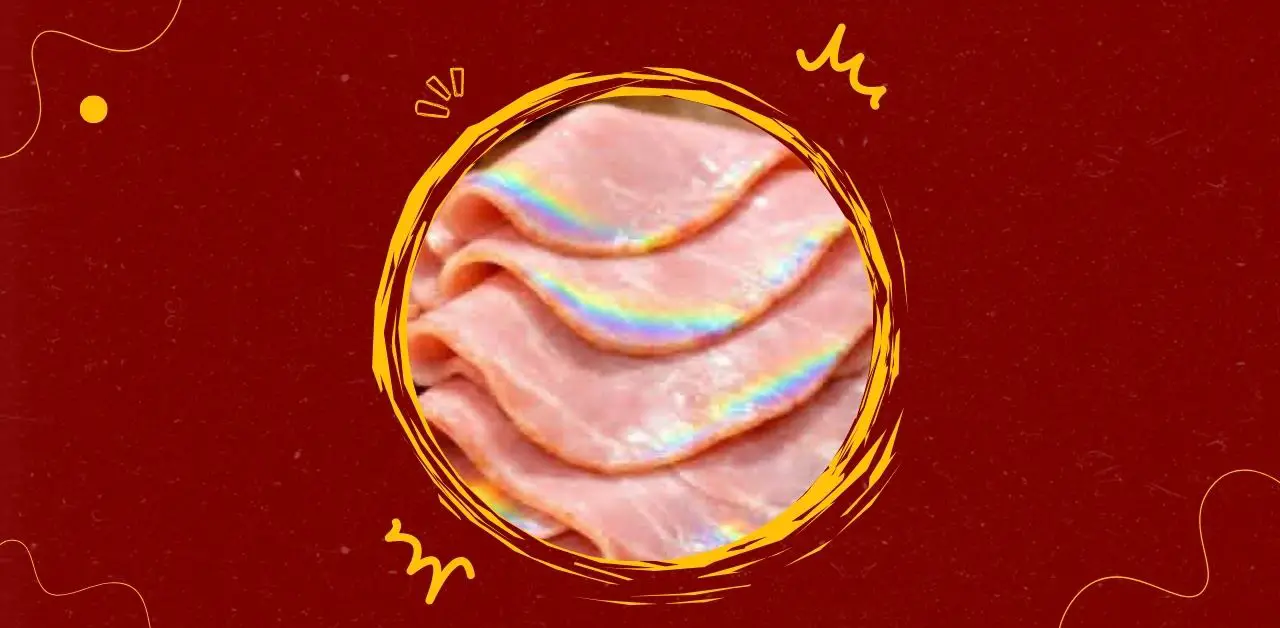
If you’ve ever sliced into ham and noticed a colorful, iridescent shine across its surface, you’re not alone. This phenomenon often sparks curiosity—and sometimes concern. Is it safe to eat? Is it a sign of spoilage? Or is it just a quirky trick of light? Let’s break down the science behind rainbow-colored ham and what it means for your kitchen.
🔬 The Science of Iridescence
The rainbow effect on ham is usually caused by light diffraction:
- Muscle fiber structure: Ham is made of tightly packed protein fibers. When sliced, these fibers can refract light in different directions.
- Thin film interference: Moisture and fat layers on the surface act like a prism, scattering light into rainbow colors.
- Angle of light: The effect is more visible under bright, direct lighting, especially on smooth, glossy cuts.
This is similar to the way oil slicks or soap bubbles create shimmering patterns.
🍖 Is Rainbow Ham Safe to Eat?
- Normal iridescence: If the ham smells fresh, looks moist, and is within its use-by date, the rainbow sheen is harmless.
- Spoilage signs: A sour odor, slimy texture, or dull gray color indicate spoilage—regardless of rainbow shine.
- Cured meats: Ham that has been smoked or cured is more likely to show iridescence due to its processing and surface texture.
In short: rainbow colors alone are not a sign of danger.
🧑🍳 Culinary Context
- Presentation: While safe, the rainbow sheen can look unusual. Some chefs trim slices or adjust lighting to minimize it.
- Other meats: Roast beef, turkey, and deli cuts can also show iridescence for the same reasons.
- Storage tips: Keeping ham properly wrapped and refrigerated reduces surface changes that enhance the effect.
🌟 Conclusion
The rainbow sheen on ham is a fascinating example of science meeting food. It’s not a sign of spoilage but rather a natural result of light interacting with muscle fibers and moisture. As long as your ham smells fresh and is stored correctly, it’s perfectly safe to enjoy—quirky colors and all.