
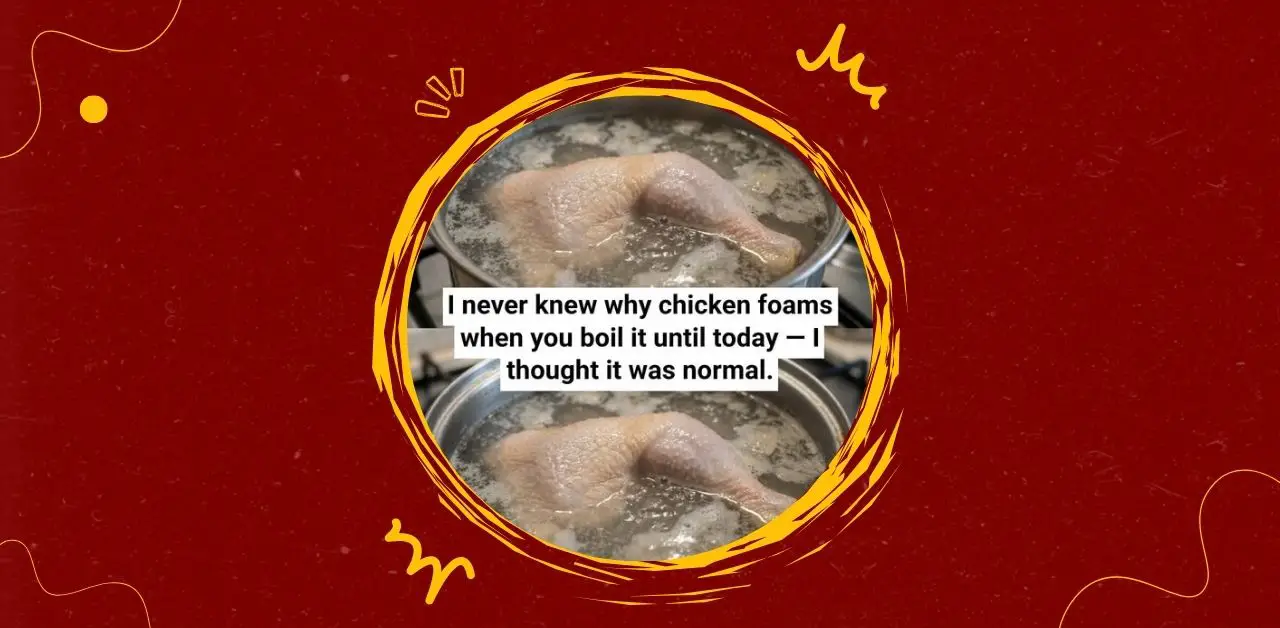
Anyone who has boiled chicken has likely noticed the frothy, grayish foam that rises to the surface of the pot. Many cooks wonder whether this is normal, safe, or even desirable. The truth is that foaming during boiling is a natural process, and understanding why it happens can help you improve both the flavor and appearance of your dishes. This article explores the science behind the foam, its implications for cooking, and practical tips for handling it.
🔬 The Science Behind the Foam
Chicken, like all meat, is made up of muscle fibers, connective tissue, fat, and proteins. When raw chicken is submerged in boiling water, several reactions occur:
- Protein denaturation: Heat causes proteins such as albumin to unravel and coagulate. These proteins escape from the muscle fibers and rise to the surface, forming foam.
- Impurities and blood residues: Even well-cleaned chicken contains traces of blood and tissue fluids. As the water heats, these substances are released and contribute to the frothy layer.
- Fat emulsification: Small amounts of fat melt into the water, mixing with proteins and creating bubbles that stabilize the foam.
In short, the foam is a combination of proteins, fats, and impurities being released as the chicken cooks.
🍴 Is the Foam Harmful?
The foam is not dangerous—it’s simply a byproduct of cooking. However, leaving it in the pot can affect the clarity and taste of your broth or soup. Foam can give the liquid a cloudy appearance and sometimes a slightly bitter or metallic flavor. For dishes where presentation and flavor purity matter, skimming the foam is recommended.
🌱 Culinary Practices Around the World
Different cuisines handle the foam in different ways:
- Clear broths (e.g., Japanese or French cooking): Chefs carefully skim off the foam to achieve a crystal-clear stock.
- Rustic stews (e.g., traditional village cooking): Foam is often left in, as it doesn’t significantly affect hearty, heavily seasoned dishes.
- Professional kitchens: Skimming is considered a mark of precision and care, ensuring the broth is clean and refined.
🥘 Practical Tips for Managing Foam
- Start with cold water: Place chicken in cold water and bring it gradually to a boil. This allows proteins to release slowly, making skimming easier.
- Skim early and often: Use a spoon or fine mesh skimmer to remove foam as soon as it appears.
- Blanching method: For ultra-clear broth, briefly boil the chicken, discard the water, rinse the meat, and then start fresh with clean water.
- Gentle simmering: Avoid a rolling boil. Vigorous bubbling breaks down proteins more aggressively, producing excess foam.
- Season later: Salt can draw out proteins faster. Add it after skimming for better clarity.
⚖️ Nutritional Considerations
While the foam contains proteins, they are minimal compared to what remains in the meat. Skimming does not significantly reduce the nutritional value of the dish. Instead, it enhances flavor and presentation, making the broth more appealing.
Conclusion
Chicken foaming during boiling is a perfectly natural occurrence caused by proteins, fats, and impurities being released into the water. Though harmless, the foam can cloud your broth and alter its taste. By skimming or blanching, you can achieve a cleaner, more refined result. Whether you choose to remove it or leave it depends on the dish you’re preparing, but understanding the process gives you control over your cooking.