
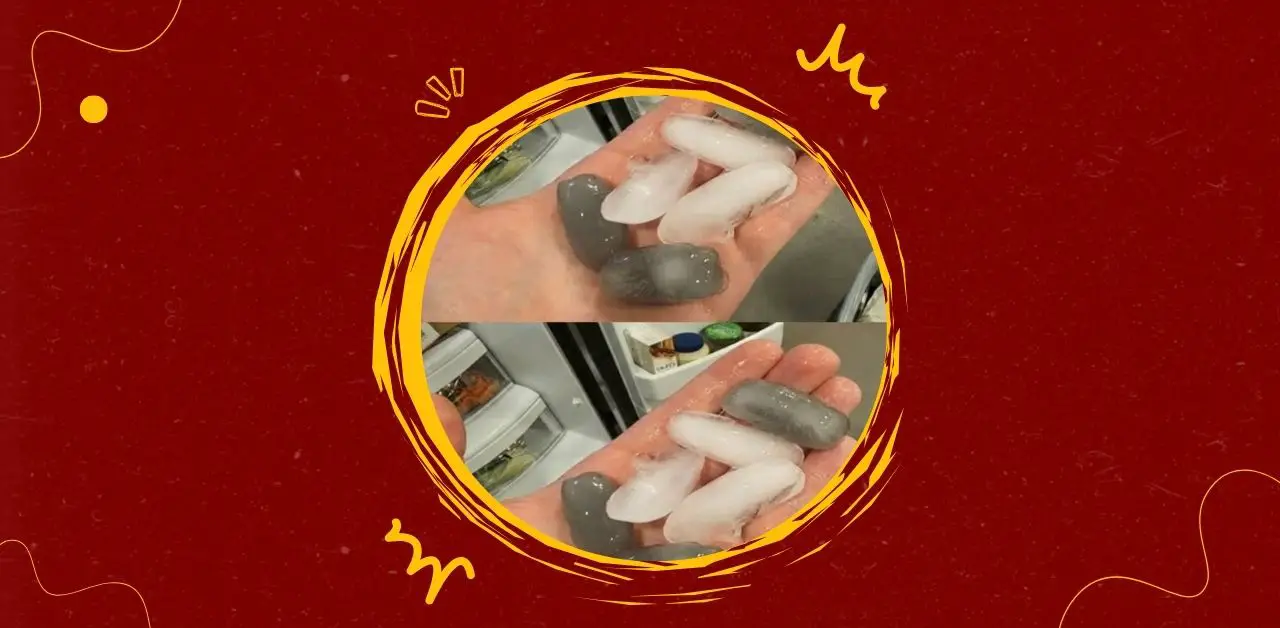
Discovering gray ice cubes in your refrigerator can be unsettling. You expect clear, refreshing ice, but instead see cloudy or even gray-tinted cubes. While this may raise concerns about safety, the good news is that gray ice is usually not dangerous. However, it does signal that your ice maker or water supply needs attention.
Common Causes of Gray Ice Cubes
- Dirt and Debris in the Ice Maker Over time, dust, food particles, or mineral buildup can accumulate inside the ice bin, mold, or dispenser chute. When new ice forms, these particles get trapped, resulting in gray or speckled cubes.
- Mineral Deposits from Hard Water If your home has hard water, minerals like calcium and magnesium can leave residue in the ice maker. These minerals can discolor the ice, giving it a grayish or cloudy appearance.
- Wear and Tear of Ice Maker Components In some cases, parts of the ice maker—such as the coating on the ice mold—can degrade over time. Tiny fragments may mix with the ice, causing discoloration.
- Freezer Air Quality If the freezer door seals are worn or food particles circulate in the air, impurities can settle into the ice as it freezes.
Is Gray Ice Safe to Use?
Generally, gray ice is not harmful. The discoloration usually comes from trapped particles or minerals rather than toxins. However, while it may not pose a health risk, it can affect the taste and smell of your drinks. If the discoloration is due to worn-out parts shedding material, it’s best to address the issue promptly to avoid consuming unwanted debris.
What You Should Do
- Clean the Ice Maker
- Empty the ice bin and wash it with warm, soapy water.
- Wipe down the ice mold and dispenser chute.
- Run a cleaning cycle if your refrigerator has one.
- Check the Water Supply
- Replace water filters regularly (usually every 6 months).
- If you have hard water, consider installing a water softener or filter system.
- Inspect the Ice Maker Components
- Look for signs of wear, such as peeling or flaking inside the ice mold.
- If parts are damaged, contact a technician for repair or replacement.
- Maintain Freezer Hygiene
- Ensure the freezer door seals are intact.
- Keep food items covered to prevent particles from circulating.
Conclusion
Gray ice cubes are usually a sign of dirt, mineral buildup, or minor wear in your ice maker rather than a serious health hazard. While they are generally safe, they can be unappetizing and affect the flavor of your drinks. The best solution is regular cleaning, filter replacement, and inspection of your refrigerator’s ice-making system. By addressing these issues, you can restore your ice to its clear, refreshing state and enjoy peace of mind.