
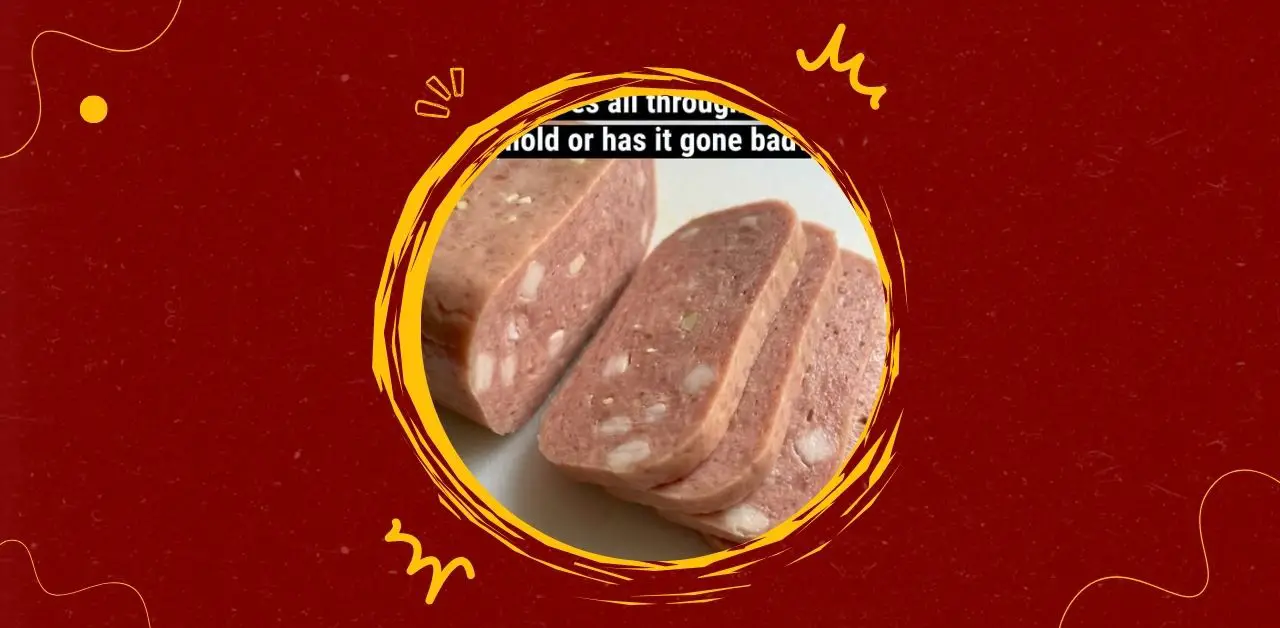
Spam, the iconic canned luncheon meat, has been a pantry staple for decades. Its long shelf life and convenience make it popular worldwide. However, sometimes when slicing into Spam, consumers notice hard white pieces embedded throughout the meat. This raises an important question: are these white specks a sign of mold or spoilage, or are they a normal part of the product?
Understanding Spam’s Composition
Spam is made primarily from pork, ham, salt, water, potato starch, sugar, and sodium nitrite. Like many processed meats, it contains natural fat and connective tissue. During cooking and canning, these components can solidify into small, firm white spots. These are not mold but rather crystallized fat or protein deposits.
What the White Pieces Usually Are
- Fat deposits: Pork naturally contains fat, and when cooled, fat can appear as white specks.
- Protein crystallization: In some cases, proteins in the meat coagulate and form small, firm bits.
- Safe inclusions: These are generally harmless and do not indicate spoilage.
Signs of Spoilage to Watch For
While white specks are usually normal, it’s important to recognize when Spam has gone bad:
- Unpleasant odor: Spoiled Spam will smell sour or rancid.
- Slimy texture: A sticky or slimy surface suggests bacterial growth.
- Discoloration: Green, black, or fuzzy patches indicate mold.
- Bulging can: A swollen or leaking can signals contamination and should never be consumed.
Mold vs. Fat Deposits
Mold typically appears as fuzzy growths in colors like green, black, or white, often spreading irregularly. In contrast, fat deposits are smooth, firm, and embedded evenly throughout the meat. If the white pieces are hard and uniform, they are almost certainly fat or protein, not mold.
Safety Considerations
- Check expiration date: Always verify the date on the can before consuming.
- Inspect carefully: If in doubt, examine smell, texture, and color.
- Err on the side of caution: If the Spam looks or smells off, discard it.
Conclusion
The hard white pieces found in Spam are most often crystallized fat or protein deposits, not mold. They are a natural part of the product and safe to eat. However, consumers should remain vigilant for other signs of spoilage, such as odor, slime, or discoloration. When handled properly and consumed before its expiration date, Spam remains a safe and convenient food option.