
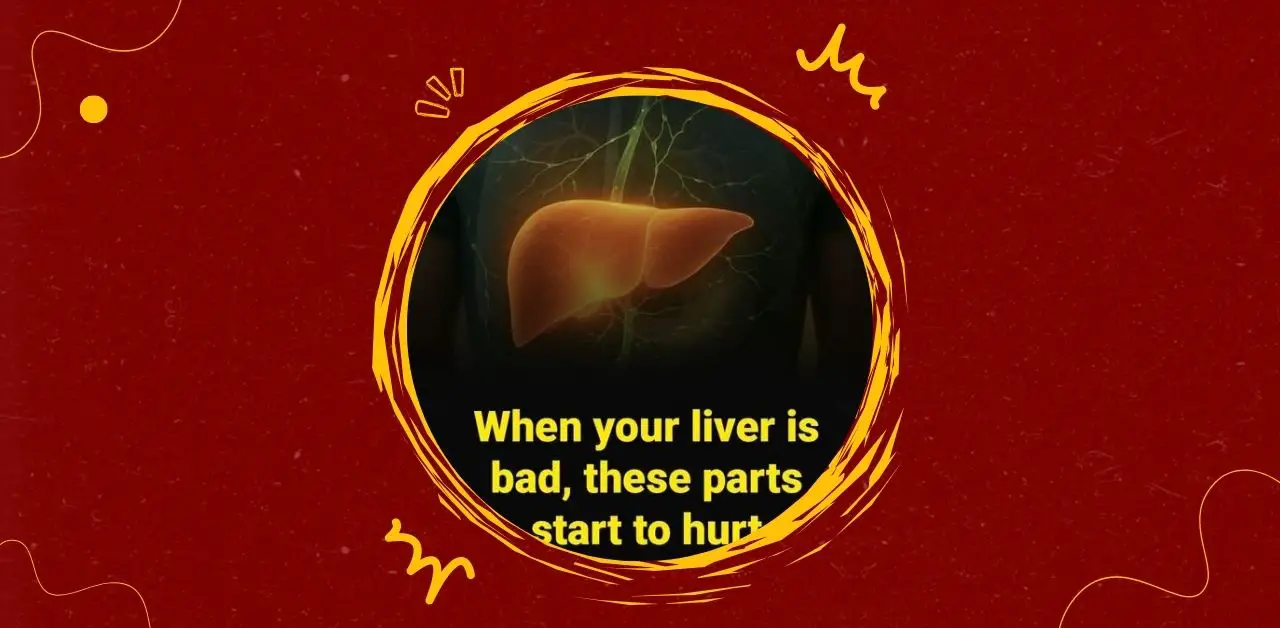
The liver is one of the body’s most vital organs, responsible for detoxification, metabolism, and nutrient storage. When it is functioning well, most people don’t notice it at all. However, when the liver becomes stressed or damaged, the effects can show up in different parts of the body. Understanding these signs helps you recognize when it may be time to seek medical advice and adopt healthier habits.
Why the Liver Matters
- Detoxification: Filters toxins from the blood.
- Metabolism: Breaks down fats, proteins, and carbohydrates.
- Nutrient Storage: Stores vitamins and minerals for later use.
- Hormonal Balance: Plays a role in regulating hormones and energy.
When the liver struggles, these processes are disrupted, leading to symptoms that may appear in areas far from the liver itself.
Common Areas That May Hurt or Show Symptoms
- Upper Right Abdomen
- Pain or discomfort under the ribs on the right side is one of the most direct signs of liver stress. This may feel like pressure, fullness, or a dull ache.
- Shoulders and Back
- Some people experience referred pain in the right shoulder or upper back. This happens because the liver shares nerve pathways with these areas.
- Digestive System
- Bloating, indigestion, or nausea can occur when the liver is not processing fats and toxins effectively.
- Joints and Muscles
- Toxin buildup may contribute to inflammation, leading to aches in joints or muscles.
- Headaches
- Poor liver function can sometimes be linked to recurring headaches, especially if toxins are not being filtered efficiently.
Other Signs of Liver Stress
- Fatigue: Feeling unusually tired or weak.
- Skin Changes: Yellowing of the skin (jaundice), itchiness, or dark patches.
- Swelling: Fluid retention in the legs or abdomen.
- Changes in Urine or Stool: Dark urine or pale stools may indicate liver issues.
Lifestyle Factors That Affect Liver Health
- Diet: Excessive fatty foods, processed sugars, or alcohol can strain the liver.
- Medications: Overuse of certain drugs may cause liver stress.
- Environment: Exposure to toxins or chemicals can impact liver function.
- Hydration and Rest: Lack of water and poor sleep reduce the liver’s ability to recover.
Supporting Liver Health
- Balanced Diet: Focus on fruits, vegetables, whole grains, and lean proteins.
- Hydration: Drink plenty of water to aid detoxification.
- Limit Alcohol: Reduce or avoid alcohol to prevent strain.
- Exercise: Regular movement supports circulation and metabolism.
- Mindful Habits: Avoid unnecessary medications and processed foods.
Emotional Impact
Experiencing pain or discomfort linked to liver health can cause worry. It’s important to remember that not all symptoms mean severe disease, but they do signal the need for attention. Approaching liver care with mindfulness—through diet, lifestyle, and professional guidance—helps reduce anxiety and encourages proactive health management.
Conclusion
When the liver is unhealthy, pain and discomfort may appear in the abdomen, shoulders, back, or even in the digestive system and joints. These signs are reminders of how interconnected the body is. By paying attention to these signals and supporting liver health through balanced habits, you can protect one of the body’s most essential organs.