
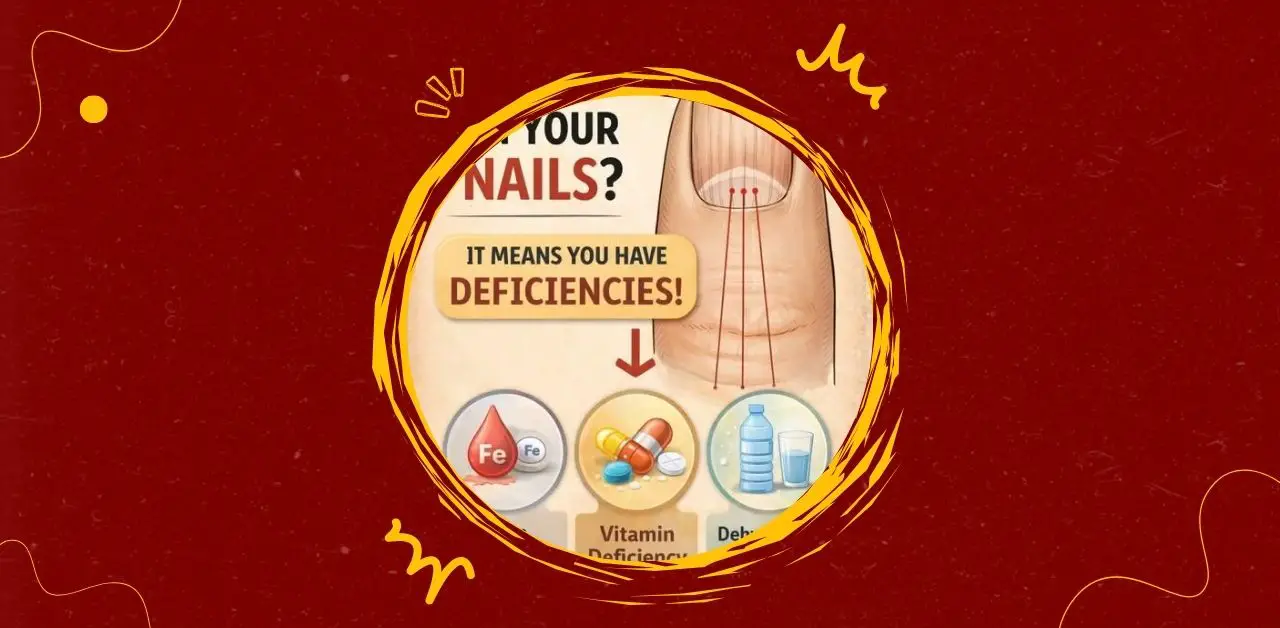
Vertical lines on fingernails (ridges) are usually harmless and often linked to aging, but they can sometimes signal nutritional deficiencies (iron, zinc, folic acid), thyroid disease, or other health conditions. Horizontal ridges (Beau’s lines) are more concerning and may indicate illness or trauma.
🧾 What Vertical Nail Ridges Mean
- Normal aging: Common in older adults; nails naturally develop ridges over time.
- Nutrient deficiencies:
- Iron deficiency → spoon-shaped nails (koilonychia) and vertical ridges.
- Zinc deficiency → Beau’s lines and white spots.
- Folic acid/protein deficiency → brittle, ridged nails.
- Thyroid disease: Hypothyroidism can cause brittle nails with ridges.
- Skin conditions: Eczema, psoriasis, or lichen planus may affect nail growth.
- Circulatory issues: Poor blood flow (anemia, vascular disease) can alter nail texture.
⚠️ Horizontal Ridges (Beau’s Lines)
- Caused by interruptions in nail growth due to illness, trauma, or chemotherapy.
- May appear after severe infections, high fever, or systemic disease.
- Repeated Beau’s lines suggest ongoing health problems.
🩺 When to See a Doctor
- Sudden changes in nail texture or color.
- Repeated ridges appearing without clear cause.
- Associated symptoms like fatigue, hair loss, or brittle nails.
- If ridges are accompanied by pain, swelling, or discoloration.
🧴 Home & Preventive Care
- Moisturize nails and cuticles daily to reduce dryness.
- Balanced diet with iron-rich foods (spinach, lentils, red meat), zinc (nuts, seeds), and folate (leafy greens).
- Avoid aggressive manicures or frequent use of acrylic/gel nails.
- Protect hands with gloves when using detergents or chemicals.
- Biotin supplements may help nail strength (consult a doctor first).
📌 Key Takeaway
Vertical ridges on nails are often a normal sign of aging, but they can also point to nutritional deficiencies or underlying health conditions. Horizontal ridges are more serious and should be checked by a healthcare provider. Improving diet, hydration, and nail care can help, but persistent or worsening changes warrant medical evaluation.