
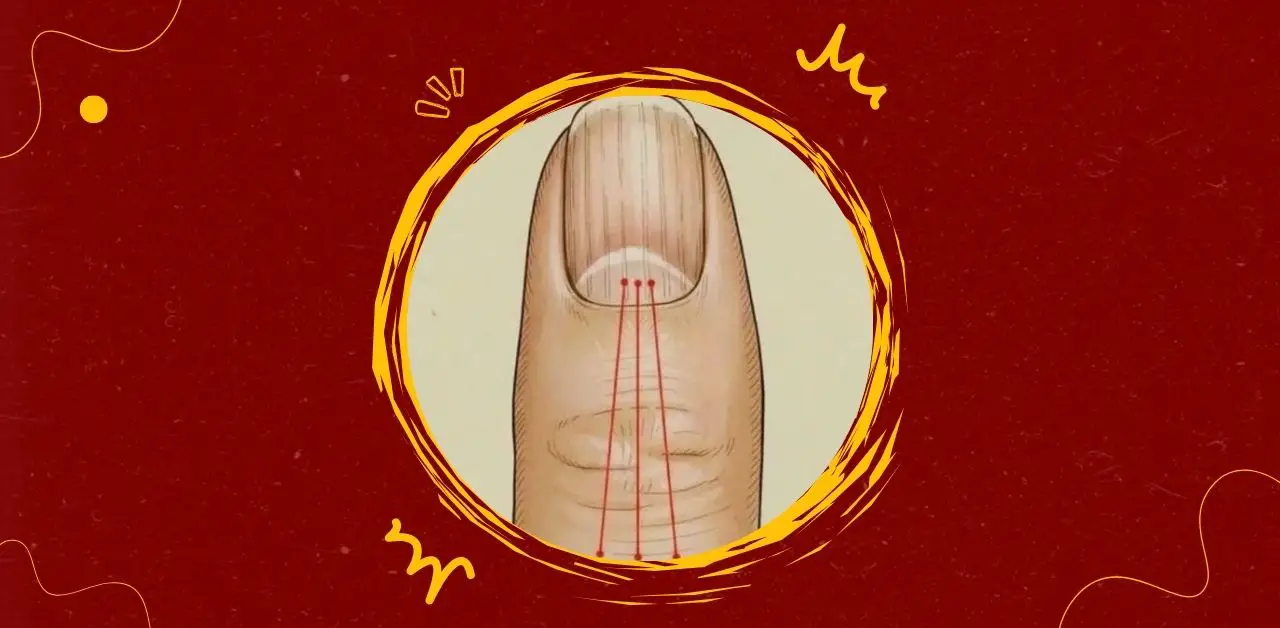
The human nail is more than just a protective covering; it can serve as a subtle indicator of overall health. Vertical lines or ridges running from the base of the nail (lunula) to the tip are common and often harmless. However, their presence, prominence, or sudden changes can sometimes reflect underlying conditions or lifestyle factors. Understanding what these lines mean helps distinguish between normal variations and signals that may warrant medical attention.
What Are Vertical Nail Ridges?
Vertical ridges are raised lines that run lengthwise along the nail. They are formed by changes in nail growth and keratin structure. These ridges can be faint and barely noticeable or more pronounced, depending on age, genetics, and health.
Common Causes
1. Aging
As we grow older, nail cells produce keratin less evenly, leading to ridges. This is a natural part of aging and usually not a cause for concern.
2. Genetics
Some people naturally develop ridges due to inherited nail structure. If family members have similar nail features, genetics may be the explanation.
3. Nutritional Deficiencies
Lack of certain nutrients, especially iron, zinc, or vitamin B12, can affect nail growth. Deficiencies may cause ridges along with brittle or thinning nails.
4. Dehydration of the Nail Plate
Insufficient moisture in the nail bed can lead to uneven growth, resulting in ridges. This is common in individuals with dry skin or those frequently exposed to water and detergents.
5. Medical Conditions
- Anemia: Iron deficiency can cause brittle nails and ridges.
- Thyroid Disorders: Hormonal imbalances may affect nail texture.
- Arthritis: Some forms of arthritis are linked to nail changes.
- Skin Conditions: Eczema or psoriasis can alter nail growth.
6. Trauma or Injury
Injury to the nail matrix (the tissue under the cuticle where nails grow) can cause ridges as the nail heals.
When to Be Concerned
Vertical ridges are usually harmless, but medical attention may be needed if:
- Ridges appear suddenly and are accompanied by changes in nail color.
- Nails become brittle, split, or peel excessively.
- There is pain, swelling, or inflammation around the nail.
- Horizontal ridges (Beau’s lines) appear, which may signal systemic illness or severe stress.
Care and Prevention
- Balanced Diet: Ensure adequate intake of iron, zinc, biotin, and protein.
- Hydration: Drink enough water and moisturize nails regularly.
- Gentle Nail Care: Avoid harsh chemicals, excessive filing, or biting nails.
- Protective Measures: Wear gloves when cleaning or working with water.
- Medical Checkups: If ridges appear with other symptoms, consult a healthcare professional.
Conclusion
Vertical lines on the thumb nail are often a natural part of aging or genetics, but they can also reflect nutritional deficiencies or underlying health conditions. While most cases are harmless, sudden or severe changes should not be ignored. Paying attention to nail health is a simple yet effective way to monitor overall well-being.