
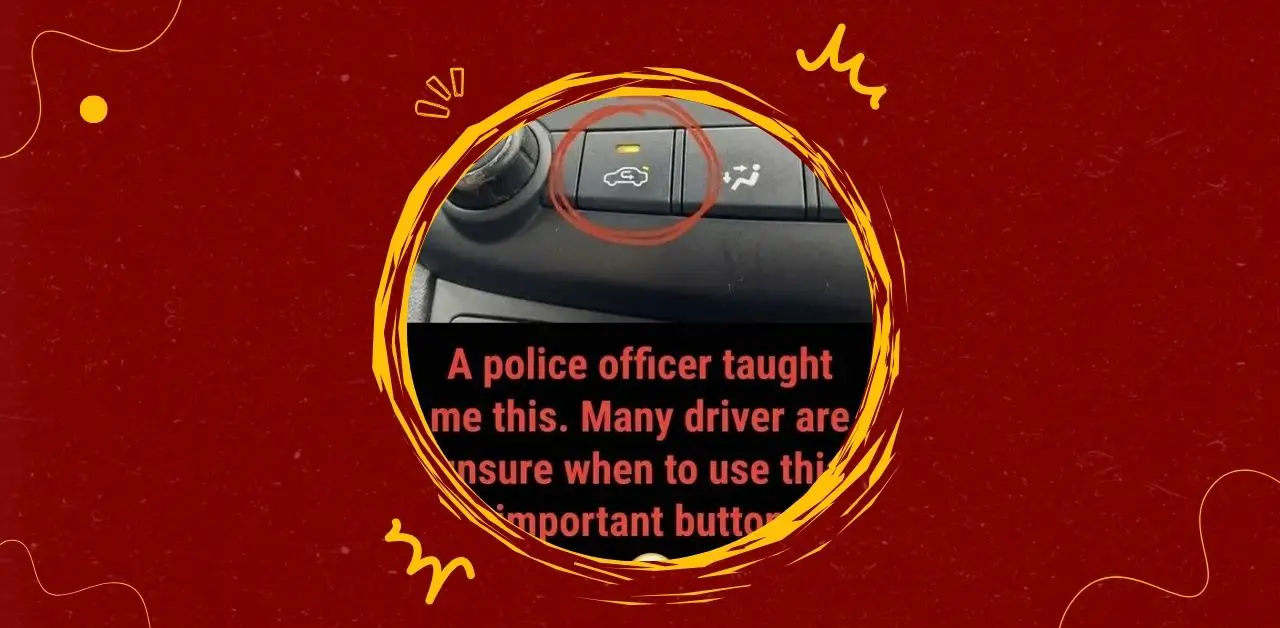
The air recirculation button in your car’s climate control system is often misunderstood, but it plays a crucial role in comfort, safety, and efficiency. Knowing when to use it can improve air quality inside your vehicle and even protect your health.
🚗 What the Recirculation Button Does
- Symbol: A car icon with a circular arrow inside.
- Function: Controls whether the air conditioning system pulls in fresh outside air or recirculates the air already inside the cabin.
- Modes:
- Recirculation ON → Air inside the car is cooled/heated repeatedly.
- Recirculation OFF → Fresh air from outside is drawn in.
✅ When to Use Recirculation Mode
- Hot weather: Keeps cool air inside, making the AC more efficient.
- Traffic jams or tunnels: Prevents polluted air, fumes, or smoke from entering.
- Dusty or smoky environments: Protects passengers from inhaling irritants.
- Quick cooling: Helps the AC cool the cabin faster.
⚠️ When NOT to Use It
- Cold or rainy weather: Can cause windows to fog up since moisture isn’t vented out.
- Long drives: Without fresh air, oxygen levels drop and CO₂ builds up, leading to drowsiness.
- Crowded car: More passengers = more moisture and CO₂ → foggy windows and stale air.
🧾 Practical Tips
- Use recirculation mode in short bursts for cooling or avoiding pollution.
- Switch to fresh air mode regularly to maintain oxygen levels and prevent fogging.
- Combine with defrost setting when windows mist up.
- Keep your cabin air filter clean for maximum benefit.
📌 Key Takeaway
The recirculation button isn’t just about comfort—it’s about air quality and safety. Use it wisely: switch it on in traffic or extreme heat, but don’t keep it on all the time. Alternating between recirculation and fresh air ensures a healthier, more efficient ride.