
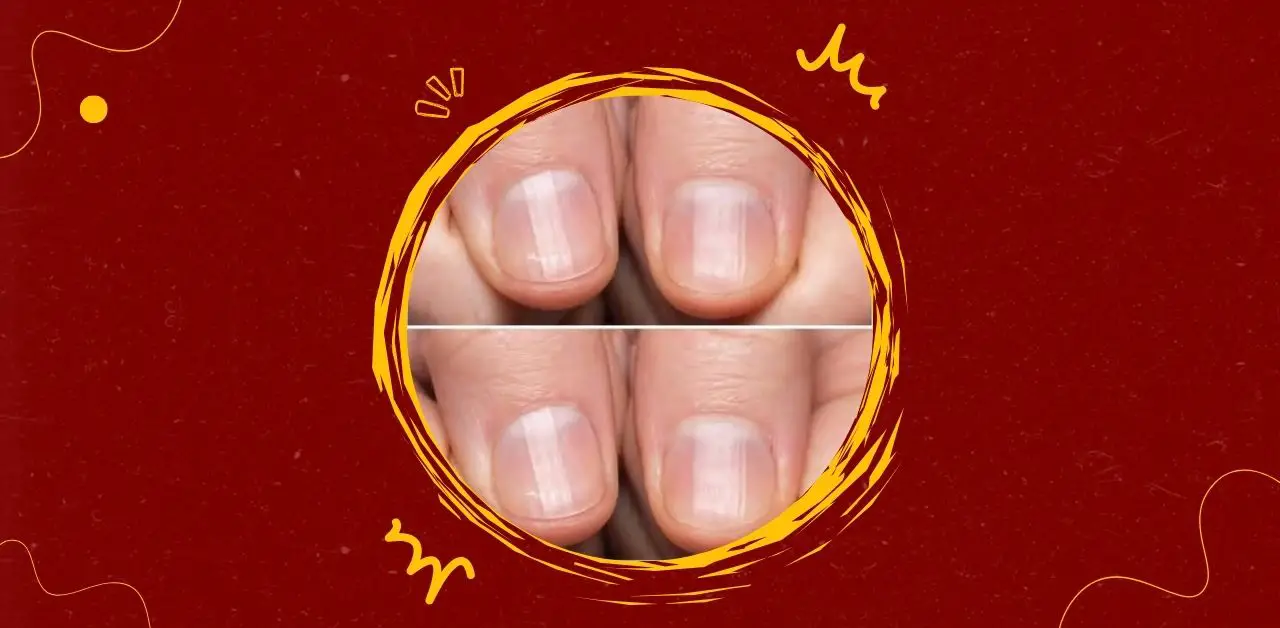
Our nails are more than just a cosmetic feature—they can serve as windows into our overall health. When nails appear scratched, ridged, or damaged, it may be more than a surface-level issue. These changes can sometimes signal nutritional deficiencies, underlying medical conditions, or lifestyle habits that need attention. Understanding what your nails are telling you can help you take proactive steps toward better health.
The Structure of Healthy Nails
Healthy nails are smooth, slightly curved, and free of spots or deep lines. They grow from the nail matrix, a part of the skin beneath the cuticle. Any disruption in this growth process—whether from internal health issues or external damage—can show up as scratches, ridges, or irregularities on the nail surface.
Possible Causes of Scratched Nails
1. Nutritional Deficiencies
- Iron deficiency (anemia): Can cause brittle nails or vertical ridges.
- Vitamin B12 deficiency: May lead to dark streaks or uneven nail texture.
- Biotin deficiency: Often linked to weak, splitting nails.
2. Dehydration and Dryness
Lack of moisture can make nails more prone to scratching and peeling. This is common in colder climates or with frequent exposure to water and harsh chemicals.
3. Underlying Health Conditions
- Thyroid disorders: Can cause brittle, ridged nails.
- Psoriasis or eczema: May lead to pitting or scratching on the nail surface.
- Kidney or liver issues: Sometimes reflected in nail discoloration or texture changes.
4. External Factors
- Frequent use of nail polish removers or harsh chemicals.
- Excessive handwashing without moisturizing.
- Physical trauma, such as biting or picking at nails.
When to Be Concerned
Occasional scratches or ridges are normal and often harmless. However, persistent changes may warrant medical attention, especially if accompanied by:
- Fatigue or weakness (possible anemia).
- Skin changes or rashes (possible autoimmune condition).
- Sudden discoloration or thickening of nails.
Caring for Your Nails
- Balanced diet: Include iron-rich foods (spinach, lentils), protein, and vitamins.
- Hydration: Drink plenty of water and use hand creams to lock in moisture.
- Gentle care: Avoid biting nails or using them as tools.
- Protective habits: Wear gloves when cleaning or using chemicals.
- Regular check-ups: If nail changes persist, consult a healthcare professional.
Conclusion
Scratched nails may seem like a minor cosmetic issue, but they can sometimes reflect deeper health concerns. By paying attention to nail changes, maintaining good nutrition, and practicing proper nail care, you can protect both your appearance and your overall well-being. Nails are small, but they carry big messages—listening to them is a simple yet powerful step toward better health.