
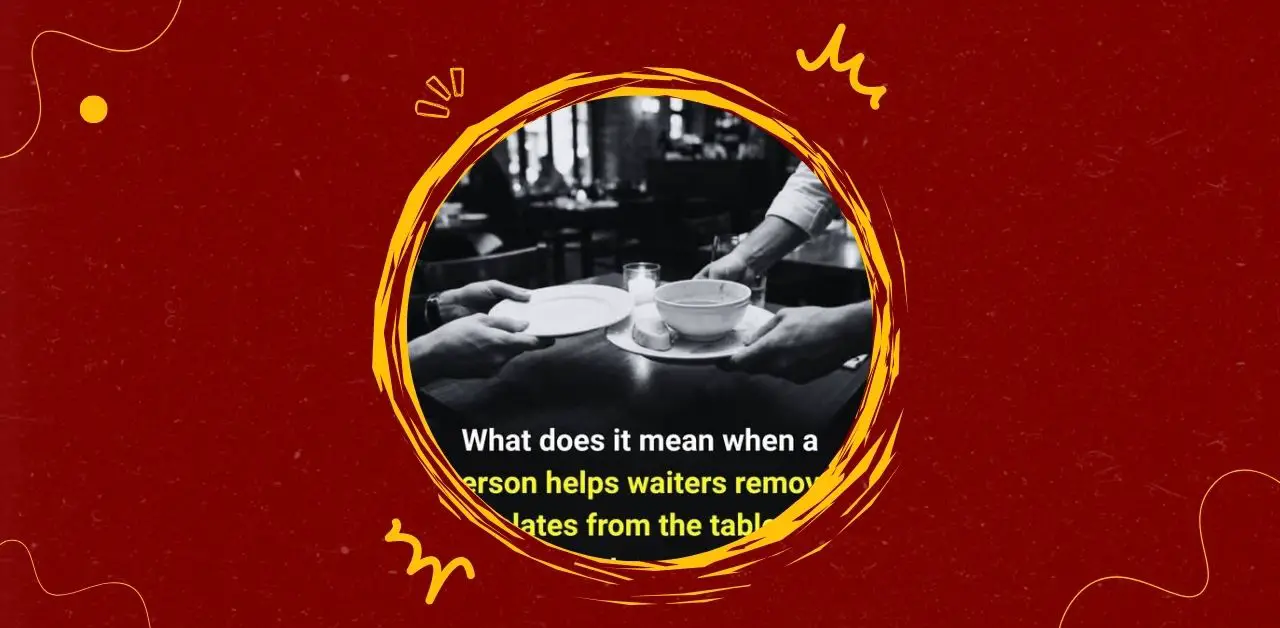
Small gestures often speak volumes about a person’s character. One such gesture is when a diner helps a waiter clear plates from the table. While it may seem like a simple act of courtesy, psychology suggests that these micro-behaviors reveal deeper traits about empathy, humility, and social awareness. Understanding the meaning behind such actions allows us to appreciate how everyday choices reflect personality and values.
Empathy and Consideration
Helping a waiter is often a sign of empathy. It shows that the person recognizes the effort involved in serving and wants to ease the burden, even in a small way. This awareness of another’s workload reflects kindness and a willingness to contribute to someone else’s comfort.
Humility and Respect
Psychologists note that people who engage in such gestures often demonstrate humility. Instead of seeing themselves as above service roles, they acknowledge equality and respect. This action suggests that the person values people for who they are, not for the roles they play.
Cooperation and Team Spirit
Clearing plates alongside a waiter reflects a cooperative mindset. It signals that the person sees dining as a shared experience rather than a one-sided service. This trait often translates into broader teamwork skills, showing that the individual is comfortable contributing to group harmony.
Social Awareness
Noticing when plates need to be cleared and acting on it demonstrates attentiveness to the environment. People who engage in such behaviors are often observant, responsive to social cues, and proactive in maintaining order. This awareness can extend to other areas of life, such as relationships and professional settings.
Generosity of Spirit
Helping without expectation of recognition is a hallmark of generosity. Such individuals often extend kindness in other areas of life, offering support and assistance simply because it feels right. This quiet generosity builds trust and strengthens social bonds.
Why It Matters
Psychologists emphasize that small actions reveal more about character than grand gestures. How someone treats those in service roles is a strong indicator of their values. Helping a waiter clear plates may seem minor, but it reflects empathy, humility, and respect—qualities that foster stronger connections in both personal and professional life.
Conclusion
When someone helps a waiter clear the table, psychology interprets it as more than just tidiness. It is a reflection of empathy, humility, cooperation, and social awareness. These small acts of kindness reveal a person’s deeper values and highlight the importance of respect in everyday interactions. In essence, such gestures remind us that character is often revealed not in words, but in the quiet actions that make others feel seen and valued.