
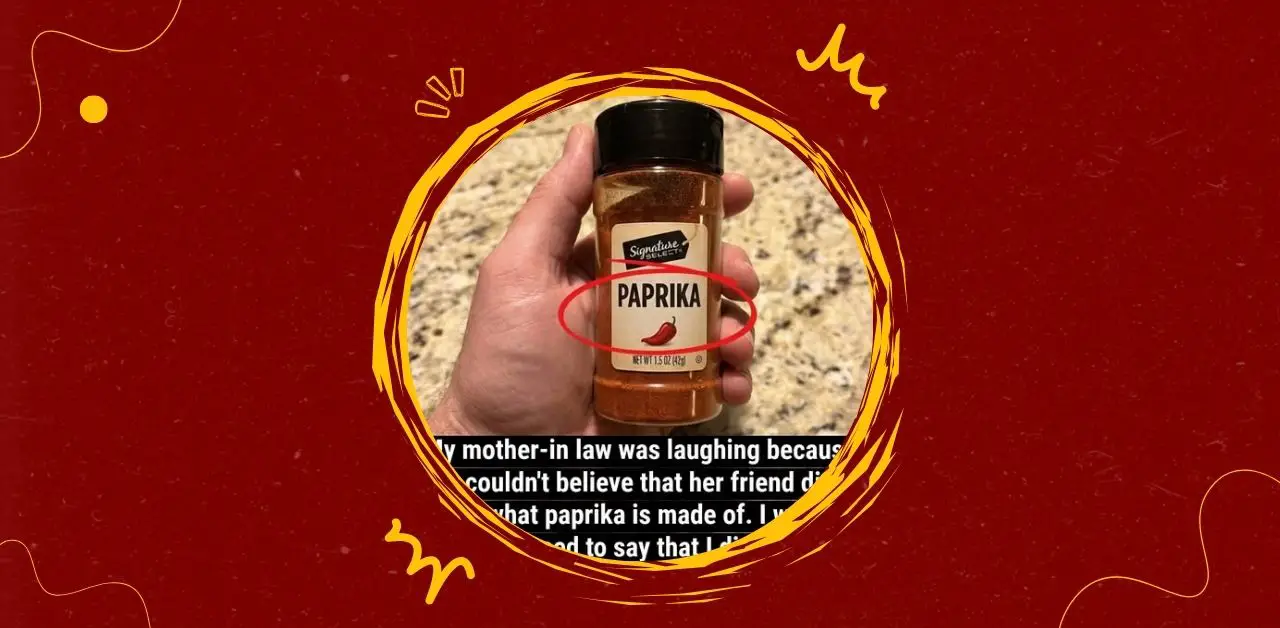
Paprika is made from dried and ground red peppers (Capsicum annuum). These peppers are usually milder than chili peppers and are chosen for their vibrant color and sweet flavor rather than heat. The spice has a long history, originating in the Americas and introduced to Europe in the 16th century.
🌶 What Paprika Is Made Of
- Base Ingredient: Dried pods of Capsicum annuum (a type of red pepper).
- Varieties:
- Sweet Paprika: Made mostly from the fruit of the pepper with seeds removed.
- Hot Paprika: Includes some seeds and stalks, giving more pungency.
- Smoked Paprika: Peppers are smoked before grinding, adding depth.
- Color & Flavor: Ranges from bright red to deep crimson, with flavors from mild and sweet to smoky and hot.
📜 History & Origins
- Native Roots: Capsicum peppers originated in Central and South America.
- Spread to Europe: Brought by Spanish and Portuguese traders in the 1500s.
- Hungarian Paprika: Hungary developed its own prized varieties, with “rose paprika” considered among the finest for its sweet aroma.
🍲 Culinary Uses
- Seasoning: Adds color and mild flavor to soups, stews, and sauces.
- Signature Dishes:
- Hungarian goulash
- Spanish chorizo (often colored with paprika oleoresin)
- Deviled eggs and potato salads for color and flavor
- Coloring Agent: Paprika extract is used in processed foods to give a red hue.
🧂 Nutritional Notes
- Rich in antioxidants like carotenoids.
- Contains vitamins A, E, and B6.
- Provides a small amount of protein and fiber.
- Calorie content: about 282 kcal per 100 g (though typical use is just a teaspoon or two).
⚠️ Things to Keep in Mind
- Paprika is generally mild, but hot varieties can add spice.
- Store in a cool, dark place to preserve color and flavor.
- Quality varies—freshly ground paprika from specialty shops often has more aroma than mass-produced versions.
In summary: Paprika is simply ground red peppers, chosen for their color and flavor rather than heat. It’s a versatile spice that adds vibrancy to dishes worldwide, with Hungary and Spain being especially famous for their paprika traditions.