
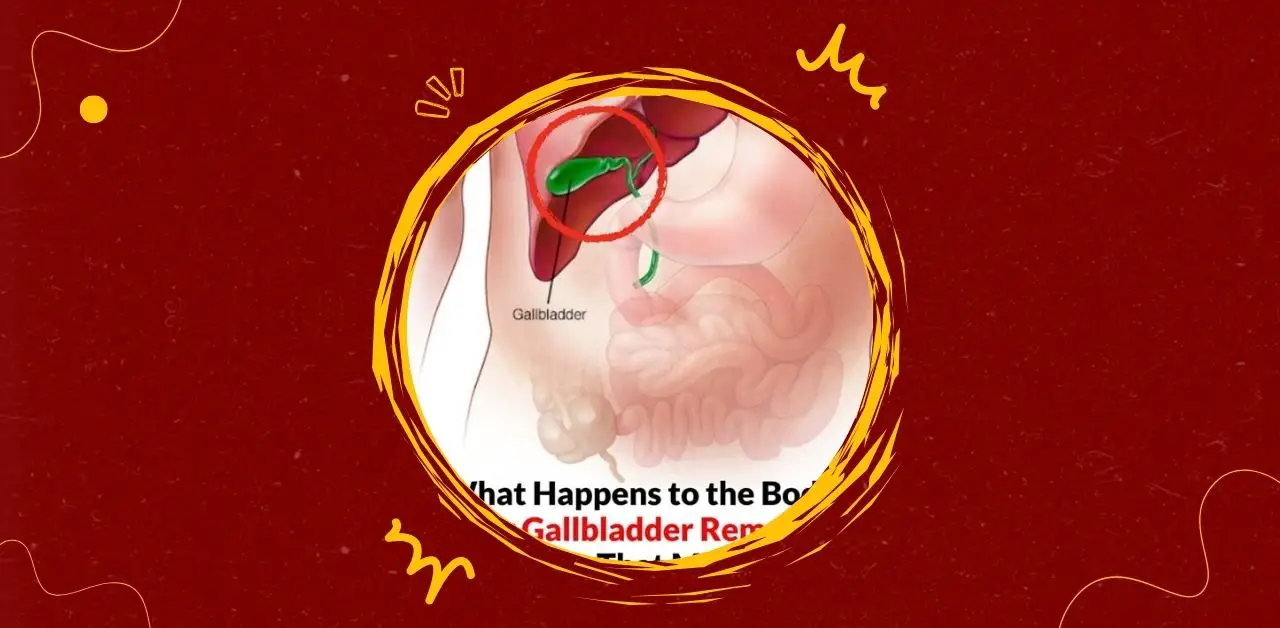
Gallbladder removal, also known as cholecystectomy, is a common surgical procedure performed when gallstones or gallbladder disease cause severe pain or complications. While many people live healthy lives without a gallbladder, the surgery does bring changes to digestion and can increase the risk of certain conditions. Understanding these effects helps patients prepare for life after surgery and make informed choices about diet and lifestyle.
The Role of the Gallbladder
The gallbladder stores bile, a digestive fluid produced by the liver. Bile helps break down fats in the small intestine. Without a gallbladder, bile flows directly from the liver into the intestine, which can alter digestion and sometimes cause discomfort.
Immediate Changes After Surgery
- Digestive Adjustment: Some patients experience diarrhea or bloating as the body adapts to the continuous flow of bile.
- Fat Absorption: Since bile is no longer stored and released in concentrated amounts, digesting fatty meals can be more difficult.
- Dietary Sensitivity: Spicy, greasy, or high-fat foods may trigger discomfort in the weeks following surgery.
Potential Long-Term Effects
Experts note that while most people recover well, gallbladder removal can increase the risk of certain conditions:
- Postcholecystectomy Syndrome (PCS): Some patients experience persistent abdominal pain, indigestion, or nausea even after surgery. This is often due to bile flow changes or residual stones in the bile ducts.
- Digestive Disorders: Continuous bile flow may irritate the intestines, leading to chronic diarrhea or irritable bowel-like symptoms in some individuals.
- Increased Risk of Colon and Liver Issues: Research suggests that altered bile flow may contribute to changes in gut bacteria and increase the risk of colon polyps or liver strain over time.
How to Support Your Body After Gallbladder Removal
- Adopt a Low-Fat Diet: Focus on lean proteins, vegetables, and whole grains to ease digestion.
- Eat Smaller Meals: Frequent, smaller meals reduce the burden on the digestive system.
- Stay Hydrated: Water helps flush bile and supports overall digestion.
- Include Fiber Gradually: Fiber supports bowel health but should be introduced slowly to avoid discomfort.
- Monitor Symptoms: Persistent pain, diarrhea, or indigestion should be discussed with a healthcare provider.
Final Thought
Gallbladder removal is often necessary to relieve pain and prevent complications, but it does change how the body digests food. While most people adapt well, some may face long-term digestive challenges or increased risks of certain conditions. By making mindful dietary choices and monitoring health closely, patients can live comfortably and maintain wellness after surgery.