
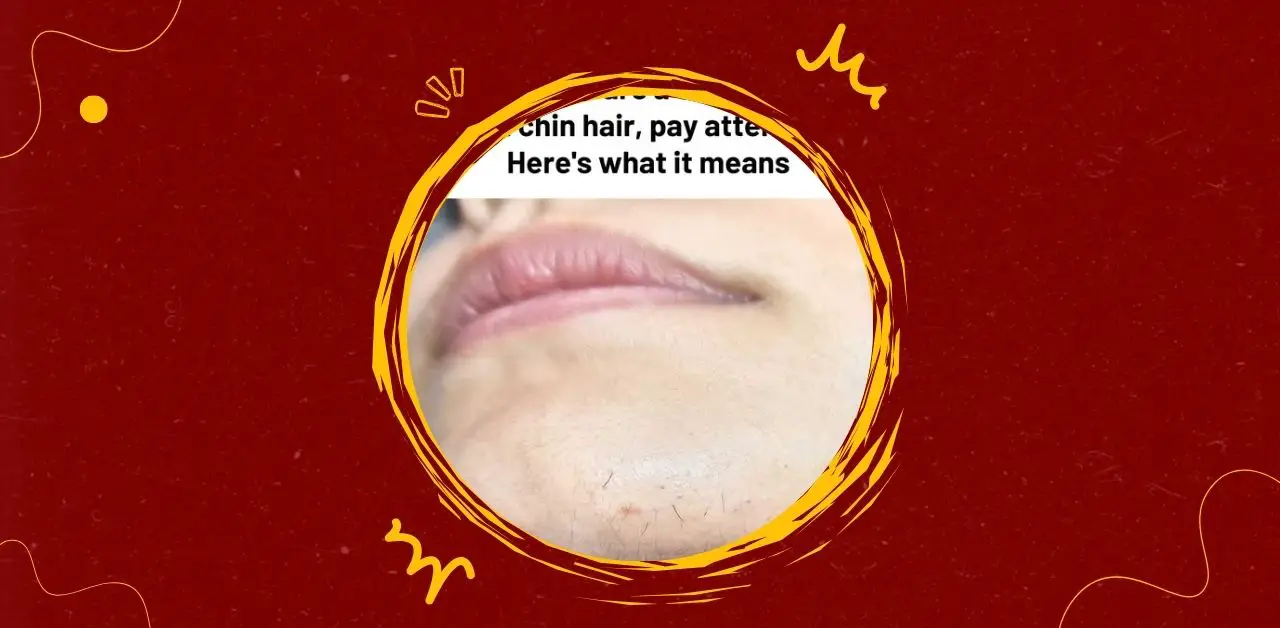
Noticing chin hair growth can be surprising for many women, especially if it appears suddenly or becomes more pronounced with age. While it is often harmless, chin hair may sometimes signal underlying changes in the body. Understanding the possible causes helps distinguish between natural variations and signs that may require medical attention.
Common Causes of Chin Hair in Women
- Hormonal Changes
- The most frequent reason for chin hair is a shift in hormone levels, particularly an increase in androgens (male hormones present in both men and women).
- These changes may occur naturally with age, especially during menopause, when estrogen levels decline.
- Polycystic Ovary Syndrome (PCOS)
- PCOS is a condition that affects hormone balance and can lead to excess hair growth (hirsutism), irregular periods, and acne.
- Chin hair may be one of the visible signs of this condition.
- Genetics
- Some women are simply more predisposed to facial hair due to family traits.
- If close relatives also experience chin hair, it may be a natural genetic variation.
- Age-Related Changes
- As women age, especially after menopause, hair growth patterns often shift.
- Thinner scalp hair and thicker facial hair can occur as part of the natural aging process.
- Medical Conditions
- In rare cases, chin hair may be linked to conditions affecting the adrenal glands or thyroid, which influence hormone production.
Emotional and Social Impact
For many women, chin hair can feel embarrassing or affect self-confidence. It’s important to remember that this is a common occurrence and not a reflection of personal hygiene or health habits. Approaching it with understanding and self-care helps reduce stress and stigma.
Management Options
- Temporary Removal: Tweezing, waxing, or threading can remove chin hair quickly.
- Long-Term Solutions: Laser hair removal or electrolysis may provide lasting results.
- Lifestyle Support: Maintaining a balanced diet and managing stress can help regulate hormones naturally.
- Medical Consultation: If chin hair appears suddenly, grows rapidly, or is accompanied by other symptoms (such as irregular periods or weight changes), consulting a healthcare professional is recommended.
Conclusion
Chin hair in women is usually a natural result of hormonal changes, genetics, or aging. While it can sometimes indicate conditions like PCOS or thyroid imbalance, in most cases it is harmless. Recognizing the causes helps women approach it with confidence and care. Whether managed cosmetically or medically, chin hair is simply another reminder of the body’s complexity and individuality.