
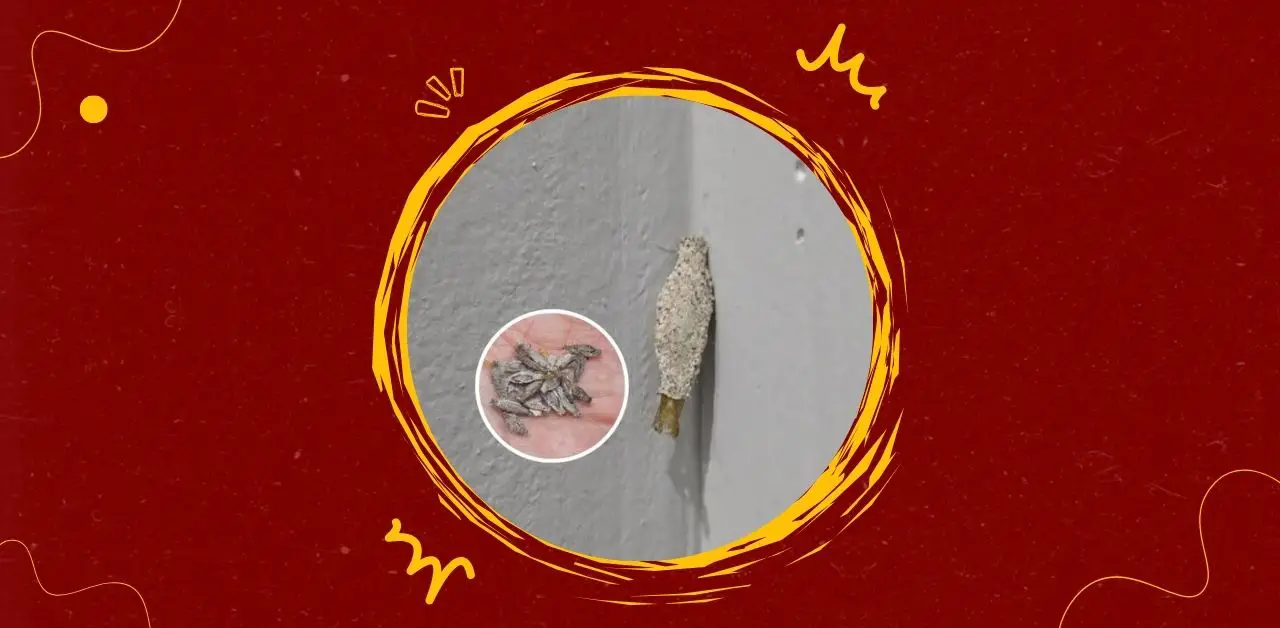
Bagworms are the larval stage of certain moths. Outdoors, they are known for damaging trees and shrubs by feeding on foliage. Indoors, particularly in humid climates, they are called plaster bagworms. They construct elongated cases that they carry around as protection. These cases are often mistaken for bits of lint or dirt, but inside is a living larva that can move and feed.
Why Do They Appear Indoors?
Plaster bagworms thrive in warm, humid environments. They are often found in homes where moisture levels are high, such as bathrooms, kitchens, or areas with poor ventilation. They feed on organic matter like spider webs, hair, lint, and even wool fabrics. Their presence on walls and ceilings is usually a sign that the environment is favorable for their growth. BC Pest Control
Risks and Concerns
- Structural damage: While they don’t bore deeply into walls, they can leave behind marks and weaken plaster surfaces if infestations are heavy. ecopestclear.com
- Fabric damage: Bagworms may feed on natural fibers, causing damage to clothing, carpets, or curtains.
- Aesthetic issues: Their cases cling to walls and ceilings, leaving unsightly spots that can make a home look neglected.
- Rapid multiplication: If not addressed, they can spread quickly, making removal more difficult.
How to Identify Them
- Small, elongated cases resembling lint or debris.
- Cases attached firmly to walls, ceilings, or furniture.
- Movement: If observed closely, the larva may protrude from the case and move slowly.
- Clusters: Infestations often appear as multiple cases grouped in corners or along edges. perserbid.com
Prevention and Control
- Regular inspection: Check walls, ceilings, and corners frequently, especially in humid areas.
- Reduce humidity: Use dehumidifiers or improve ventilation to make the environment less hospitable.
- Clean thoroughly: Vacuum and dust regularly to remove lint, hair, and spider webs—their primary food sources.
- Remove cases manually: Bagworm cases can be scraped or vacuumed off surfaces. Dispose of them immediately to prevent re-infestation.
- Seal entry points: Ensure windows and doors are properly sealed to reduce the chance of moths entering and laying eggs.
- Professional pest control: For severe infestations, professional treatment may be necessary to eliminate them completely.
Final Thoughts
Bagworms may seem harmless at first glance, but their ability to multiply and cling to walls makes them a nuisance in households. Regularly checking your walls and ceilings is essential to catch them early. By maintaining cleanliness, reducing humidity, and removing their cases promptly, you can prevent them from spreading. If left unchecked, they can damage fabrics and leave unsightly marks on plaster surfaces.
In short, vigilance is key. These pests thrive in hidden corners, so a proactive approach—regular inspections, thorough cleaning, and environmental control—will keep your home free of bagworms and preserve both its appearance and comfort.